
Oregon
Oregon Apartment Loans
Select Commercial arranges Oregon apartment loans from $1,500,000, up to 80% LTV, with no upfront fees. Our lowest apartment rate today is 6.64% as of October 11, 2026. We compare Fannie Mae, Freddie Mac, FHA, bank and bridge programs to fit your property. On larger balances, see multifamily loans. See current rates on every loan type we offer.
Get a Free Quote2026 Oregon Apartment Loan Market
Oregon was among the first states in the country to cap residential rent increases statewide, and that cap is the first thing a lender establishes about an Oregon apartment building. It is set out in full below, along with the part that catches people out, which is the exemption rather than the percentage.
Portland rents are falling and the rest of the state is not. Portland average rent was about $1,708 as of August 2026, down 1.55% over the year. Eugene ran $1,875, up 1.29%, which means the university town is now more expensive than the state’s largest city. Both figures cover professionally managed buildings of fifty units and up. That inversion is worth pausing on, because it tells you the softness is specific to Portland rather than general to Oregon.
What that means for underwriting. With a statutory ceiling on rent growth and a metro where rents are actually declining, a Portland file is sized on demonstrated in-place income with very little credit given to any forward assumption. Expense control and the accuracy of your rent roll do the work. Outside Portland, where rents are still growing modestly, the conversation is easier, though the cap applies just the same.
Across Oregon we arrange apartment building loans from $1,500,000 through agency, bank, FHA and bridge programs. Rate and leverage follow the rent roll and the trailing twelve months of operating income, not your personal income.
Oregon Apartment Loan Rates
Rates updated as of October 11, 2026
| Loan Type | Rate* | Max LTV |
|---|---|---|
| 5 Year Fixed | 6.66% | Up to 80% |
| 7 Year Fixed | 6.75% | Up to 80% |
| 10 Year Fixed | 6.64% | Up to 80% |
- Cash-out refinances are acceptable
- Interest-only and non-recourse options
- Minimum 1.25x debt-service-coverage ratio
See Oregon Multifamily Rates Over $6 Million, Starting at 6.44%
Rates last updated October 11, 2026. Rates and maximum LTV shown represent our best-case pricing scenarios. Actual rates, LTV, and loan terms are subject to underwriting approval and may vary.
Oregon Markets We Finance
Portland holds most of the state’s apartment stock, but it is currently the weakest Oregon market rather than the strongest, which is not the usual arrangement. An Oregon apartment mortgage is structured to the metro, under a rent cap that applies everywhere.
Portland
Average rent of about $1,708 as of August 2026, down 1.55% over the year. The metro carries the widest range of product in the state, from close-in older stock through mid-rise conversions to suburban garden communities across Washington and Clackamas counties. With rents declining and a statutory ceiling on increases, a Portland apartment complex is underwritten firmly on in-place income; forward assumptions carry little weight. Agency, bank and credit union capital all compete, and for a stabilized building with a clean rent roll Portland apartment loan rates remain competitive despite the softness.
Portland apartment loans · Portland commercial
Eugene and the southern Willamette Valley
Now more expensive than Portland, at about $1,875 and up 1.29% over the year. The university, the hospital systems and a constrained supply picture explain most of it: Eugene simply has not built at Portland’s pace, and its demand base does not move with the general economy. Student-adjacent product is underwritten differently from conventional apartments, with attention to the academic calendar, guaranties and summer vacancy. Corvallis operates on a similar footing around its own university.
Salem and the mid-valley
State government, healthcare and food processing anchor Salem, giving it a steadier and less cyclical demand base than Portland at a materially lower basis per unit. Very little new construction competes with existing buildings. Regional banks, credit unions and the agency small-balance programs do most of the lending here, and a well-run building often clears more leverage than a comparable Portland asset.
Bend, Medford and eastern Oregon
Central and southern Oregon run on tourism, healthcare, retirement in-migration and, in Bend’s case, a decade of rapid population growth. Bend in particular has land and water constraints on development that keep existing buildings full. Eastern Oregon is agricultural and sparsely populated, and a lender will look at several years of operating history rather than one trailing twelve. The rent cap applies throughout.
Rent figures above are average asking rents across professionally managed buildings of fifty units and up as of August 2026. Where we do not yet have a dedicated apartment page for an Oregon city, the link goes to our commercial mortgage page for that market.
Compare Oregon Apartment Loan Programs
As a broker we compare every program for your best-fit Oregon apartment financing:
| Program | Typical rate* | Max leverage | Best for |
|---|---|---|---|
| Fannie Mae Small Loan | 6.84% | Up to 80% | Non-recourse, fixed to 30 yrs |
| Freddie Mac SBL | 6.66% | Up to 80% | $2M to $10M small balance |
| FHA / HUD | 6.70% | Up to 85% | Highest leverage, longest term |
| Bank / portfolio | 6.50% | Up to 75% | Flexible, value-add |
| Bridge | 9.00% | Up to 80% LTC | Reposition, lease-up |
Most apartment lenders look for a debt-service-coverage ratio (DSCR) of at least 1.25x.
Rates last updated October 11, 2026. Rates and maximum LTV shown represent our best-case pricing scenarios. Actual rates, LTV, and loan terms are subject to underwriting approval and may vary.
Oregon’s Statewide Rent Cap and What It Does to Your Loan
Oregon caps how much rent may be increased during a tenancy, statewide, and the state recalculates and publishes the maximum every year. It is the defining regulatory feature of owning apartments here.
How the cap works. The maximum annual increase is set by formula rather than fixed in the statute, expressed as the lesser of a hard ceiling or a base percentage plus the change in the consumer price index. The Oregon Department of Administrative Services calculates the figure each year and publishes it by the end of September for the following calendar year. Because it moves annually, confirm the current published figure before you set any increase rather than relying on a number you were quoted previously. The applicable maximum also differs between general residential tenancies and manufactured dwelling facilities and marinas, which are governed by a separate provision, so make sure you are reading the right one for your property type.
The exemption is what most people get wrong. Newer construction is exempt from the cap for a defined period following the certificate of occupancy. Whether a specific building is inside or outside that window changes the income a lender will project more than any percentage does, and it is a question of the certificate date rather than the building’s apparent age. Confirm your building’s status with counsel before you model rent growth, and if you are buying, make the certificate of occupancy date a diligence item.
What it means for proceeds. A statutory ceiling means an underwriter will not credit a rent growth assumption the law does not permit. What still gets credited is the spread between in-place and market rents on units that turn, your expense control, and the accuracy of your rent roll. In Portland, where rents are also falling, those three things are effectively the entire file. Owners who bring a current rent roll, twelve months of operating statements and clear evidence of the building’s exemption status consistently get better terms than owners who leave the lender to work it out.
Worth noting for anyone comparing states: Oregon and Washington both operate statutory caps, California caps under its own Tenant Protection Act, and New Jersey leaves it to individual municipalities. Indiana, Tennessee, Kansas, North Carolina and Arizona preempt local rent regulation entirely. Where a building sits on that spectrum is one of the largest single influences on how its income gets underwritten.
Financing Options in Oregon
Oregon apartment, multifamily and commercial properties each have dedicated financing. Pick the page that matches your property:
Financing more of the state? See Oregon commercial mortgages.
Financing in another state? Explore our apartment loans, multifamily loans and commercial mortgages nationwide.
Refinancing an Oregon Apartment Building
The Oregon refinance conversation splits along the Portland boundary, because the metro and the rest of the state are doing different things.
In Portland, be realistic about the trend and early about the appraisal. With rents down over the year and a statutory ceiling limiting the recovery a lender will underwrite, proceeds are sized on demonstrated in-place income. That is not a reason to avoid refinancing, but it is a reason to have the valuation conversation before the appraisal is ordered rather than after, and to consider whether a shorter-term structure leaves you better placed than a long fixed term locked against a soft operating statement.
Outside Portland the argument is simpler, with rents still growing modestly in Eugene, Salem and central Oregon and operating statements improving rather than deteriorating.
Everywhere, three documents. The current rent roll and twelve months of operating statements set proceeds. Evidence of your building’s position under the rent cap, including the certificate of occupancy date if the exemption might apply, tells the lender what income growth they may credit. And the note itself: confirm the maturity date and whether prepayment is yield maintenance, a step-down or open, and begin six to nine months ahead of a balloon so there is room to shop more than one lender rather than accept an extension.
Then the expense line. Because rent growth is capped, expense control is the only remaining lever on net operating income, and it is where an Oregon underwriter will spend the most time. Insurance, utilities, water and sewer and maintenance all deserve a careful look before you send statements.
Send the rent roll and the trailing twelve and we will underwrite the building the way the lender will, then come back with written options inside 48 hours at no cost. Oregon apartment loans start at $1,500,000, whether it is a twelve-unit building in Salem or a garden complex outside Portland.
Oregon Apartment Loan Types We Serve
We arrange financing across Oregon for:
- Urban high-rise apartment buildings
- Suburban garden apartment complexes
- Small apartment buildings with 5+ units
- Underlying cooperative apartment loans
- Portfolios of small apartment and rental properties
- Mixed-use and other multifamily property
Oregon Apartment Complex Financing
Loan size decides who competes. Smaller Oregon balances usually price best with regional banks, credit unions and the agency small-balance programs, where local knowledge and a clean rent roll carry the file. Larger balances open the field to Fannie Mae, Freddie Mac, FHA, life companies and CMBS, and rates there are often tighter because the loan is big enough to securitize, at the cost of a heavier package: full appraisal, property condition report, environmental review, and sizing driven by net operating income, debt service coverage and debt yield.
Oregon apartment lenders establish two things before almost anything else: whether the building is covered by the rent cap or exempt from it, and how the submarket is trending. Answer both with documents and the file moves. Send the rent roll and the trailing twelve months and we will tell you which lenders are sharpest on your property.
Oregon Multifamily Loan Rates
For larger balances, over $6 million
Other Property & Loan Types We Finance in Oregon
As a full-service commercial mortgage broker, we arrange Oregon financing across every major property and loan type:
We consider commercial loan requests of all sizes, beginning at $1,500,000.
Apartment Loans Across Oregon
We arrange apartment loans throughout Oregon, not only in the markets above. Bend, Medford, Corvallis, Albany and the coastal communities are financed through the same agency, bank and credit union programs. The statewide rent cap applies everywhere, so confirm your building’s position under it wherever it sits.
For larger balances see our Oregon multifamily loans. For office, retail, industrial and owner-occupied property see Oregon commercial mortgages, and nationwide we lend in most major U.S. cities.
Recent Apartment Loan Closings
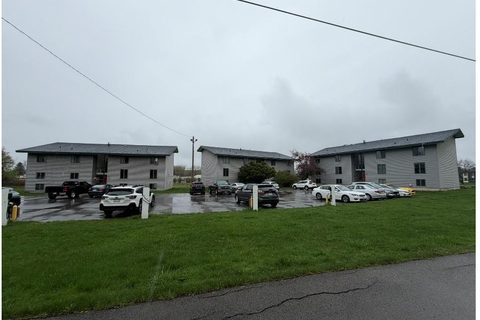
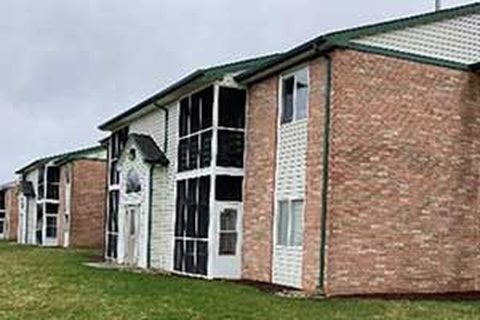
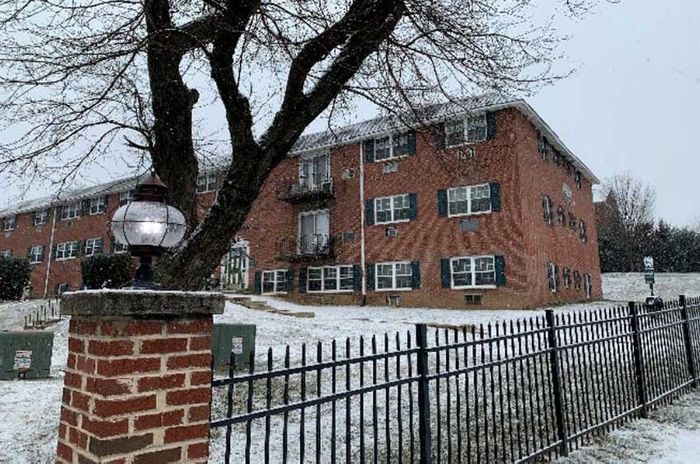
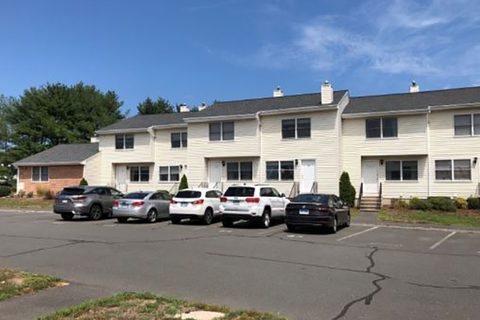
A sample of apartment and multifamily loans we have arranged for investors nationwide.
What Our Clients Say
“I am a veterinarian who purchased an existing practice. I was surprised to find a company that offered 100% financing at a good rate, with great terms and rates for medical office financing.”
Carol K. · Chicago, IL“I spoke to several commercial lenders before finding Select Commercial. They got me a lower rate and their service was exceptional. If you need a multifamily loan, you need to talk to Stephen.”
Nathan B. · Philadelphia, PA“Select Commercial was very helpful with my multifamily mortgage. Stephen went over several options and we came up with the best lender to meet my needs. I got the funds and also lowered my payments.”
Gary M. · Portland, OR“Select Commercial offered 100% financing for my medical practice when my bank would have required 20% down. They delivered something my bank could not, and handled everything professionally.”
John C. · Boston, MAGet Your Oregon Apartment Loan Quote
No cost, no obligation. Written answers within 48 hours on Oregon apartment loans from $1,500,000.
- No application or processing fees
- Written answers within 48 hours
- For 5+ unit and commercial properties, $1.5M and up