
Georgia
Georgia Apartment Loans
Select Commercial arranges Georgia apartment loans from $1,500,000, up to 80% LTV, with no upfront fees. Our lowest apartment rate today is 6.64% as of October 13, 2026. We compare Fannie Mae, Freddie Mac, FHA, bank and bridge programs to fit your property. For larger balances, see multifamily loans. See current rates on every loan type we offer.
Get a Free Quote2026 Georgia Apartment Loan Market
Atlanta overbuilt harder than almost anywhere in the Sun Belt, and 2026 is the year that ends. Deliveries peaked at roughly 24,200 units in 2024, an all-time high for the metro, fell to about 16,700 in 2025, and are forecast at roughly 9,300 to 9,800 for 2026, a decline of 43% to 50% and the lightest year since 2021. Permitting is down about 28% from 2024, so the pipeline keeps thinning into 2027. Inventory expanded around 11% between 2022 and 2025; that expansion is now essentially over.
Demand never actually left. Net absorption has been running near 19,000 to 20,000 units a year, which is a genuinely strong number and the reason the correction is ending rather than deepening. Average asking rent has held around $1,600 to $1,634, and investors paid roughly $189,500 to $194,000 a unit at cap rates in the low to mid 5% range, with sharper pricing on value-add deals trading below replacement cost.
Be careful with Atlanta vacancy figures. Published 2026 estimates for this one metro range from about 5.6% to 9.5%, and the gap is methodological rather than a dispute about the facts. Surveys that track only stabilized, professionally managed assets report the low end; surveys that include units still leasing up report the high end, and with a supply wave this size the lease-up drag is large. Neither is wrong. If a lender or broker quotes you an Atlanta vacancy number, ask which basis it uses before you build anything on it.
Where the new supply is landing matters. Only two submarkets are projected to receive more than 1,000 units in 2026, while core Midtown and Downtown together take roughly 600. A Georgia building competing directly with a new lease-up will underwrite very differently from one three miles away that is not.
Across Georgia we arrange apartment building loans from $1,500,000 through agency, bank, FHA and bridge programs. Rate and leverage follow the rent roll and the trailing twelve months of operating income, not your personal income.
Georgia Apartment Loan Rates
Rates updated as of October 13, 2026
| Loan Type | Rate* | Max LTV |
|---|---|---|
| 5 Year Fixed | 6.66% | Up to 80% |
| 7 Year Fixed | 6.75% | Up to 80% |
| 10 Year Fixed | 6.64% | Up to 80% |
- Cash-out refinances are acceptable
- Interest-only and non-recourse options
- Minimum 1.25x debt-service-coverage ratio
See Georgia Multifamily Rates Over $6 Million, Starting at 6.44%
Rates last updated October 13, 2026. Rates and maximum LTV shown represent our best-case pricing scenarios. Actual rates, LTV, and loan terms are subject to underwriting approval and may vary.
Georgia Markets We Finance
Georgia is Atlanta plus a set of smaller markets that behave nothing like it. Atlanta is working off a historic supply wave; the rest of the state never had one. That difference decides which lenders bid on your building and how they size it.
Metro Atlanta
The largest apartment market in Georgia by a wide margin, the eighth-largest in the country, and the one that added the most inventory in the Sun Belt over the last cycle. Asking rents around $1,600, absorption near 19,000 to 20,000 units a year, trades around $189,500 to $194,000 a unit at low to mid 5% cap rates, and roughly 16,800 to 17,100 units still under construction, about 2.8% of inventory. Concessions remain in circulation on Georgia lease-up product, so effective rent sits under asking rent and a lender will size on the lower figure. For a stabilized Atlanta apartment complex with a clean rent roll the agencies compete hard; anything still filling up is a bank or bridge conversation first.
Atlanta apartment loans · Atlanta commercial
Savannah and the coast
Softer than Atlanta and the clearest example of how much Georgia markets diverge. Occupancy ran near 89.5% in the second quarter of 2026 with asking rent around $1,583 and annual rent change of roughly negative 5.8%, a steeper decline than the Atlanta metro, on completions of about 2,844 units over four quarters against 2,248 units absorbed. Port-driven employment supports the demand case over time, but a Savannah apartment mortgage in 2026 gets underwritten on in-place income with no rent growth assumption.
Augusta, Macon and middle Georgia
Lower cost per unit, higher going-in yields, and very little new construction competing with existing buildings. Augusta draws stability from the medical and military employment base and Macon from its logistics position on the interstate corridors. These Georgia markets belong to regional banks, credit unions and the agency small-balance programs, and Georgia apartment loan rates out here are often sharper than borrowers expect because the lenders know the collateral directly.
Where we do not yet have a dedicated apartment page for a Georgia city, the link goes to our commercial mortgage page for that market, which covers apartment and mixed-use property alongside other commercial types.
Compare Georgia Apartment Loan Programs
As a broker we compare every program for your best-fit Georgia apartment financing:
| Program | Typical rate* | Max leverage | Best for |
|---|---|---|---|
| Fannie Mae Small Loan | 6.80% | Up to 80% | Non-recourse, fixed to 30 yrs |
| Freddie Mac SBL | 6.66% | Up to 80% | $2M to $10M small balance |
| FHA / HUD | 6.70% | Up to 85% | Highest leverage, longest term |
| Bank / portfolio | 6.50% | Up to 75% | Flexible, value-add |
| Bridge | 9.00% | Up to 80% LTC | Reposition, lease-up |
Most apartment lenders look for a debt-service-coverage ratio (DSCR) of at least 1.25x.
Rates last updated October 13, 2026. Rates and maximum LTV shown represent our best-case pricing scenarios. Actual rates, LTV, and loan terms are subject to underwriting approval and may vary.
Georgia Property Taxes and Insurance: Two Things to Get Right
The property tax cap you have heard about does not cover your apartment building. Georgia’s HOME Act limits annual growth in taxable value to the rate of inflation, and companion legislation makes it mandatory statewide from January 1, 2027 by removing local opt-outs. It applies only to owner-occupied homestead property. Apartments, rental housing and commercial property are excluded entirely. Owners regularly assume the cap protects an investment property and build a flat tax line into the model on that basis. It does not, and a lender will not underwrite it that way.
Millage varies more across Georgia than most borrowers expect. Fulton County has held its general fund rate at 8.87 mills since 2022 and Gwinnett at 6.95 mills for a seventh consecutive year, while DeKalb County raised its rate to 21.31 mills from 20.81. Two otherwise comparable Georgia buildings on opposite sides of a county line can carry materially different tax burdens, which shows up directly in net operating income and therefore in your loan amount. Check the actual parcel rather than a metro average.
Insurance is the expense line that has moved most. Nationally, multifamily insurance ran about $39 per unit per month in 2019 and about $68 by 2024, an increase of roughly 75% in real terms, and it now accounts for something closer to 15% of operating expenses than the 8% owners were used to. Southeastern states have generally seen larger increases than the national average. Because debt service coverage on a Georgia apartment building is calculated after operating expenses, every dollar of premium is a dollar of borrowing capacity, so bring your current binder alongside the rent roll rather than after it.
Georgia has no rent control and no municipality imposes one, so unlike California or New York, a lender projecting your income here is not working against a statutory ceiling.
Financing Options in Georgia
Georgia apartment, multifamily and commercial properties each have dedicated financing. Pick the page that matches your property:
Financing more of the state? See Georgia commercial mortgages.
Financing in another state? Explore our apartment loans, multifamily loans and commercial mortgages nationwide.
Refinancing a Georgia Apartment Building
The Georgia refinance question in 2026 is mostly about timing against the Georgia supply curve. If your building competed against a wave of new lease-ups over the last two years, your rents and occupancy took the hit that shows on your trailing twelve. With 2026 deliveries falling by roughly half and permitting down 28%, that pressure is lifting, and for many owners the right move is to wait a couple of quarters for the operating statement to reflect it rather than refinance off the bottom.
Start with the rent roll and the trailing twelve. Proceeds are sized on in-place income, so those two documents set your number before anything else. Where concessions are still being offered, effective rent sits below asking rent and the lender sizes on the lower figure. Burning off concessions before you apply usually improves proceeds more than shopping for a better rate does.
Then the tax and insurance lines. These two move Georgia files more than rate does. Confirm the actual millage on the Georgia parcel rather than the county average, and get your current insurance binder in front of the lender early. If your premium has renewed lower, that is worth real proceeds and it needs documenting.
Then the note. A great deal of Georgia multifamily property was financed with floating-rate bridge debt in 2021 and 2022 on lease-up assumptions that the supply wave undercut. If that is your situation, confirm the maturity date and whether prepayment is yield maintenance, a step-down or open, and start six to nine months out so you can shop rather than accept an extension from the incumbent lender.
Send the rent roll and the trailing twelve and we will underwrite the building the way the lender will, then come back with written options inside 48 hours at no cost. Georgia apartment loans start at $1,500,000, whether it is a twenty-unit building inside the perimeter or a garden complex outside Macon.
Georgia Apartment Loan Types We Serve
We arrange financing across Georgia for:
- Urban high-rise apartment buildings
- Suburban garden apartment complexes
- Small apartment buildings with 5+ units
- Underlying cooperative apartment loans
- Portfolios of small apartment and rental properties
- Mixed-use and other multifamily property
Georgia Apartment Complex Financing
In Georgia, loan size changes the bidder list. Smaller balances usually price best with regional banks, credit unions and the agency small-balance programs, where local knowledge and a clean rent roll carry the file. Larger balances open the field to Fannie Mae, Freddie Mac, FHA, life companies and CMBS, and rates there are frequently tighter because the loan is big enough to securitize. What comes with that is a heavier package: full appraisal, property condition report, environmental review, and sizing driven by net operating income, debt service coverage and debt yield.
Georgia apartment lenders are focused on two questions right now: what is competing with your building in its own submarket, and what the insurance line does to coverage. Answer both with documents and the file moves. Send the rent roll, the trailing twelve and the binder, and we will tell you which lenders are sharpest on your property.
Georgia Multifamily Loan Rates
For larger balances, over $6 million
Other Property & Loan Types We Finance in Georgia
As a full-service commercial mortgage broker, we arrange Georgia financing across every major property and loan type:
We consider commercial loan requests of all sizes, beginning at $1,500,000.
Apartment Loans Across Georgia
We arrange apartment loans throughout Georgia, not only in metro Atlanta. Columbus, Athens, Albany, Valdosta and the smaller cities are financed through the same agency, bank and credit union programs, and a well-occupied building outside the Atlanta metro often supports more leverage than its owner expects.
For larger balances see our Georgia multifamily loans. For office, retail, industrial and owner-occupied property see Georgia commercial mortgages, and nationwide we lend in most major U.S. cities.
Recent Apartment Loan Closings
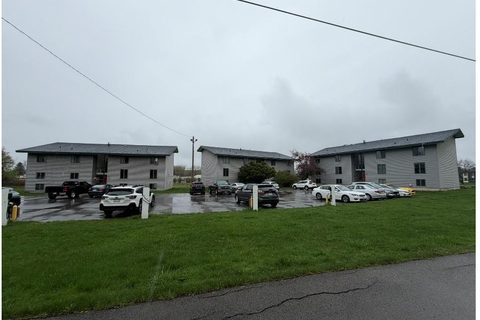
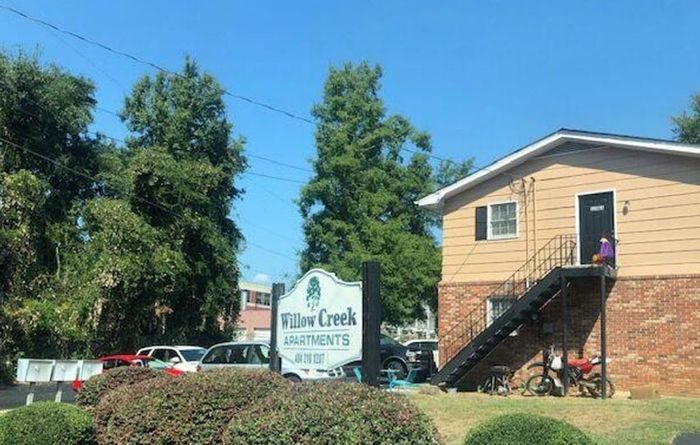
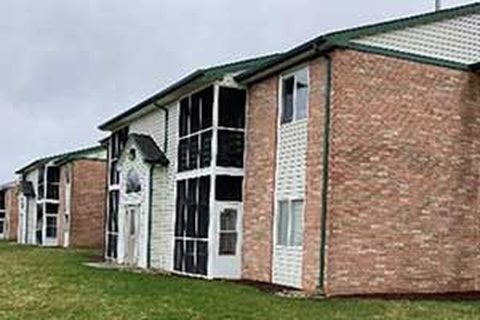
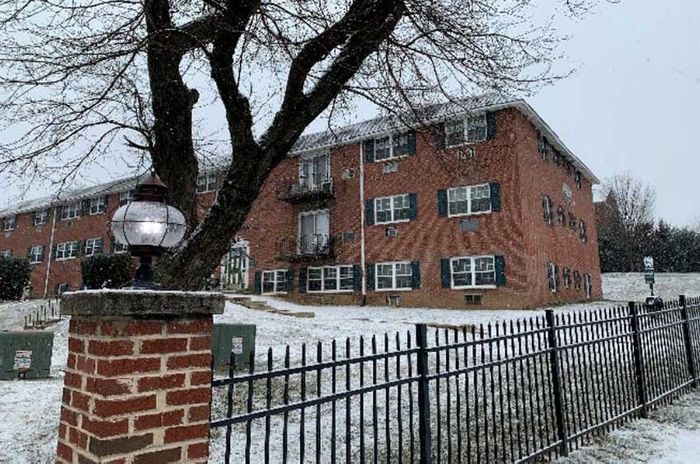
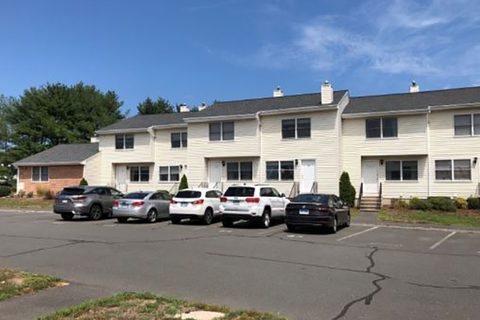
A sample of apartment and multifamily loans we have arranged for investors nationwide.
What Our Clients Say
“I am a veterinarian who purchased an existing practice. I was surprised to find a company that offered 100% financing at a good rate, with great terms and rates for medical office financing.”
Carol K. · Chicago, IL“I spoke to several commercial lenders before finding Select Commercial. They got me a lower rate and their service was exceptional. If you need a multifamily loan, you need to talk to Stephen.”
Nathan B. · Philadelphia, PA“Select Commercial was very helpful with my multifamily mortgage. Stephen went over several options and we came up with the best lender to meet my needs. I got the funds and also lowered my payments.”
Gary M. · Portland, OR“Select Commercial offered 100% financing for my medical practice when my bank would have required 20% down. They delivered something my bank could not, and handled everything professionally.”
John C. · Boston, MAGet Your Georgia Apartment Loan Quote
No cost, no obligation. Written answers within 48 hours on Georgia apartment loans from $1,500,000.
- No application or processing fees
- Written answers within 48 hours
- For 5+ unit and commercial properties, $1.5M and up