
Minnesota
Minnesota Apartment Loans
Select Commercial arranges Minnesota apartment loans from $1,500,000, up to 80% LTV, with no upfront fees. Our lowest apartment rate today is 6.55% as of October 19, 2026. We compare Fannie Mae, Freddie Mac, FHA, bank and bridge programs to fit your property. On larger balances, see multifamily loans. See current rates on every loan type we offer.
Get a Free Quote2026 Minnesota Apartment Loan Market
Minnesota has a feature almost no other state does: two large cities in a single metro that have taken different positions on rent regulation. Minneapolis and Saint Paul sit on opposite banks of the same river, and an owner with buildings in both is operating under two rulebooks at once. That is the first thing to establish before financing anything here, and it is set out below.
Minneapolis is growing faster. Average rent reached about $1,709 as of August 2026, up 2.74% over the year, against Saint Paul at $1,543 and up 1.95%. Both figures cover professionally managed buildings of fifty units and up.
The rest of Minnesota runs on its own logic. Rochester is anchored by one of the largest medical employers in the world, which gives it a demand base unlike anywhere else in the Midwest and arguably unlike anywhere in the country. Duluth, Saint Cloud and the regional centers run on healthcare, education, shipping and manufacturing at a materially lower basis per unit.
The Minnesota climate does real work on the expense line. Heating, snow and ice management, and the wear that freeze and thaw cycles put on roofs, masonry and parking surfaces all cost more here than they would further south, and because debt service coverage is calculated after operating expenses, that lands directly in the loan amount. It is one of the reasons the expense line gets more scrutiny on a Minnesota file than the rent trend does.
Across Minnesota we arrange apartment building loans from $1,500,000 through agency, bank, FHA and bridge programs. Rate and leverage follow the rent roll and the trailing twelve months of operating income, not your personal income.
Minnesota Apartment Loan Rates
Rates updated as of October 19, 2026
| Loan Type | Rate* | Max LTV |
|---|---|---|
| 5 Year Fixed | 6.60% | Up to 80% |
| 7 Year Fixed | 6.63% | Up to 80% |
| 10 Year Fixed | 6.55% | Up to 80% |
- Cash-out refinances are acceptable
- Interest-only and non-recourse options
- Minimum 1.25x debt-service-coverage ratio
See Minnesota Multifamily Rates Over $6 Million, Starting at 6.22%
Rates last updated October 19, 2026. Rates and maximum LTV shown represent our best-case pricing scenarios. Actual rates, LTV, and loan terms are subject to underwriting approval and may vary.
Minnesota Markets We Finance
The Twin Cities hold most of Minnesota’s apartment stock but they are two markets rather than one, and the difference is regulatory as much as economic. Outside the metro, Minnesota runs on healthcare, education and shipping.
Minneapolis
The larger and faster-growing of Minnesota’s two big cities, at about $1,709 as of August 2026 and up 2.74% over the year. Corporate headquarters, healthcare, finance and a substantial creative and technology sector give the city a broad employment base, and the range of product runs from pre-war walk-ups through mid-century courtyard buildings to newer downtown and north Loop conversions. Agency, bank and credit union capital all compete here. The regulatory question described below applies to Minneapolis specifically and should be settled before you contract.
Minneapolis apartment loans · Minneapolis commercial
Saint Paul
About $1,543 and up 1.95% over the year, on a lower basis per unit and generally older stock than across the river, and home to some of the oldest apartment buildings in Minnesota. State government, healthcare and higher education anchor demand, and the building stock includes a great deal of Victorian and early twentieth century product that carries its age in the property condition report. Saint Paul has taken its own path on rent regulation, separate from Minneapolis, which is the single most important thing to confirm about a Saint Paul apartment building before you buy it.
Rochester
An unusual market by any standard, in Minnesota or anywhere else. One of the world’s largest medical employers dominates the local economy, drawing patients, staff, researchers and visitors from around the world, and the demand that generates for housing does not track the general economy in any normal way. Occupancy here has historically been among the most durable in Minnesota. Lenders who understand the market price it well; lenders who treat it as an ordinary Minnesota regional city tend to underestimate it.
Duluth, Saint Cloud and greater Minnesota
Duluth runs on port shipping, healthcare and tourism, Saint Cloud on healthcare, education and manufacturing, and Mankato and Moorhead on their universities. Basis per unit is the lowest in Minnesota and going-in yields correspondingly high, with very little new construction competing against existing buildings. These are community bank, credit union and agency small-balance markets, and none of them carries municipal rent regulation.
Rent figures above are average asking rents across professionally managed buildings of fifty units and up as of August 2026. Where we do not yet have a dedicated apartment page for a Minnesota city, the link goes to our commercial mortgage page for that market.
Compare Minnesota Apartment Loan Programs
As a broker we compare every program for your best-fit Minnesota apartment financing:
| Program | Typical rate* | Max leverage | Best for |
|---|---|---|---|
| Fannie Mae Small Loan | 6.62% | Up to 80% | Non-recourse, fixed to 30 yrs |
| Freddie Mac SBL | 6.60% | Up to 80% | $2M to $10M small balance |
| FHA / HUD | 6.83% | Up to 85% | Highest leverage, longest term |
| Bank / portfolio | 6.50% | Up to 75% | Flexible, value-add |
| Bridge | 9.00% | Up to 80% LTC | Reposition, lease-up |
Most apartment lenders look for a debt-service-coverage ratio (DSCR) of at least 1.25x.
Rates last updated October 19, 2026. Rates and maximum LTV shown represent our best-case pricing scenarios. Actual rates, LTV, and loan terms are subject to underwriting approval and may vary.
Two Cities, Two Rulebooks: Rent Regulation in the Twin Cities
This is the defining feature of Minnesota apartment lending and it catches out-of-state buyers regularly. Rent regulation in Minnesota is municipal, not statewide. Minneapolis and Saint Paul have each addressed it separately in recent years through their own ballot and council processes, and the two cities did not land in the same place. The result is that two comparable buildings a few miles apart, on opposite sides of the Mississippi, can operate under materially different rules.
What differs between ordinances generally. The annual cap itself. Which buildings are covered, usually by construction date and sometimes by size. Whether newly constructed buildings are exempt and for how long after the certificate of occupancy. Whether vacancy decontrol applies, meaning whether you may reset to market when a unit turns. And what notice, registration or exception process an owner must follow to take an increase above the cap. Each of those affects the income a lender will project, and the last one is frequently the difference between a workable plan and an unworkable one.
Why a lender cares so much. An underwriter cannot credit rent growth an ordinance does not permit, and cannot credit a turnover premium in a city without vacancy decontrol. Two identical buildings across a river from each other can therefore support different loan amounts. This is also the most common reason a Twin Cities file gets re-sized late, after the lender’s counsel reads the ordinance and finds something the borrower had not.
What to do about it. Because these ordinances have been amended since they were first adopted and the details matter more than the headline percentage, do not work from a summary you read online, including this one. Before you go under contract, confirm three things directly with the city: whether the building is covered, what the current permitted increase is, and what the process is for an exception or an above-cap increase if you will need one. Bring that confirmation to the lender with your rent roll. Files that arrive with the ordinance question already answered move materially faster than files that leave it to be discovered, and it is a short phone call.
Outside Minneapolis and Saint Paul, no Minnesota municipality currently operates rent regulation, so a Rochester, Duluth or Saint Cloud file carries none of this and is correspondingly simpler.
Financing Options in Minnesota
Minnesota apartment, multifamily and commercial properties each have dedicated financing. Pick the page that matches your property:
Financing more of the state? See Minnesota commercial mortgages.
Financing in another state? Explore our apartment loans, multifamily loans and commercial mortgages nationwide.
Refinancing a Minnesota Apartment Building
Minnesota refinances turn on three documents, and in the Twin Cities one of them is not on most owners’ lists.
The rent roll and the trailing twelve. Proceeds are sized on in-place income. Because basis outside the core is low, sizing is usually coverage-driven, which puts every operating expense into the loan calculation.
Evidence of your position under the local ordinance, if the building is in Minneapolis or Saint Paul. A lender needs to know what income growth it may credit and whether the rents you are collecting are the rents permitted. A property collecting above a permitted rent is a genuine underwriting problem rather than a technicality, and it is far better found by you than by the lender’s counsel.
The expense line, with the winter in mind. Heating, snow and ice management, and freeze and thaw damage to roofs, masonry and parking all cost more in Minnesota than they would further south. Buildings where residents pay their own heat, or where a properly documented cost recovery system is in place, underwrite better than identical buildings absorbing the full cost. If you have converted metering, improved insulation, replaced windows or upgraded a boiler, put the dates and costs in front of the lender rather than leaving the property condition report to find it.
Then the note. Confirm the maturity date and whether prepayment is yield maintenance, a step-down or open, and start six to nine months ahead of a balloon so there is room to shop more than one lender rather than accept an extension. Cash-out is available on most programs where the equity supports it and coverage holds.
Send the rent roll and the trailing twelve and we will underwrite the building the way the lender will, then come back with written options inside 48 hours at no cost. Minnesota apartment loans start at $1,500,000, whether it is a fourteen-unit courtyard building in Minneapolis or a garden complex outside Rochester.
Minnesota Apartment Loan Types We Serve
We arrange financing across Minnesota for:
- Urban high-rise apartment buildings
- Suburban garden apartment complexes
- Small apartment buildings with 5+ units
- Underlying cooperative apartment loans
- Portfolios of small apartment and rental properties
- Mixed-use and other multifamily property
Minnesota Apartment Complex Financing
In Minnesota, loan size decides who competes. Smaller balances usually price best with regional banks, credit unions and the agency small-balance programs, where knowing the neighborhood, the ordinance and the building stock counts for a great deal. Larger balances open the field to Fannie Mae, Freddie Mac, FHA, life companies and CMBS, and rates there are frequently tighter because the loan is big enough to securitize, at the cost of a heavier package: full appraisal, property condition report, environmental review, and sizing driven by net operating income, debt service coverage and debt yield.
Minnesota apartment lenders establish two things before almost anything else: which municipal rules apply to the building, and what the heating and utility structure does to the expense line. Answer both with documents and the file moves. Send the rent roll and the trailing twelve months and we will tell you which lenders are sharpest on your property.
Minnesota Multifamily Loan Rates
For larger balances, over $6 million
Other Property & Loan Types We Finance in Minnesota
As a full-service commercial mortgage broker, we arrange Minnesota financing across every major property and loan type:
We consider commercial loan requests of all sizes, beginning at $1,500,000.
Apartment Loans Across Minnesota
We arrange apartment loans throughout Minnesota, not only in the Twin Cities. Rochester, Duluth, Saint Cloud, Mankato, Moorhead and the suburban ring communities are financed through the same agency, bank and credit union programs. Outside Minneapolis and Saint Paul there is no municipal rent regulation to establish, which simplifies those files considerably.
For larger balances see our Minnesota multifamily loans. For office, retail, industrial and owner-occupied property see Minnesota commercial mortgages, and nationwide we lend in most major U.S. cities.
Recent Apartment Loan Closings
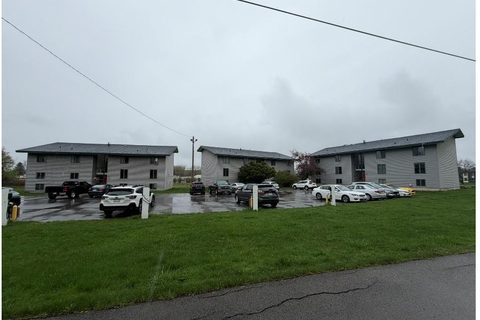
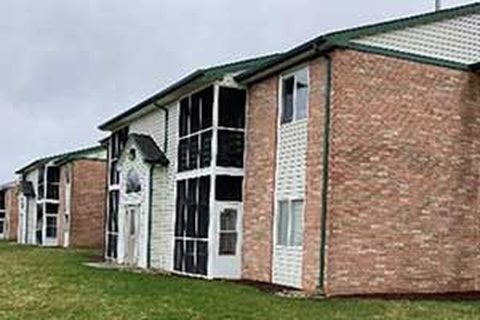
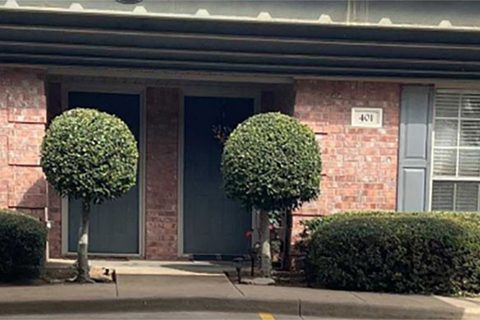
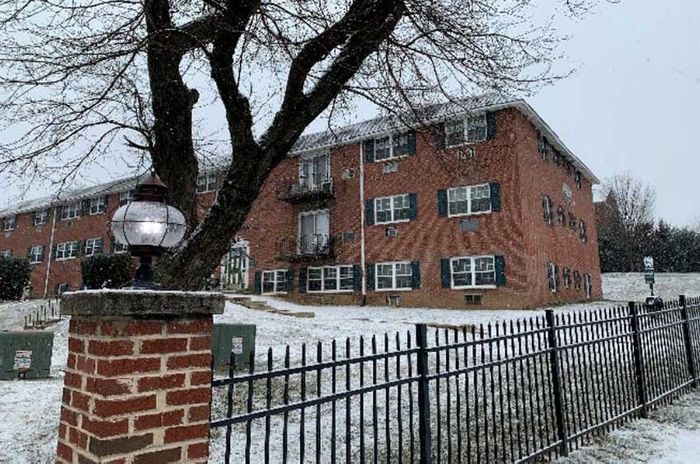
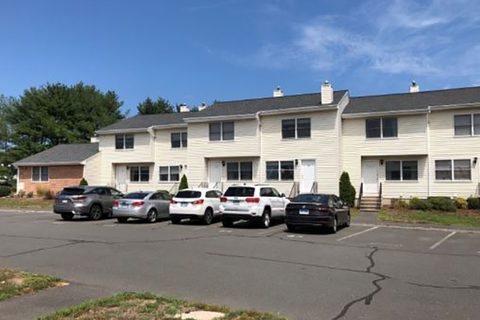
A sample of apartment and multifamily loans we have arranged for investors nationwide.
What Our Clients Say
“I am a veterinarian who purchased an existing practice. I was surprised to find a company that offered 100% financing at a good rate, with great terms and rates for medical office financing.”
Carol K. · Chicago, IL“I spoke to several commercial lenders before finding Select Commercial. They got me a lower rate and their service was exceptional. If you need a multifamily loan, you need to talk to Stephen.”
Nathan B. · Philadelphia, PA“Select Commercial was very helpful with my multifamily mortgage. Stephen went over several options and we came up with the best lender to meet my needs. I got the funds and also lowered my payments.”
Gary M. · Portland, OR“Select Commercial offered 100% financing for my medical practice when my bank would have required 20% down. They delivered something my bank could not, and handled everything professionally.”
John C. · Boston, MAGet Your Minnesota Apartment Loan Quote
No cost, no obligation. Written answers within 48 hours on Minnesota apartment loans from $1,500,000.
- No application or processing fees
- Written answers within 48 hours
- For 5+ unit and commercial properties, $1.5M and up