
Wisconsin
Wisconsin Apartment Loans
Select Commercial arranges Wisconsin apartment loans from $1,500,000, up to 80% LTV, with no upfront fees. Our lowest apartment rate today is 6.55% as of October 16, 2026. We compare Fannie Mae, Freddie Mac, FHA, bank and bridge programs to fit your property. On larger balances, see multifamily loans. See current rates on every loan type we offer.
Get a Free Quote2026 Wisconsin Apartment Loan Market
Wisconsin’s two apartment markets produced almost identical rent growth in 2026 for completely different reasons, which is a useful thing to understand before you buy in either. Madison average rent reached about $1,847 as of August 2026, up 2.13% over the year. Milwaukee ran $1,639, up 2.11%. Both figures cover professionally managed buildings of fifty units and up.
Madison grows because it cannot build. State government and the university give the capital one of the most durable occupancy records in the Midwest, and the demand base does not track the industrial cycle at all. What constrains it is supply: land, zoning and the isthmus geography all limit how much new product can arrive, which keeps existing buildings full and keeps basis per unit the highest in Wisconsin.
Milwaukee grows from a much lower base. Cost per unit here is a fraction of Madison’s on considerably older stock, with a broader manufacturing, healthcare and financial services employment base. That combination produces higher going-in yields and a coverage-driven loan rather than a value-driven one, but it puts the property condition report squarely at the center of the file.
What Wisconsin does not have is a supply problem. Neither market took the construction wave that hit Nashville, Austin or Denver, so there is no overhang to work off, no concession war and no correction to time. Rent growth just above 2% in both markets reflects genuine demand rather than a recovery off a depressed base, which makes the underwriting conversation simpler than in most of the country right now.
Across Wisconsin we arrange apartment building loans from $1,500,000 through agency, bank, FHA and bridge programs. Rate and leverage follow the rent roll and the trailing twelve months of operating income, not your personal income.
Wisconsin Apartment Loan Rates
Rates updated as of October 16, 2026
| Loan Type | Rate* | Max LTV |
|---|---|---|
| 5 Year Fixed | 6.60% | Up to 80% |
| 7 Year Fixed | 6.63% | Up to 80% |
| 10 Year Fixed | 6.55% | Up to 80% |
- Cash-out refinances are acceptable
- Interest-only and non-recourse options
- Minimum 1.25x debt-service-coverage ratio
See Wisconsin Multifamily Rates Over $6 Million, Starting at 6.22%
Rates last updated October 16, 2026. Rates and maximum LTV shown represent our best-case pricing scenarios. Actual rates, LTV, and loan terms are subject to underwriting approval and may vary.
Wisconsin Markets We Finance
Wisconsin has two markets of real size and a set of mid-sized manufacturing cities behind them. What separates them for lending purposes is building age and how constrained supply is, not rent growth, which has been remarkably similar across the state.
Madison
The highest rents in Wisconsin at about $1,847 as of August 2026, up 2.13% over the year. State government, the university and a growing biotechnology and health research cluster give Madison a demand base that is close to recession-resistant, and the isthmus geography plus zoning keeps new supply genuinely constrained. That combination is why occupancy here is among the most durable in the Midwest and why agency lenders compete hardest for Madison apartment buildings. Basis per unit is the highest in the state, so files are more often value-driven here than elsewhere in Wisconsin.
Madison apartment loans · Madison commercial
Milwaukee
The larger Wisconsin market, at about $1,639 and up 2.11%, on a much lower basis per unit and considerably older stock. Manufacturing, healthcare, financial services and the university system give Milwaukee a broader employment base than Madison, and the range of product is wider too, from pre-war walk-ups and duplexes through post-war garden complexes to downtown conversions. Going-in yields are higher than Madison’s, and an apartment complex loan here is nearly always sized on debt service coverage rather than on loan to value, which puts the expense line and the capital plan at the center of the file.
Milwaukee apartment loans · Milwaukee commercial
The Fox Valley and Green Bay
Appleton, Oshkosh, Neenah and Green Bay run on paper, packaging, insurance and food processing, an employment base that has been unusually stable for decades. Very little new construction competes with existing buildings, and occupancy has held accordingly. These Wisconsin markets belong to regional banks, credit unions and the agency small-balance programs, where a local relationship and a clean rent roll carry more weight than a national lender’s pricing sheet.
Kenosha, Racine and the southeast corridor
The counties between Milwaukee and the Illinois line have their own dynamic, drawing households priced out of the Chicago metro while sitting under Wisconsin taxes and Wisconsin rules. Basis is low and stock is older industrial-era product. Eau Claire, La Crosse and the western cities round out the state on a similar footing, with university demand adding stability in both.
Rent figures above are average asking rents across professionally managed buildings of fifty units and up as of August 2026. Where we do not yet have a dedicated apartment page for a Wisconsin city, the link goes to our commercial mortgage page for that market.
Compare Wisconsin Apartment Loan Programs
As a broker we compare every program for your best-fit Wisconsin apartment financing:
| Program | Typical rate* | Max leverage | Best for |
|---|---|---|---|
| Fannie Mae Small Loan | 6.62% | Up to 80% | Non-recourse, fixed to 30 yrs |
| Freddie Mac SBL | 6.60% | Up to 80% | $2M to $10M small balance |
| FHA / HUD | 6.83% | Up to 85% | Highest leverage, longest term |
| Bank / portfolio | 6.50% | Up to 75% | Flexible, value-add |
| Bridge | 9.00% | Up to 80% LTC | Reposition, lease-up |
Most apartment lenders look for a debt-service-coverage ratio (DSCR) of at least 1.25x.
Rates last updated October 16, 2026. Rates and maximum LTV shown represent our best-case pricing scenarios. Actual rates, LTV, and loan terms are subject to underwriting approval and may vary.
How a Wisconsin Apartment File Actually Underwrites
Wisconsin is one of the more straightforward states in the country to finance an apartment building in, because two of the questions that dominate files elsewhere simply do not arise here. There is no supply overhang to time and no concession war to unwind. What is left is the building and the expense line, and both deserve preparation.
Building age is the dominant variable in Milwaukee. Much of the stock is pre-war or immediately post-war, which means roofs, boilers, windows, electrical service and any lead or asbestos questions get priced into the property condition report rather than overlooked. Wisconsin winters are hard on buildings, and heating systems in particular get read carefully. An owner arriving with a funded capital plan and three clean years of operating statements consistently out-borrows an owner with an identical building and a thin file, and on a low-basis asset that documentation is frequently worth more proceeds than a modest improvement in rate.
The heating structure matters more here than in most states. Whether the building is master-metered or separately metered, and who pays for heat, changes the expense line materially in a climate like Wisconsin’s. Buildings where residents pay their own heat, or where a properly documented cost recovery system is in place, underwrite better than identical buildings carrying the full heating cost, and the difference is larger than it would be in a southern market. If you have converted metering or improved insulation and windows, document it with dates, because it flows straight into net operating income.
In Madison the constraint is different. With basis per unit the highest in the state and supply genuinely limited, Madison files are more often bounded by valuation than by cash flow, which is the reverse of the Milwaukee position. That makes the appraisal conversation worth having before it is ordered, particularly on newer product where recent comparable sales are thin.
Occupancy history carries unusual weight across Wisconsin. Because these markets do not swing, a lender reads a wobble in your occupancy as a property-specific problem rather than a market one. Three steady years is a strong story here in a way it would not be in a market that had just absorbed a construction wave.
Financing Options in Wisconsin
Wisconsin apartment, multifamily and commercial properties each have dedicated financing. Pick the page that matches your property:
Financing more of the state? See Wisconsin commercial mortgages.
Financing in another state? Explore our apartment loans, multifamily loans and commercial mortgages nationwide.
Refinancing a Wisconsin Apartment Building
Wisconsin refinances are usually decided by documents rather than by timing, because there is no cycle to wait out. That is genuinely good news: you are not choosing between refinancing now and refinancing into a better market later.
Start with the rent roll and the trailing twelve. Proceeds are sized on in-place income. In Milwaukee, where basis is low, sizing is nearly always coverage-driven, so every dollar of operating expense goes directly into the loan calculation. In Madison, valuation is more often the binding constraint.
Then the heating and utility structure, which is the Wisconsin-specific step. Go through what the building actually pays for and what residents pay for, and be ready to explain it. If you have converted metering, improved insulation, replaced windows or upgraded a boiler, put the dates and costs in front of the lender rather than leaving it to the property condition report to discover.
Then the building. On older Milwaukee stock in particular, roofs, boilers, electrical service and any open code items are priced. A documented capital schedule changes the conversation, and so does a clean three-year occupancy history.
Then the note. Confirm the maturity date and whether prepayment is yield maintenance, a step-down or open, and start six to nine months ahead of a balloon so there is room to shop more than one lender rather than accept an extension. Cash-out is available on most programs where the equity supports it and coverage holds.
Send the rent roll and the trailing twelve and we will underwrite the building the way the lender will, then come back with written options inside 48 hours at no cost. Wisconsin apartment loans start at $1,500,000, whether it is a twelve-unit walk-up in Milwaukee or a garden complex outside Madison.
Wisconsin Apartment Loan Types We Serve
We arrange financing across Wisconsin for:
- Urban high-rise apartment buildings
- Suburban garden apartment complexes
- Small apartment buildings with 5+ units
- Underlying cooperative apartment loans
- Portfolios of small apartment and rental properties
- Mixed-use and other multifamily property
Wisconsin Apartment Complex Financing
In Wisconsin, loan size decides who competes. Smaller balances usually price best with regional banks, credit unions and the agency small-balance programs, where knowing the neighborhood and the building stock counts for a great deal. Larger balances, most often in Madison, open the field to Fannie Mae, Freddie Mac, FHA, life companies and CMBS, and rates there are frequently tighter because the loan is big enough to securitize, at the cost of a heavier package: full appraisal, property condition report, environmental review, and sizing driven by net operating income, debt service coverage and debt yield.
Wisconsin apartment lenders concentrate on building condition and on the heating and utility structure, since there is no supply or regulatory question to answer here. Document both and the file moves quickly. Send the rent roll and the trailing twelve months and we will tell you which lenders are sharpest on your property.
Wisconsin Multifamily Loan Rates
For larger balances, over $6 million
Other Property & Loan Types We Finance in Wisconsin
As a full-service commercial mortgage broker, we arrange Wisconsin financing across every major property and loan type:
We consider commercial loan requests of all sizes, beginning at $1,500,000.
Apartment Loans Across Wisconsin
We arrange apartment loans throughout Wisconsin, not only in the two big markets. Green Bay, Appleton, Oshkosh, Kenosha, Racine, Eau Claire and La Crosse are financed through the same agency, bank and credit union programs, and the Fox Valley in particular carries a manufacturing base that has held occupancy steady for years.
For larger balances see our Wisconsin multifamily loans. For office, retail, industrial and owner-occupied property see Wisconsin commercial mortgages, and nationwide we lend in most major U.S. cities.
Recent Apartment Loan Closings
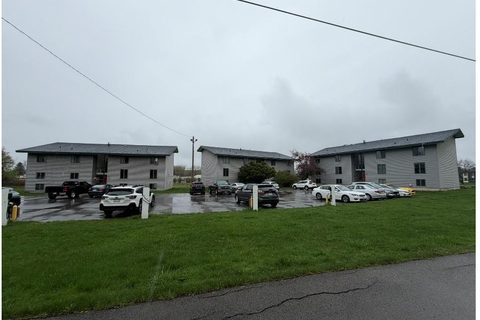
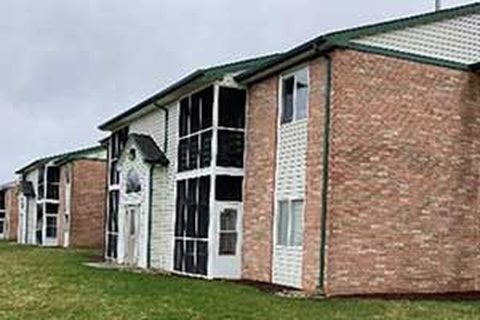
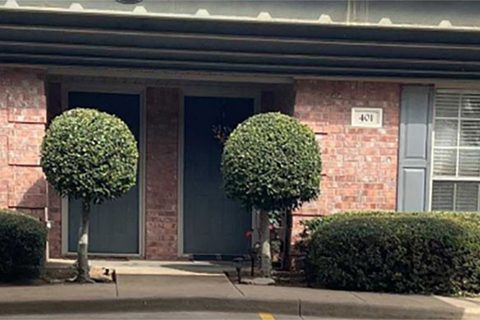
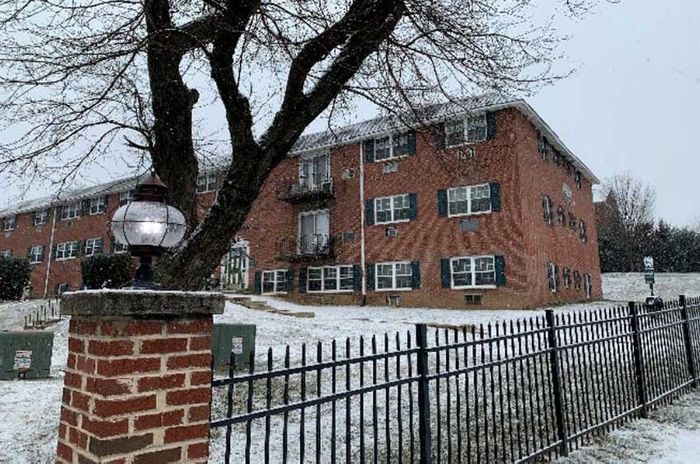
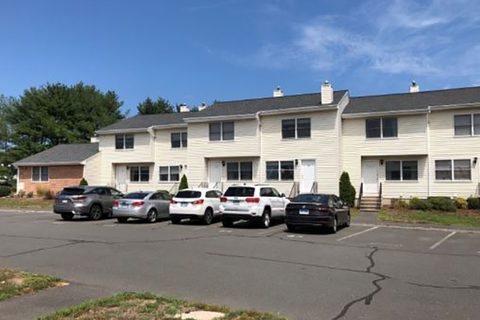
A sample of apartment and multifamily loans we have arranged for investors nationwide.
What Our Clients Say
“I am a veterinarian who purchased an existing practice. I was surprised to find a company that offered 100% financing at a good rate, with great terms and rates for medical office financing.”
Carol K. · Chicago, IL“I spoke to several commercial lenders before finding Select Commercial. They got me a lower rate and their service was exceptional. If you need a multifamily loan, you need to talk to Stephen.”
Nathan B. · Philadelphia, PA“Select Commercial was very helpful with my multifamily mortgage. Stephen went over several options and we came up with the best lender to meet my needs. I got the funds and also lowered my payments.”
Gary M. · Portland, OR“Select Commercial offered 100% financing for my medical practice when my bank would have required 20% down. They delivered something my bank could not, and handled everything professionally.”
John C. · Boston, MAGet Your Wisconsin Apartment Loan Quote
No cost, no obligation. Written answers within 48 hours on Wisconsin apartment loans from $1,500,000.
- No application or processing fees
- Written answers within 48 hours
- For 5+ unit and commercial properties, $1.5M and up