
Pennsylvania
Pennsylvania Apartment Loans
Select Commercial arranges Pennsylvania apartment loans from $1,500,000, up to 80% LTV, with no upfront fees. Our lowest apartment rate today is 6.64% as of October 11, 2026. We compare Fannie Mae, Freddie Mac, FHA, bank and bridge programs to fit your property. Larger balances are covered on our multifamily loans page. See current rates on every loan type we offer.
Get a Free Quote2026 Pennsylvania Apartment Loan Market
Pennsylvania’s two large apartment markets are both tight, and both are watching their construction pipelines empty at the same time. Philadelphia held stabilized occupancy at 95.4% through March 2026, with average advertised rent of $1,852 a month, up about 2.1% over the year. Pittsburgh held 95.2% stabilized occupancy through February 2026 at $1,444 a month, essentially flat on the quarter.
New supply has largely stopped arriving. Philadelphia delivered just 416 units through the first quarter of 2026, roughly 0.1% of stock, after taking 17,137 units over the preceding two years. Full-year 2026 completions are projected near 7,000, with about three quarters of that in the urban core, and first-quarter deliveries were the lowest in several years. Pittsburgh completed 1,067 units in all of 2025 and had 4,735 under construction as of February 2026.
Investment activity has broadened rather than grown. Philadelphia traded roughly $2.0 billion across 57 properties in 2025, with deal count up about 39% over 2024 while the average deal size fell from around $55 million to $35 million. New-construction product traded near $335,000 a unit, vintage garden and mid-rise nearer $240,000, and center city around $324,000. Urban cap rates ran in the low to mid 5% range. That pattern, more buyers writing smaller checks, is generally good news for an owner of a mid-sized apartment building looking to refinance rather than sell.
One number to read carefully. Pennsylvania’s statewide rental vacancy was reported at 6.6% for 2025, down from 6.9%. That figure counts all rental housing, single-family rentals included, which is a much broader universe than the roughly 5% vacancy the professionally managed apartment stock is running. The two are not comparable and should not be quoted against each other.
Across Pennsylvania we arrange apartment building loans from $1,500,000 through agency, bank, FHA and bridge programs. Rate and leverage follow the rent roll and the trailing twelve months of operating income, not your personal income.
Pennsylvania Apartment Loan Rates
Rates updated as of October 11, 2026
| Loan Type | Rate* | Max LTV |
|---|---|---|
| 5 Year Fixed | 6.66% | Up to 80% |
| 7 Year Fixed | 6.75% | Up to 80% |
| 10 Year Fixed | 6.64% | Up to 80% |
- Cash-out refinances are acceptable
- Interest-only and non-recourse options
- Minimum 1.25x debt-service-coverage ratio
See Pennsylvania Multifamily Rates Over $6 Million, Starting at 6.44%
Rates last updated October 11, 2026. Rates and maximum LTV shown represent our best-case pricing scenarios. Actual rates, LTV, and loan terms are subject to underwriting approval and may vary.
Pennsylvania Markets We Finance
Pennsylvania is two very different large markets plus a long tail of mid-sized cities. What separates them for lending purposes is less the rents than the transaction costs, the age of the stock and how deep the local bank bench is.
Philadelphia
Stabilized occupancy of 95.4% through March 2026 at $1,852 a month, with new supply now down to a trickle after two heavy delivery years. The stock ranges from rowhouse conversions and small walk-ups to institutional mid-rise, and the tax picture varies enormously between an abated new building and an unabated older one. It is also the most expensive city in Pennsylvania to transact in, and among the most expensive anywhere, which changes the arithmetic on refinancing versus selling more than most owners realize.
Philadelphia apartment loans · Philadelphia commercial
Pittsburgh
Stabilized occupancy of 95.2% through February 2026 at $1,444 a month, with 1,067 units completed in all of 2025 against 4,735 under construction. Rents are flat but occupancy is durable, which is exactly the profile agency lenders like to see in Pennsylvania. Basis is well below Philadelphia, so a Pittsburgh apartment complex loan is usually sized on debt service coverage rather than on loan-to-value, and local banks and credit unions compete hard against the agencies.
Pittsburgh apartment loans · Pittsburgh commercial
The Lehigh Valley, Harrisburg, Lancaster and the rest of the state
Allentown, Bethlehem, Easton, Harrisburg, York, Lancaster, Scranton, Wilkes-Barre and Erie are steady, under-covered markets where a well-run building rarely sits empty. Lancaster rents averaged about $1,614 a month with roughly 3% annual growth, ahead of the statewide pace, and had around 776 units under construction. These Pennsylvania markets are the domain of regional banks, credit unions and agency small-balance programs, and Pennsylvania apartment loan rates out here are frequently sharper than a borrower expects because the lenders know the collateral personally.
We finance Pennsylvania apartment buildings in every one of these markets from $1,500,000, whether or not we have a dedicated city page for them yet.
Compare Pennsylvania Apartment Loan Programs
As a broker we compare every program for your best-fit Pennsylvania apartment financing:
| Program | Typical rate* | Max leverage | Best for |
|---|---|---|---|
| Fannie Mae Small Loan | 6.84% | Up to 80% | Non-recourse, fixed to 30 yrs |
| Freddie Mac SBL | 6.66% | Up to 80% | $2M to $10M small balance |
| FHA / HUD | 6.70% | Up to 85% | Highest leverage, longest term |
| Bank / portfolio | 6.50% | Up to 75% | Flexible, value-add |
| Bridge | 9.00% | Up to 80% LTC | Reposition, lease-up |
Most apartment lenders look for a debt-service-coverage ratio (DSCR) of at least 1.25x.
Rates last updated October 11, 2026. Rates and maximum LTV shown represent our best-case pricing scenarios. Actual rates, LTV, and loan terms are subject to underwriting approval and may vary.
Philadelphia Transfer Tax and Abatements: What They Do to Your Deal
Two Pennsylvania rules move real money on an apartment transaction, and both are routinely under-budgeted.
The transfer tax is among the highest of any major U.S. city. Since July 1, 2025 a Philadelphia transfer carries a combined 4.578%: 3.578% to the city and 1.0% to the Commonwealth. On a four million dollar building that is roughly $183,000 due at closing, payable whether you finance the purchase or pay cash. It is the reason so many long-term owners refinance instead of trading, and it belongs in any Pennsylvania acquisition model from the first pass, not at the end.
The ten-year abatement is not what it used to be. Residential abatements filed after December 31, 2021 step down by 10% a year across the term rather than running flat, and commercial and industrial abatements filed after that date carry a flat 10% reduction. A 1% construction tax also applies to residential improvement permits filed after January 1, 2022. If you are underwriting new construction or a major rehab, your tax line in years one through ten is a rising slope rather than a flat line, and any competent lender will model it that way. Owners buying an abated Pennsylvania building partway through its term should know exactly which year of the step-down they are inheriting.
There is no rent control in Pennsylvania. No municipality in the state imposes one, and while bills have been introduced, none has passed. That is a real underwriting advantage: a lender projecting your income here is not working against a statutory ceiling. Philadelphia does separately ban the use of algorithmic rent-setting software, in force since early 2025, so a pro forma built on dynamic pricing uplift will not survive underwriting in the city.
One item to track rather than assume. Philadelphia’s Safe Healthy Homes Act, passed by City Council in April 2026, extends good-cause eviction protection to all city renters and adds rental license and inspection requirements. It was challenged in court by the local landlord association, so confirm its current status with your counsel before setting turnover assumptions on a Philadelphia building.
Financing Options in Pennsylvania
Pennsylvania apartment, multifamily and commercial properties each have dedicated financing. Pick the page that matches your property:
Financing more of the state? See Pennsylvania commercial mortgages.
Financing in another state? Explore our apartment loans, multifamily loans and commercial mortgages nationwide.
Refinancing a Pennsylvania Apartment Building
In Philadelphia the case for refinancing over selling is unusually strong, and it is mostly arithmetic. A sale costs 4.578% in transfer tax alone before brokerage, and buying the replacement asset costs it again. An owner who wants liquidity but likes the building is almost always better served pulling cash out, and Pennsylvania lenders see that trade constantly.
Start with the rent roll and the trailing twelve. Proceeds on an apartment complex refinance are sized on in-place income, so the current rent roll and twelve months of operating statements set the number before anything else is discussed. Occupancy at 95% and better across both major Pennsylvania markets means most stabilized Pennsylvania buildings are showing well right now.
Then check where your abatement sits. This is the Pennsylvania-specific step. If your building carries a post-2021 residential abatement, the tax line rises 10% of the abated amount every year, so the net operating income a lender underwrites for year three is not the one on your current statement. Refinancing before a step-down rather than after can be worth more than a modest improvement in rate.
Then the note and the building. Confirm the maturity date and whether prepayment is yield maintenance, a step-down or open, and start six to nine months ahead of a balloon so there is room to shop more than one lender. On the older rowhouse and walk-up stock common across Pennsylvania, roofs, systems and any open violations get real weight in the property condition report, so a documented capital plan pays for itself.
Send the rent roll and the trailing twelve and we will underwrite the building the way the lender will, then come back with written options inside 48 hours at no cost. Pennsylvania apartment loans start at $1,500,000, whether it is a ten-unit walk-up in Philadelphia or a garden complex outside Pittsburgh.
Pennsylvania Apartment Loan Types We Serve
We arrange financing across Pennsylvania for:
- Urban high-rise apartment buildings
- Suburban garden apartment complexes
- Small apartment buildings with 5+ units
- Underlying cooperative apartment loans
- Portfolios of small apartment and rental properties
- Mixed-use and other multifamily property
Pennsylvania Apartment Complex Financing
In Pennsylvania, loan size decides who competes. Smaller balances usually price best with regional banks, credit unions and the agency small-balance programs, where knowing the neighborhood matters and a clean rent roll carries the file. Larger balances open the field to Fannie Mae, Freddie Mac, FHA, life companies and CMBS, and rates there are frequently tighter because the loan is large enough to securitize, at the cost of a heavier package: full appraisal, property condition report, environmental review, and sizing driven by net operating income, debt service coverage and debt yield.
Pennsylvania apartment lenders pay particular attention to abatement status in Philadelphia and to building condition everywhere. Get both documented up front and a Pennsylvania file moves quickly. Send the rent roll and the trailing twelve months and we will tell you which lenders are sharpest on your property.
Pennsylvania Multifamily Loan Rates
For larger balances, over $6 million
Other Property & Loan Types We Finance in Pennsylvania
As a full-service commercial mortgage broker, we arrange Pennsylvania financing across every major property and loan type:
We consider commercial loan requests of all sizes, beginning at $1,500,000.
Apartment Loans Across Pennsylvania
We arrange apartment loans throughout Pennsylvania, not only in Philadelphia and Pittsburgh. The Lehigh Valley, Harrisburg, Lancaster, York, Scranton and Erie are financed through the same agency, bank and credit union programs, and a well-occupied building in one of those markets often supports more leverage than its owner expects.
For larger balances see our Pennsylvania multifamily loans. For office, retail, industrial and owner-occupied property see Pennsylvania commercial mortgages, and nationwide we lend in most major U.S. cities.
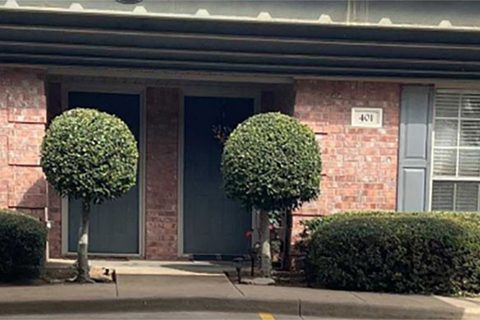
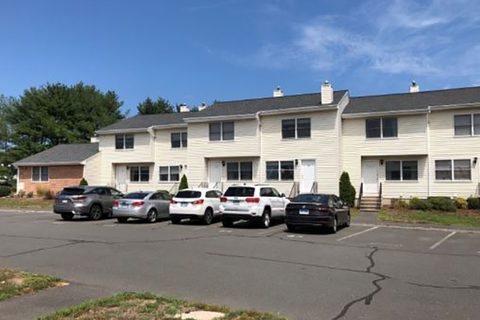
Recent Apartment Loan Closings
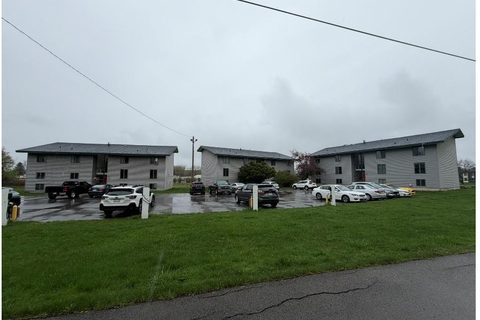
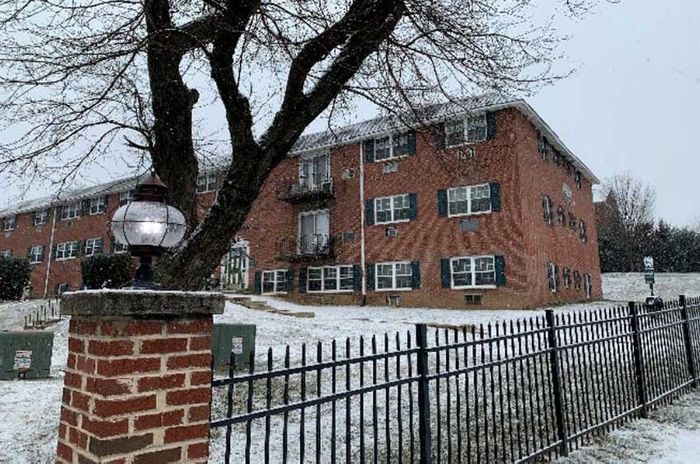
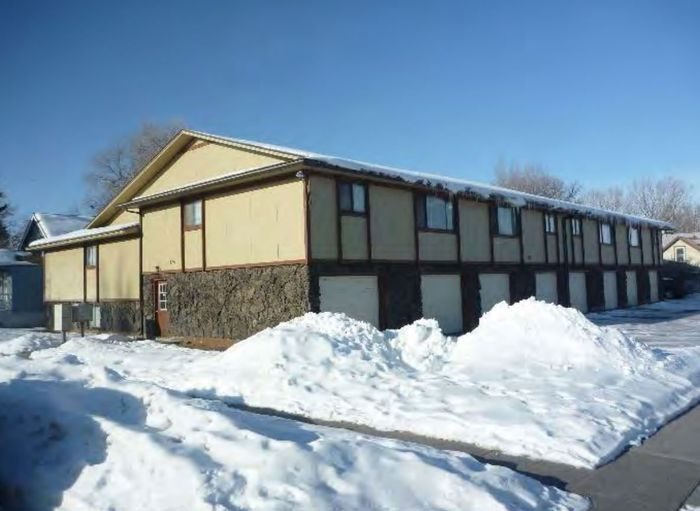
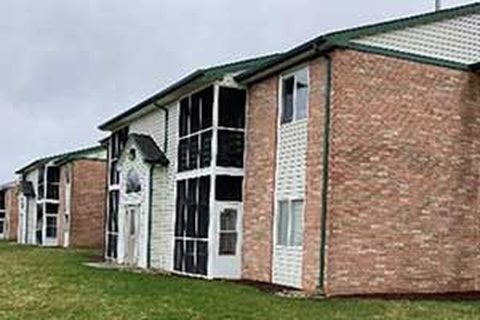
A sample of apartment and multifamily loans we have arranged for investors nationwide.
What Our Clients Say
“I am a veterinarian who purchased an existing practice. I was surprised to find a company that offered 100% financing at a good rate, with great terms and rates for medical office financing.”
Carol K. · Chicago, IL“I spoke to several commercial lenders before finding Select Commercial. They got me a lower rate and their service was exceptional. If you need a multifamily loan, you need to talk to Stephen.”
Nathan B. · Philadelphia, PA“Select Commercial was very helpful with my multifamily mortgage. Stephen went over several options and we came up with the best lender to meet my needs. I got the funds and also lowered my payments.”
Gary M. · Portland, OR“Select Commercial offered 100% financing for my medical practice when my bank would have required 20% down. They delivered something my bank could not, and handled everything professionally.”
John C. · Boston, MAGet Your Pennsylvania Apartment Loan Quote
No cost, no obligation. Written answers within 48 hours on Pennsylvania apartment loans from $1,500,000.
- No application or processing fees
- Written answers within 48 hours
- For 5+ unit and commercial properties, $1.5M and up