
Oregon Apartment Loan Rates
Select Commercial offers some of the most competitive Oregon apartment loan rates available, with 5, 7, and 10-year fixed-rate options starting as low as 6.18% as of August 2, 2026. As one of the most experienced apartment lenders in Oregon, we arrange apartment building loans and apartment building financing for properties valued between $1.5 million and $6 million, with up to 80% LTV, 30-year amortizations, and no upfront fees. For loans over $6 million, see our Oregon multifamily loan options.
| OR Apartment Loan Rates Less Than $6 Million | Free Loan Quote | ||
|---|---|---|---|
| Loan Type | Rate* | LTV | |
| Apartment Loan 5 Yr Fixed | 6.18% | Up to 80% | |
| Apartment Loan 7 Yr Fixed | 6.14% | Up to 80% | |
| Apartment Loan 10 Yr Fixed | 6.28% | Up to 80% | |
| OR Multifamily Loan Rates More Than $6 Million | Free Loan Quote | ||
|---|---|---|---|
| Loan Type | Rate* | LTV | |
| Multifamily Loan 5 Yr Fixed | 5.78% | Up to 75% | |
| Multifamily Loan 7 Yr Fixed | 5.74% | Up to 75% | |
| Multifamily Loan 10 Yr Fixed | 5.88% | Up to 75% | |
*Rates start as low as the rates stated here. Your rate, LTV, and amortization will be determined by underwriting.
Oregon apartment loan rates are priced based on the U.S. Treasury yield curve. As of August 2, 2026, the 10-year Treasury yield is 4.591% and the 5-year Treasury yield is 4.301%, which directly influences current pricing on apartment building loans in Oregon.
Want a personalized quote? Click here to request a customized loan quote for your Oregon apartment property.
Why Select Commercial Offers Competitive Oregon Apartment Loan Rates
When investors search for the best apartment loan rates in Oregon, Select Commercial consistently delivers some of the most competitive pricing available for properties under $6 million. We work directly with Fannie Mae Small Loan, Freddie Mac SBL, CMBS conduits, life insurance companies, banks, and credit unions, which means borrowers gain access to a wide network of apartment lenders in Oregon rather than the rates of a single bank. This multi-source approach allows us to consistently match borrowers with the lowest available rate and best terms for their specific apartment property.
Our Oregon apartment building financing programs include 5, 7, and 10-year fixed-rate options, up to 80% LTV, 30-year amortizations, non-recourse availability, and no upfront fees. Whether you are acquiring, refinancing, or pulling cash out of a stabilized apartment property valued between $1.5 million and $6 million, our team structures apartment building loans tailored to your investment goals.
Need a multifamily loan over $6 million? Visit our Oregon multifamily loan page. For other commercial property types, explore our Oregon commercial mortgage options. To compare all rates nationwide, see commercial mortgage rates.
2026 Oregon Apartment Loan Market Overview
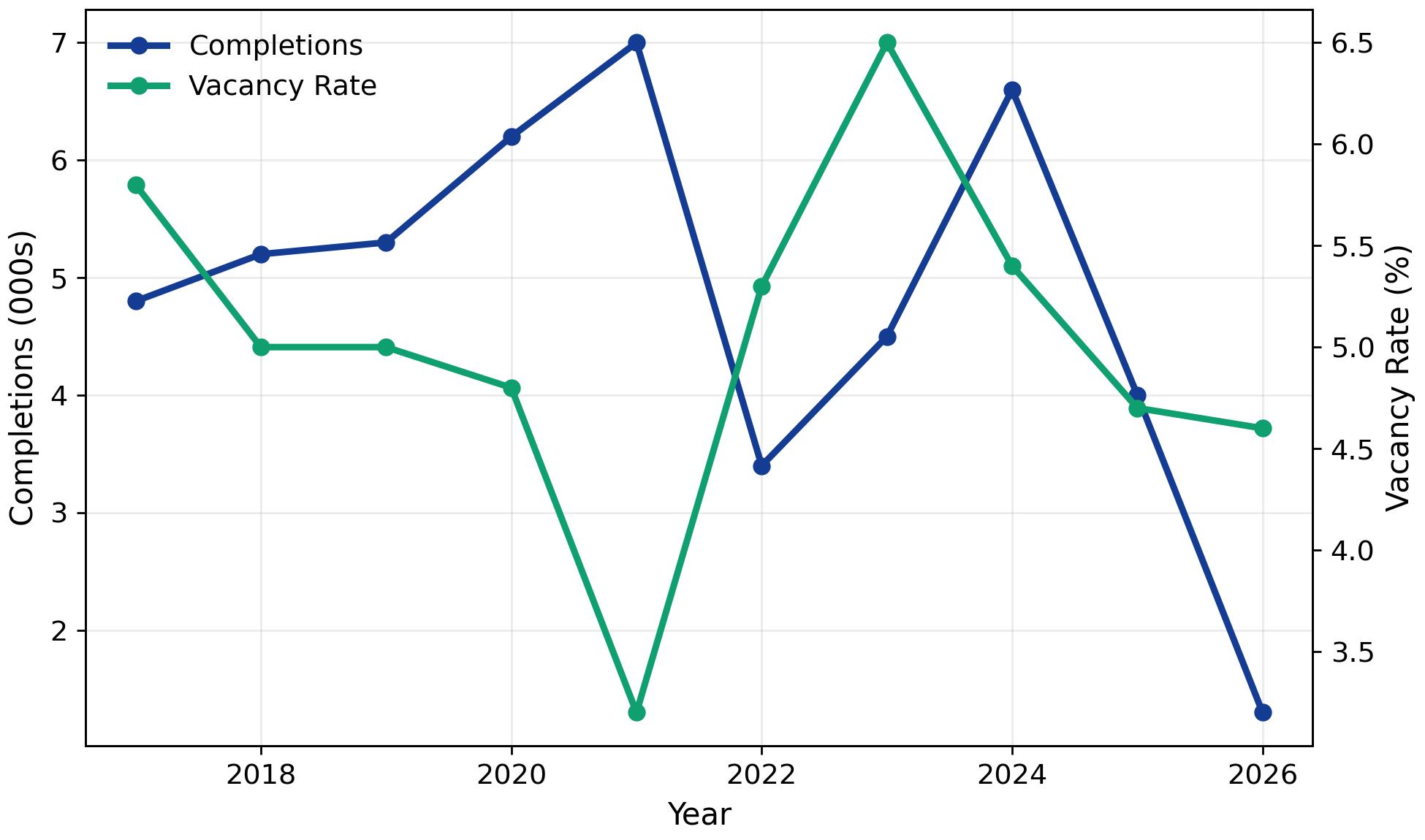
Entering 2026, Oregon presents a supply-constrained apartment market supported by population migration, technology employment, and limited new development. For borrowers evaluating apartment loans, the state benefits from strong renter demand across Portland and secondary markets. This environment supports apartment building financing strategies focused on occupancy stability, rent durability, and long-term supply limitations.
Development activity across Oregon has moderated following prior delivery cycles, with new supply still concentrated in the Portland metro. Vacancy remains manageable as absorption continues to stabilize the market. For apartment lenders, Oregon offers an underwriting profile centered on long-term fundamentals, constrained inventory, and income resilience.
Portland Anchors Oregon Apartment Loans
Portland remains the primary driver of apartment activity across Oregon. In 2026, the metro is projected to add approximately 18,000 jobs, deliver roughly 6,500 units, maintain vacancy near 6.5%, and reach average effective rent around $1,700 per month. For borrowers seeking an apartment building loan, Portland offers scale, transit-oriented demand, and strong renter fundamentals.
Salem Provides Government Stability
Salem offers a stable apartment market supported by state government employment. The city has a population of approximately 180,000, median household income near $65,000, median rent around $1,500, and median home value near $380,000. These fundamentals support consistent occupancy and income-focused investment strategies.
Eugene Adds University-Driven Demand
Eugene contributes a strong apartment market anchored by the University of Oregon. The city has a population of approximately 175,000, median household income near $60,000, median rent around $1,550, and median home value near $400,000. This supports steady renter demand and long-term investment stability.
Rent Levels Reflect West Coast Pricing
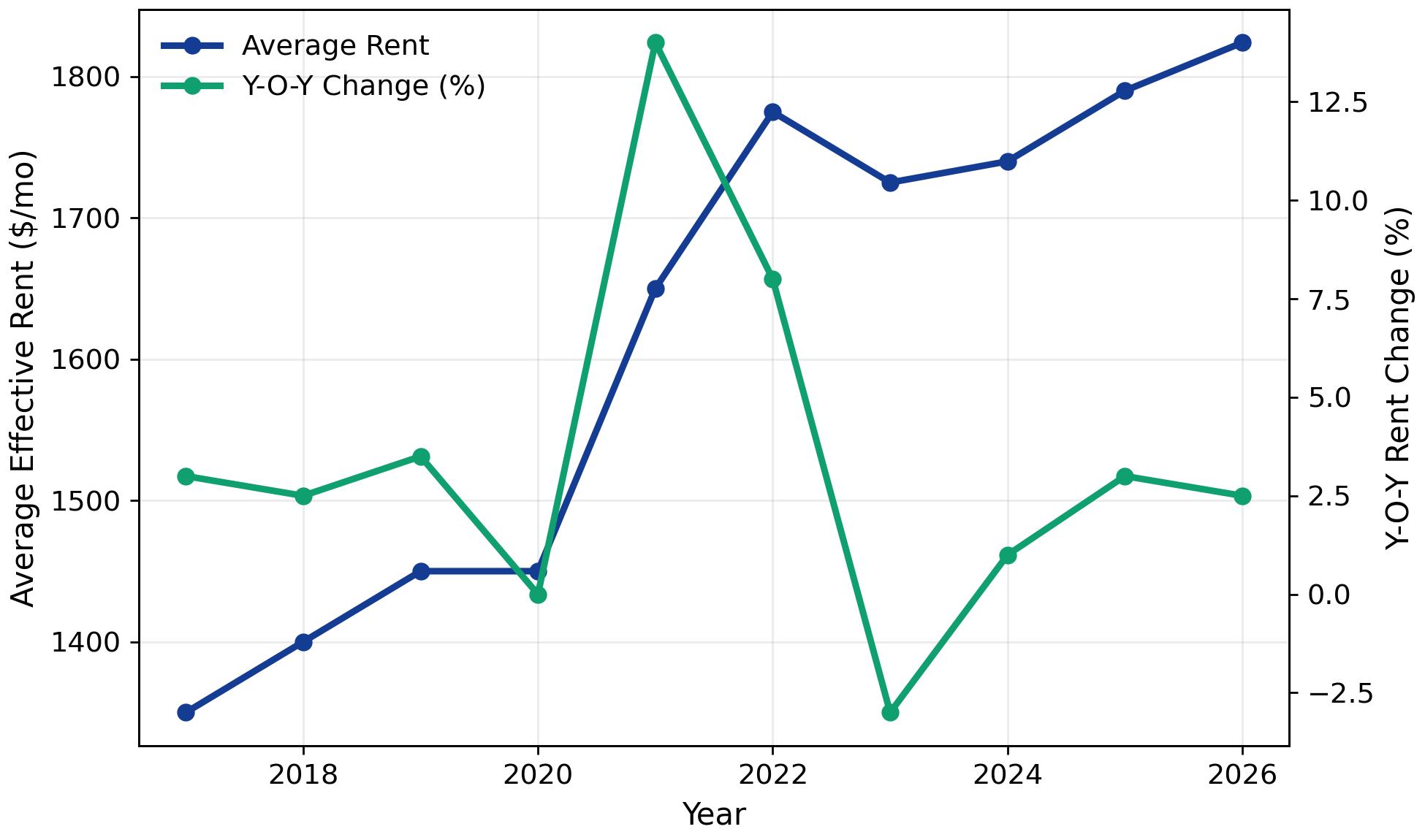
Oregon maintains higher rent levels compared to Midwest markets, driven by supply constraints and income levels. Portland is projected near $1,700 per month, with Salem and Eugene slightly below. This allows borrowers to structure apartment loans across both core and workforce housing strategies.
2026 Oregon Apartment Loan Market Forecast
- Employment: Portland is projected to add approximately 18,000 jobs.
- Construction: Portland is projected to deliver roughly 6,500 units.
- Vacancy: Vacancy is projected near 6.5%.
- Rent: Average effective rent is projected near $1,700 per month.
For investors comparing apartment loans in Oregon, 2026 reflects a market driven by supply constraints and long-term demand. Portland provides the primary scale, while Salem and Eugene offer complementary opportunities tied to government and university-driven demand.
2026 Portland Oregon Apartment Loan Market Overview
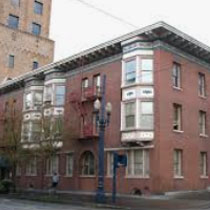
Portland is Oregon's largest city and the dominant anchor for apartment loans in Oregon, home to a highly educated technology and healthcare professional renter base anchored by Nike, Intel's Silicon Forest campus in nearby Hillsboro, Oregon Health and Science University, and Portland State University, with approximately 47% of renters holding bachelor's degrees or higher. The city has a population of approximately 627,040 residents as of 2026, with the greater Portland metro area at approximately 2.5 million people. The median household income is approximately $88,792 to $90,919, approximately 18% above the national median, and the median property value is approximately $557,600 to $581,500 as of 2024, approximately 128% above the national median. Approximately 132,612 renter-occupied households represent approximately 47% of all occupied housing units. Current data as of March 23, 2026 shows the average apartment rent at approximately $1,707 per month, down approximately 1.05% from the prior year as a correction phase runs its course. Metro vacancy has declined approximately 60 basis points year-over-year to approximately 7.3%, with trailing 12-month absorption of approximately 4,600 units, well above the historical average of approximately 3,200 units. These dynamics continue to support active demand for Oregon apartment loans in the state's primary market.
Portland Oregon Apartment Loan Rates and Financing in 2026
Financing conditions for Oregon apartment loans remain active in Portland in 2026, with lenders supporting stabilized assets in proven technology and healthcare employment corridors, newer construction completing lease-up in the Pearl District, South Waterfront, and close-in neighborhoods, and value-add acquisitions in the city's substantial pre-war and 1970s vintage rental stock. The median property value of approximately $557,600 to $581,500, approximately 128% above the national median, creates significant homeownership barriers that structurally anchor the approximately 47% renter-occupied rate even among Portland's highly paid professional workforce. The city's median rent of approximately $1,596 is approximately 37% above the national average, reflecting the Pacific Northwest premium while remaining significantly below comparable West Coast tech markets such as Seattle and San Francisco. For borrowers seeking an apartment building loan in Portland, the city's consistently strong absorption of approximately 4,600 units annually, contracting vacancy trajectory, and Nike and Intel institutional employment anchors provide a durable underwriting foundation within the broader Oregon apartment building financing landscape.
Trends in the Portland Oregon Apartment Market
Portland's rental market benefits from one of the Pacific Northwest's most diversified technology and healthcare employment bases. Nike, one of the world's largest sportswear companies, maintains its global headquarters in nearby Beaverton. Intel's Silicon Forest campus in Hillsboro is one of the company's largest manufacturing and research sites globally. Oregon Health and Science University, Oregon's only academic health center, is a major employer on the city's West Hills. Portland State University awarded approximately 6,783 degrees in 2023, the most of any institution in the city, and Portland Community College approximately 4,505 degrees. Total degrees awarded in Portland in 2023 reached approximately 12,417. Wages in Portland are approximately 10.5% above the national average, with professional roles commanding significant premiums. Approximately 53.5% of Portland residents hold bachelor's degrees or higher, among the highest rates of any major Pacific Northwest city. The city's median age of approximately 38.8 years and 25 to 34 age group at 34% of renters reflect a prime professional renter demographic. These fundamentals continue to attract Oregon apartment lenders evaluating the state's primary market.
Portland Oregon Apartment Loan Rent Levels in 2026
As of March 23, 2026, the average apartment rent in Portland is approximately $1,707 per month, down approximately 1.05% from the prior year, and the median rent across all property types is approximately $1,505 as of April 2026. By unit type: studios average approximately $1,236 to $1,328/month, one-bedrooms average approximately $1,505 to $1,617/month, two-bedrooms average approximately $1,794 to $1,955/month, and three-bedrooms average approximately $2,108 to $2,240/month. Approximately 43% of all Portland rentals are priced between $1,501 and $2,000 per month. Portland rents are approximately 7% below the national average for apartment inventory while remaining significantly below Seattle and San Francisco, creating a relative value advantage that attracts tech professionals migrating from higher-cost West Coast markets. These rent levels support consistent underwriting for apartment loans in Oregon where Nike, Intel, and OHSU demand anchor durable absorption.
Portland Oregon Apartment Loan Supply and Demand in 2026
Portland's rental market is in a favorable recovery phase, with metro vacancy declining approximately 60 basis points year-over-year to approximately 7.3%, well-above-historical-average absorption of approximately 4,600 units in the trailing 12 months, and vacancy projected to decline further toward approximately 6.8% by year-end 2026 as the construction pipeline empties. Units under construction nationally declined approximately 12.9% year-over-year, projecting significantly reduced supply pressure in 2026 and 2027. The Vancouver, Washington submarket directly across the river is in particularly strong shape, with demand expected to outrun new additions into 2026 and vacancy approaching a four-year low. Approximately 34% of Portland's rental stock was built before 1970, with pre-war units alone representing approximately 19% of all inventory, creating a large value-add character renovation opportunity base. Two-bedroom units make up the largest share at approximately 33% of all units. For borrowers pursuing apartment building financing in Oregon, Portland's contracting vacancy, well-above-average absorption, and emptying construction pipeline support a consistently improving near-term underwriting trajectory.
Opportunities for Apartment Investment in Portland Oregon
Investors pursuing an Oregon apartment loan in Portland in 2026 are focused on long-term growth and stable income from the city's Nike, Intel, and OHSU employment anchors where technology and healthcare professional incomes averaging approximately $101,846 for 25 to 44 year-old households support consistent above-average rent capacity, value-add acquisitions in Portland's extensive pre-war and 1970s vintage stock where strong absorption of approximately 4,600 units annually is steadily tightening vacancy below the 2024 peak, and close-in neighborhood stabilized holds in the Pearl District, Division Street, and Mississippi Avenue corridors where professional renter demand and walkability premiums support above-average rents well above the citywide average. Portland's median home value of approximately $557,600 to $581,500, approximately 128% above the national median, creates one of the most structurally durable homeownership barriers of any major Pacific Northwest city. For Oregon apartment lenders evaluating the state's primary market, Portland offers Nike and Intel institutional employment anchors, well-above-average absorption demonstrating deep demand, and a contracting supply pipeline that supports strong long-term performance for apartment building loans throughout the metro.
2026 Salem Oregon Apartment Loan Market Overview
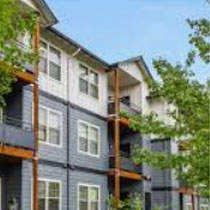
Salem is Oregon's capital and second-largest city, offering a stable, government-anchored apartment market for apartment loans in Oregon, driven by the State of Oregon's permanent public employment base, Salem Health, and a growing population in the heart of the Willamette Valley. The city has a population of approximately 182,620 to 182,925 residents as of 2026, growing at approximately 1.1% annually, having grown approximately 5.7% from 2019 to 2024, with the broader Salem MSA population at approximately 439,000. The median household income is approximately $75,487, the median property value is approximately $422,413 to $424,100 as of 2024, and Oregon has no sales tax, which materially improves purchasing power for government and healthcare sector renters. Approximately 29,669 renter-occupied households represent approximately 44 to 45% of all occupied housing units. Current data as of March 23, 2026 shows the average apartment rent at approximately $1,475 per month, up approximately 0.93% year-over-year, with vacancy at approximately 5.5%, the lowest of any major Oregon market. Salem's multifamily market absorbed approximately 850 units on a trailing 12-month basis, ahead of its five-year average of 750 units. These fundamentals support active demand for Oregon apartment loans in the state's capital market.
Salem Oregon Apartment Loan Rates and Financing in 2026
Financing conditions for Oregon apartment loans remain favorable in Salem in 2026, with lenders supporting stabilized assets near the State Capitol complex, Salem Health, and the Salem-Keizer School District corridor, as well as value-add acquisitions in the city's large 1970s through 1990s vintage rental stock. The median property value of approximately $422,413 and Oregon's zero sales tax environment create a meaningful homeownership cost barrier that structurally anchors the approximately 44% renter-occupied rate. Salem carries the lowest vacancy rate of any major Oregon metro at approximately 5.5%, with established non-lease-up properties performing at approximately 5% vacancy and forecasts pointing toward further tightening. For borrowers seeking an apartment building loan in Salem, the city's below-average vacancy, consistent rent growth of approximately 0.93 to 1.4% annually, permanent government employment anchor, and proximity to Portland provide a defensive and stable underwriting profile within the broader Oregon apartment building financing landscape.
Trends in the Salem Oregon Apartment Market
Salem's rental market is defined by a three-pillar employment base providing exceptional stability. The State of Oregon is the city's largest employer, with state government agencies, departments, and courts generating thousands of permanent professional jobs across the Capitol Mall area. Salem Health is the largest private healthcare employer, operating Salem Hospital, one of Oregon's highest-ranked hospitals and a high performer in cancer-related specialties. The Salem-Keizer School District and the City of Salem add significant public employment. Chemeketa Community College awarded approximately 1,439 degrees in 2023, Western Oregon University approximately 1,187 degrees, and Willamette University approximately 594 degrees, collectively contributing consistent young professional and student renter demand. Total degrees awarded in the Salem MSA in 2023 reached approximately 3,888. Salem's cumulative rent growth over the past decade reached approximately 50.1%, significantly outpacing the national performance of 33.5%, reflecting structural supply constraint from Oregon's urban growth boundary. The city's median age of approximately 36 years and 25 to 34 age group at 24% of renters reflect a broad cross-section of public sector professional and family renter demand. These fundamentals continue to attract Oregon apartment lenders evaluating the state's capital market.
Salem Oregon Apartment Loan Rent Levels in 2026
As of March 23, 2026, the average apartment rent in Salem is approximately $1,475 per month, up approximately 0.93% year-over-year from $1,462, described by market analysts as "modest but notably resilient" with average rents "just over fourteen hundred" per unit. By unit type: studios average approximately $1,220/month, one-bedrooms average approximately $1,145 to $1,264/month, two-bedrooms average approximately $1,342 to $1,496/month, and three-bedrooms average approximately $1,799 to $1,915/month. Approximately 59 to 60% of all Salem rentals are priced between $1,001 and $1,500 per month. The Central Salem submarket commands the highest rents at approximately $1,677/month. Salem rents are approximately 26% below the national average for apartment-specific inventory, supporting consistent underwriting for apartment loans in Oregon where government employment and healthcare sector demand anchor year-round absorption with minimal seasonal volatility.
Salem Oregon Apartment Loan Supply and Demand in 2026
Salem carries the strongest vacancy profile of any major Oregon city, with vacancy at approximately 5.5%, compared to Portland's approximately 7.3% and other Oregon markets. Established, non-lease-up properties are performing at approximately 5% vacancy, with the slightly elevated headline figure reflecting newer lease-up assets. Trailing 12-month absorption of approximately 850 units is ahead of the five-year average of 750 units, reflecting solid demand recovery. The development pipeline has slowed considerably due to feasibility challenges, with vacancy forecast to trend toward approximately 5% as new supply eases. Approximately 53% of Salem's rental stock was built between 1970 and 1999, with the 1970s vintage representing approximately 25% of all units, the largest cohort, creating a substantial value-add renovation candidate base. Two-bedroom units make up the largest share at approximately 47% of all units. For borrowers pursuing apartment building financing in Oregon, Salem's lowest-in-state vacancy, improving absorption, and slowing construction pipeline support a consistently favorable underwriting environment.
Opportunities for Apartment Investment in Salem Oregon
Investors pursuing an Oregon apartment loan in Salem in 2026 are focused on stable income and long-term demand near the State Capitol and Salem Health where government and healthcare professional incomes at a median household income of approximately $75,487 support consistent rent capacity with very low turnover, value-add acquisitions in Salem's extensive 1970s vintage stock where cumulative rent growth of approximately 50.1% over the past decade has created significant embedded appreciation on low-basis repositioning candidates, and long-term stabilized holds throughout the city where Oregon's urban growth boundary creates structural supply scarcity and the zero sales tax environment supports effective renter purchasing power above the nominal income numbers suggest. Salem's vacancy of approximately 5.5% is the tightest of any major Oregon market, positioning the city as the state's most defensively underwritten investment environment. For Oregon apartment lenders evaluating the state's capital market, Salem offers Oregon's lowest vacancy rate, permanent state government employment, and a decade of above-national rent growth that supports strong long-term performance for apartment building loans throughout the metro.
2026 Eugene Oregon Apartment Loan Market Overview
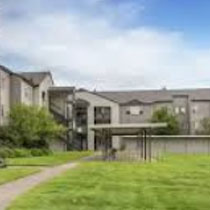
Eugene is Oregon's fourth-largest city and the state's premier university market for apartment loans in Oregon, anchored by the University of Oregon, PeaceHealth Sacred Heart Medical Center, and a growing healthcare and educational services employment base, with rent growth that was one of the strongest in the entire state in 2025. The city has a population of approximately 178,961 residents as of 2026 with the broader Eugene-Springfield MSA at approximately 384,000 people. The median household income is approximately $63,836 to $66,562 and the median property value is approximately $430,600 to $435,400 as of 2024, approximately 78% above the national median. Eugene has approximately 41,000 registered rental units, with approximately 39,894 renter-occupied households representing approximately 52% of all occupied housing units, making Eugene a majority-renter city. Current data as of February 21, 2026 shows the average apartment rent at approximately $1,861 per month, up approximately 1.61% year-over-year. Notably, while statewide Oregon rents declined approximately 1.3% year-over-year in October 2025, Eugene recorded rent growth of approximately 4.6%, making it the strongest-performing major rental market in the state. The average vacancy rate from the city's 2025 market assessment was approximately 3.5%, among the lowest of any Oregon market. These fundamentals support active demand for Oregon apartment loans in the state's university market.
Eugene Oregon Apartment Loan Rates and Financing in 2026
Financing conditions for Oregon apartment loans remain favorable in Eugene in 2026, with lenders supporting workforce and student housing assets near the University of Oregon campus, PeaceHealth Sacred Heart, and the emerging West University corridor, as well as value-add acquisitions in the city's extensive 1970s and 1990s vintage rental stock. The median property value of approximately $430,600 to $435,400, approximately 78% above the national median, creates strong homeownership barriers that structurally anchor the approximately 52% renter-occupied rate. Eugene's city vacancy of approximately 3.5% and eleven apartment developments reporting zero vacancy in the 2025 assessment confirm a supply-constrained market well below the statewide average. For borrowers seeking an apartment building loan in Eugene, the city's near-record-low vacancy, state-leading 4.6% rent growth, and University of Oregon institutional anchor provide an exceptional underwriting profile within the broader Oregon apartment building financing landscape.
Trends in the Eugene Oregon Apartment Market
Eugene's rental market is defined by the University of Oregon's dominant institutional presence. The University of Oregon is the city's single largest renter demand generator, awarding approximately 6,051 degrees in 2023, the most of any institution in the city by a wide margin, and enrolling thousands of undergraduate and graduate students who make up the core renter base near campus. Lane Community College awarded approximately 1,830 additional degrees in 2023. The largest employment sector in the city is healthcare and social assistance at approximately 14,741 workers, anchored by PeaceHealth Sacred Heart Medical Center, and educational services at approximately 13,355 workers. The 15 to 24 age group makes up 24% of renters and the 25 to 34 age group 26%, reflecting the dominant student and young professional demand profile. Approximately 44.2% of Eugene residents hold bachelor's degrees or higher, significantly above the national average of 33.7%. While the broader Oregon market cooled approximately 1.3% in 2025, Eugene's rent growth of approximately 4.6% outperformed every other major Oregon city, confirming the structural supply constraint created by the urban growth boundary and slow permitting. These fundamentals continue to attract Oregon apartment lenders evaluating the state's university market.
Eugene Oregon Apartment Loan Rent Levels in 2026
As of February 21, 2026, the average apartment rent in Eugene is approximately $1,861 per month, up approximately 1.61% year-over-year from $1,832. The median gross rent is approximately $1,439 as of 2023, and the median rent across all property types is approximately $1,645 as of March 2026. By unit type: studios average approximately $1,406 to $1,550/month, one-bedrooms average approximately $1,526 to $1,890/month, two-bedrooms average approximately $1,624 to $1,794/month, and three-bedrooms average approximately $2,220/month. Approximately 48% of all Eugene rentals are priced between $1,501 and $2,000 per month. The West University neighborhood commands the highest rents at approximately $2,428/month while the Fairmont and Whiteaker neighborhoods offer the most affordable options from approximately $800 to $1,250/month for one-bedrooms. Eugene rents are approximately 14 to 16% above the national average on a median basis, reflecting the university premium. These levels support consistent underwriting for apartment loans in Oregon where UO student and PeaceHealth professional demand anchor year-round absorption.
Eugene Oregon Apartment Loan Supply and Demand in 2026
Eugene carries one of the tightest supply profiles of any Oregon market, with the city's official 2025 market rate rent assessment reporting an average vacancy of approximately 3.5% across 70 surveyed apartment developments representing 11,109 units, with approximately 11 developments reporting zero vacancy. The highest vacancy reported at any single development was 22%, but the median and average reflect an extremely tight market. Eugene has approximately 41,000 registered rental units across all property types, with the majority of large apartment inventory having been built since 1990, including approximately 21% of units in the 1970s vintage and approximately 15% in the 1990s. Oregon's urban growth boundary and notoriously slow permitting constrain new supply, while middle housing reforms allowing duplexes through sixplexes are expected to add only modest "missing middle" supply over time. Two-bedroom units make up the largest share at approximately 36% of all units. For borrowers pursuing apartment building financing in Oregon, Eugene's near-record-low vacancy, state-leading rent growth, and UO-anchored structural demand support an exceptionally favorable underwriting environment.
Opportunities for Apartment Investment in Eugene Oregon
Investors pursuing an Oregon apartment loan in Eugene in 2026 are focused on stable income and university-driven demand near the University of Oregon campus where approximately 6,051 annual degree recipients and thousands of enrolled students guarantee structural renter demand, value-add acquisitions in the extensive 1970s and 1980s vintage stock where Eugene's state-leading approximately 4.6% rent growth and near-record-low vacancy of approximately 3.5% support strong repositioning returns on low entry costs relative to the median home value of approximately $430,600, and close-in neighborhood stabilized holds in the West University, South University, and Whiteaker corridors where premium rents of approximately $2,428/month reflect the proximity premium to campus employment and amenities. Eugene's approximately 52% renter-occupied rate, the highest of any major Oregon city, ensures a structurally deep and permanent renter pool. For Oregon apartment lenders evaluating the state's university market, Eugene offers the University of Oregon's institutional enrollment anchor, the lowest vacancy and strongest rent growth of any major Oregon market in 2025, and an urban growth boundary that enforces long-term supply scarcity supporting strong performance for apartment building loans throughout the metro.
Why Choose Select Commercial for Apartment Loans
What sets Select Commercial apart from traditional lenders and large banks? In this short video, we highlight the key reasons apartment building investors choose to work with us for Oregon apartment loans between $1.5 million and $6 million. We also actively finance multifamily loans exceeding $6 million.
Here's what the video touches on:
- No upfront application or processing fees
- Fast written pre-approvals often within 24 hours
- Access to a wide range of apartment lenders, not just one bank
- Loan structures tailored to your property and investment goals
Apartment Property Types We Finance in Oregon
At Select Commercial, we arrange financing for a wide range of Oregon apartment buildings, from smaller 5+ unit walkups to large portfolios of rental properties. Whether your property is urban, suburban, or mixed-use, we can help you secure the right loan structure based on your investment goals.
- Urban mid-rise and high-rise apartment buildings
- Suburban garden-style apartment complexes
- Small apartment buildings with 5+ units
- Mixed-use properties with residential and limited commercial space
- Underlying co-op apartment building loans
- Portfolios of small apartment or single-family rental properties
- Stabilized buildings with strong cash flow and rent history
If you're not sure whether your property qualifies, contact us for a free quote and we'll review your deal and let you know within 24 hours.
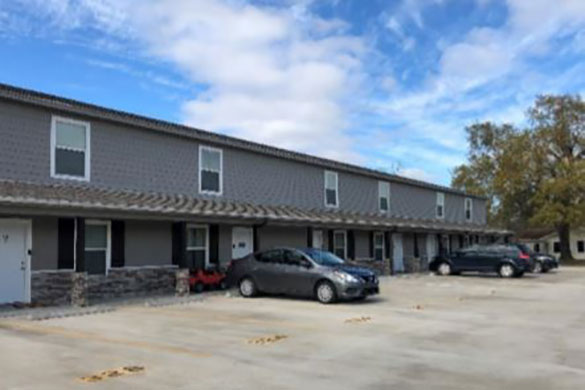
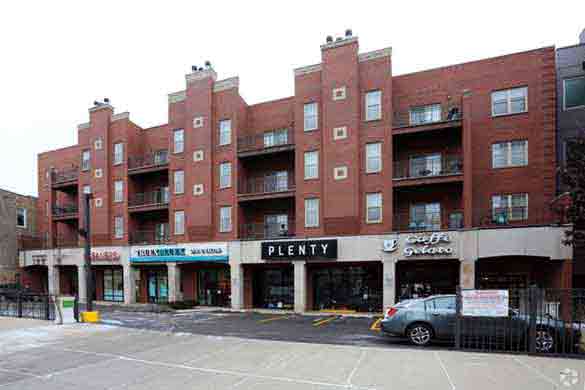
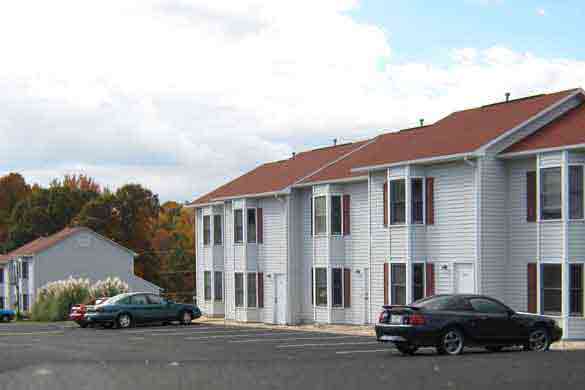
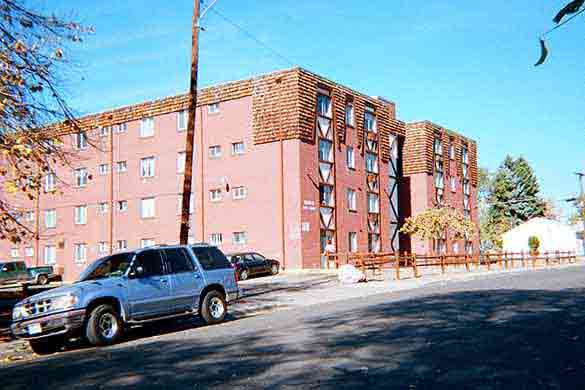
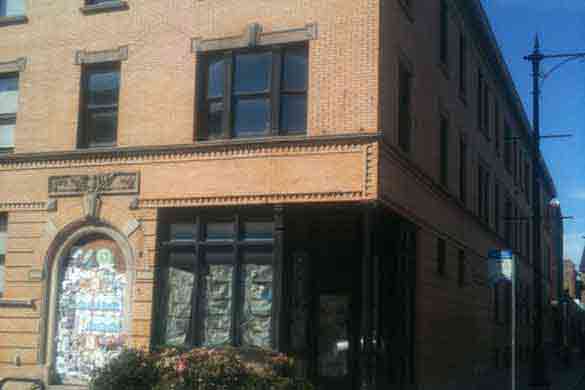
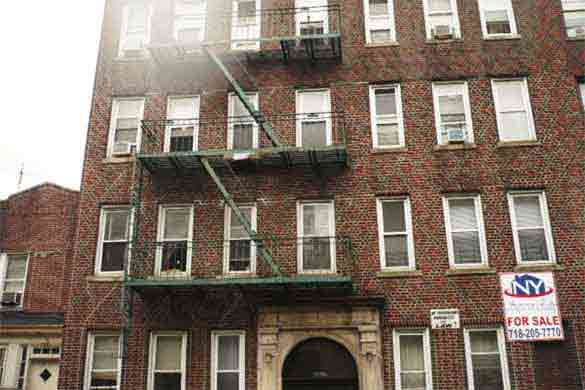
Recent Apartment Loan Closings
Why Oregon Borrowers Choose Select Commercial
Thousands of apartment building investors trust Select Commercial for our direct, transparent approach and proven expertise in the Oregon apartment loan market. We're not just brokers, we provide personalized service, fast answers, and access to top institutional lenders without the bureaucracy of traditional banks.
- Over 30 years of apartment loan experience with a national platform
- No upfront fees and fast pre-approvals, often within 24 hours
- Direct access to top lenders offering aggressive terms
- Dedicated support from quote to closing
Want to see why so many clients return to us for their next deal? Start with a free quote – we'll review your scenario and respond quickly.
Our Reviews


Latest Expert Insights from Stephen A. Sobin
Stephen A. Sobin, the president of Select Commercial Funding LLC, is a renowned expert in the field of multifamily financing. His insights and perspectives are regularly sought by leading industry publications. Here are his latest contributions that highlight his deep understanding of the multifamily financing landscape and his commitment to providing clear, insightful analysis on key industry issues.
Navigating Opportunity, Risk as 2025 Winds Down
In an article for Commercial Property Executive titled "Navigating Opportunity, Risk as 2025 Winds Down", Sobin explains as we head into the final stretch of 2025, the commercial real estate industry stands at a pivotal moment. After several years of upheaval—from pandemic disruptions to aggressive Federal Reserve rate hikes and lasting shifts in how people live and work—the sector is entering a new phase.
Why Lower Rates Haven't Fixed Commercial Real Estate
In an article for Wealth Management titled "Why Lower Rates Haven't Fixed Commercial Real Estate", Sobin explains that even as the Federal Reserve has begun cutting rates and borrowing costs should be falling, the commercial real estate sector remains locked in a frustrating stalemate. For high-net-worth investors trying to time the market, he emphasizes that understanding this disconnect requires looking beyond the headlines.
Why the Fed Rate Cut’s a Game Changer for CRE
In an article featured in Multi-Housing News, Stephen Sobin highlighted that after months of speculation and market anticipation, the Federal Reserve finally pulled the trigger last week, cutting the federal funds rate by 25 basis points to 4.00 to 4.25 percent. read the full article.
Inflation's Current Impact on Apartment
In an article featured in Multi-Housing News, Sobin explains how commercial mortgage rates continue to challenge investors, with elevated inflation depressing real estate market activity. Read the full article.
Will the July Jobs Report Pressure the Fed to Act?
Sobin noted in Multi-Housing News that unemployment hit a three-year high and job creation slowed significantly, factors that could push the Fed to reconsider future rate hikes. Read the full article.
Persistent Inflation and Its Effects on CRE
In an article featured in Multi-Housing News, Stephen Sobin highlighted that while inflation is still a challenge for the Federal Reserve, there are many positive signs for the commercial real estate industry. The headline Consumer Price Index rose 3.2 percent for the year ended Feb. 29, a figure 20 basis points lower than the Dec. 31, 2023, rate. read the full article.
Commercial Spotlight: Mid-Atlantic Region In this four-state powerhouse, smaller metros are thriving.
In a feature in Scotsman Guide, the Mid-Atlantic Region's real estate dynamics are explored, highlighting its resilience and growth amidst the pandemic.
Stephen Sobin of Select Commercial Funding LLC shared insights on the New York market's allure and the challenges buyers face. He noted the shift from primary urban areas to tertiary markets due to evolving preferences and financial conditions. For a deeper dive into Sobin's analysis, read the full article.
What the New Jobs Report Means for CRE
In an article titled "What the New Jobs Report Means for CRE" in Commercial Property Executive, Stephen Sobin shared his perspective on the latest jobs report and its implications for the Commercial Real Estate (CRE) sector. He highlighted the challenges posed by high interest rates and the prevailing uncertainty in the market. Sobin remarked, "Sellers aren’t selling, buyers aren’t buying... Everyone is waiting because no one knows what to expect." For a detailed analysis and more of Sobin's insights, read the full article.
Decoding "Junk Fees" in Rental Housing
In another latest contribution to Multi-Housing News, Sobin provided expert commentary in an article titled "What's Next for Junk Fees? The Industry Weighs In". He clarified the difference between legitimate fees collected for various third-party services and so-called "junk fees". Sobin emphasized the importance of borrowers understanding their rights in negotiating all loan terms and the obligation of lenders to disclose all fees.
Understanding the Impact of Federal Reserve's Decisions
In a recent article titled "How the Fed's Pause on Interest Rates Impacts Multifamily" published by Multi-Housing News, Sobin shared his expert insights on the Federal Reserve's decision to pause interest rate hikes. He accurately predicted that the Fed would not raise rates in June, citing recent bank failures and lingering concerns about a potential recession.
Stay tuned for more expert insights from Stephen A. Sobin on the evolving multifamily financing landscape.
Frequently Asked Questions About Oregon Apartment Loans
As of August 2, 2026, Select Commercial offers Oregon apartment loan rates starting as low as 6.18% on 5, 7, and 10-year fixed-rate options for apartment properties valued between $1.5 million and $6 million. Final rates depend on loan-to-value ratio (LTV), debt service coverage ratio (DSCR), borrower credit and experience, and current market conditions. View the full Oregon apartment loan rate table above for current pricing across loan terms.
Most lenders require a debt service coverage ratio (DSCR) of at least 1.25, good borrower credit, sufficient net worth and liquidity, and prior real estate ownership experience. Loan-to-value (LTV) ratios typically range from 65% to 80% depending on the loan program and current market conditions. Properties with strong occupancy and clean operating financials qualify for the most favorable Oregon apartment loan terms.
Most apartment lenders in Oregon require a 20% to 25% down payment. Your final loan-to-value ratio will be determined by the property's debt service coverage ratio (DSCR), occupancy, location, and overall financial performance.
A qualified broker like Select Commercial can present your loan to many different capital sources, including banks, credit unions, CMBS conduits, agency lenders (Fannie Mae and Freddie Mac), life insurance companies, and private funds. This multi-source approach increases the odds of approval and helps you secure the most favorable rates and terms available across the Oregon apartment lender market.
The process starts with gathering financials including a current rent roll, trailing 12-month income and expense statement, borrower resume, and a personal financial statement. A mortgage broker will analyze your documents and match you with the best lending program for your Oregon apartment property. Start with a Free Quote today.
Select Commercial is a leading provider of competitive Oregon apartment loan rates for properties valued between $1.5 million and $6 million. Through our access to Fannie Mae Small Loan, Freddie Mac SBL, CMBS, life insurance company, bank, and credit union capital, we consistently match borrowers with the lowest available rate and best terms for their specific apartment property. As of August 2, 2026, our Oregon apartment loan rates start as low as 6.18%.
Yes. While this page focuses on apartment loans under $6 million, Select Commercial also arranges larger balance loans for qualified borrowers. Visit our Oregon multifamily loan page for options over $6 million.
Agency Small Balance Apartment Loan Programs
Select Commercial connects borrowers with top-tier agency small balance loan programs in addition to bank and private capital options. Featured programs include:
- Fannie Mae® Small Loan Program – For apartment properties with 5+ units and loan sizes from $1 million to $6 million
- Freddie Mac® Small Balance Loan (SBL) Program – Streamlined financing solutions up to $6 million
- Loans Over $6 Million – Explore large-balance apartment loan programs in Oregon
These agency-backed options offer competitive fixed rates, non-recourse terms, and simplified underwriting for qualified apartment investors.
Oregon Apartment Building Financing
Select Commercial provides apartment building financing and Oregon commercial mortgages throughout the state of Oregon including but not limited to the areas below.