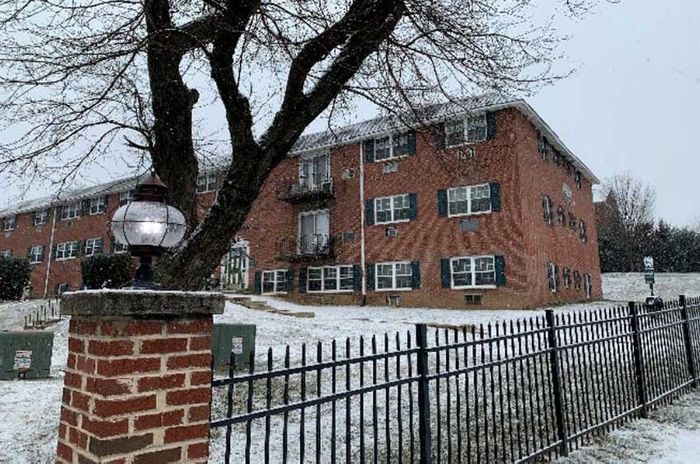
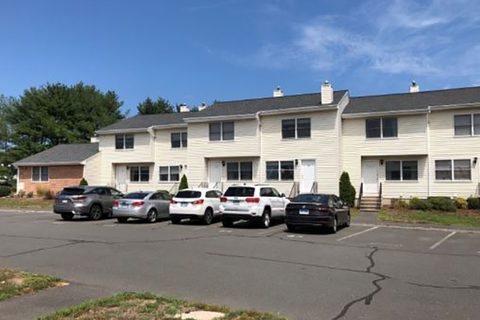
Georgia Apartment Loan Rates
| GA Apartment Loan Rates Less Than $6 Million | Free Loan Quote | ||
|---|---|---|---|
| Loan Type | Rate* | LTV | |
| Apartment Loan 5 Yr Fixed | 5.70% | Up to 80% | |
| Apartment Loan 7 Yr Fixed | 5.74% | Up to 80% | |
| Apartment Loan 10 Yr Fixed | 5.80% | Up to 80% | |
*Rates start as low as the rates stated here. Your rate, LTV, and amortization will be determined by underwriting.
Want a personalized quote? Click here to request a customized loan quote for your Georgia apartment property.
Need a multifamily loan over $6 million? Visit our Georgia multifamily loan page. For other commercial property types, explore our Georgia commercial mortgage options. To compare all rates nationwide, see commercial mortgage rates.
2026 Georgia Apartment Loan Market Overview
Entering 2026, Georgia continues to be driven by one of the strongest apartment markets in the Southeast. For borrowers evaluating apartment loans, the state benefits from population growth, corporate relocations, and steady household formation. While development has been elevated in recent years, supply is beginning to normalize, allowing apartment building financing to be structured around improving occupancy trends.
Atlanta Anchors Georgia Apartment Loans
Atlanta remains the primary driver of apartment activity across the state. In 2026, the metro is projected to add about 35,000 jobs, deliver roughly 18,000 units, post vacancy near 7.0%, and reach average effective rent around $1,720 per month. For borrowers seeking an apartment building loan, Atlanta offers scale and liquidity unmatched in the region.
Savannah Adds Coastal Growth and Port-Driven Demand
Savannah provides a secondary growth story within Georgia, supported by logistics and port activity. The city has a population of approximately 150,000, median household income near $58,000, median rent around $1,400, and median home value near $300,000. These fundamentals support continued renter demand and steady apartment lenders interest.
Augusta Supports Stable Workforce Housing Demand
Augusta adds a more stable, workforce-oriented rental market. The city has a population of approximately 200,000, median household income near $52,000, median rent around $1,200, and median home value near $240,000. This supports consistent demand for affordable and mid-tier apartment properties.
Rent Levels Reflect Broad Market Accessibility
Georgia offers a wide range of rent levels across markets. Atlanta is projected near $1,720, while secondary markets such as Savannah and Augusta fall into lower price tiers. This allows flexibility in structuring apartment loans across different investment profiles.
2026 Georgia Apartment Loan Market Forecast
- Employment: Atlanta is projected to add about 35,000 jobs.
- Construction: Atlanta is projected to deliver about 18,000 units.
- Vacancy: Vacancy is projected near 7.0%.
- Rent: Average effective rent is projected near $1,720 per month.
For investors comparing apartment loans in Georgia, 2026 reflects a large-scale primary market in Atlanta supported by smaller, stable secondary cities. This combination provides multiple entry points for apartment investment strategies.
2026 Atlanta Georgia Apartment Loan Market Overview
Atlanta is the largest city in Georgia and the primary driver of apartment loans in Georgia, anchoring one of the most active rental markets in the Southeast. The city has a population of approximately 530,106 residents as of 2026, growing at approximately 0.96% annually, with the broader metro area reaching approximately 6.4 million people after a 4.7% population increase since 2020. There are approximately 124,378 renter-occupied households in Atlanta, representing 54% of all occupied housing units as of March 2026. Current data points to a city-wide vacancy rate of approximately 12.4% following a historic supply wave, an average apartment rent of $1,769 per month as of March 23, 2026, and rent growth forecast to reach approximately 4% by 2026 as new supply cools and absorption normalizes.
Apartment Loan Rates and Financing Conditions in Atlanta
Financing conditions for Georgia apartment loans remain active in Atlanta in 2026, with strong liquidity across stabilized assets and growth-corridor properties. The median property value in Atlanta is approximately $439,600 as of 2024, up significantly from pre-pandemic levels, and median home prices across the metro are hovering near $405,000, keeping homeownership out of reach for a large share of the workforce and sustaining structural rental demand. Atlanta's gross rental yields of approximately 6.8% in Fulton County continue to attract investor capital. For borrowers seeking an apartment building loan in Atlanta, underwriting centers on submarket selection, asset vintage, and the degree to which concessions have normalized as the supply cycle peaks.
Key Market Trends Driving Apartment Demand in Atlanta
Atlanta continues to benefit from consistent in-migration, a diversifying economy anchored by fintech, film, life sciences, logistics, and professional services, and one of the largest university systems in the Southeast, including Georgia Tech, Georgia State, and Emory. The metro ranked third nationally in population growth from 2022 to 2023, and the Atlanta Regional Commission forecasts the region to reach approximately 7.9 million residents by 2050, adding roughly 1.8 million people to house. Renters in the 25 to 34 age group make up the largest share of the Atlanta renter pool at 36%, and approximately 50% of Atlanta renters hold bachelor's degrees or higher, among the highest educated renter bases among major Georgia apartment loan markets.
Average Rent Levels and Unit Pricing in Atlanta in 2026
As of March 23, 2026, the average apartment rent in Atlanta is $1,769 per month, up 0.6% from $1,758 the prior year. By unit type: studios average $1,461/month, one-bedrooms average $1,590/month, two-bedrooms average $1,862/month, and three-bedrooms average $2,184/month. Approximately 40% of all Atlanta rentals are priced between $1,501 and $2,000 per month. The Garden Hills submarket commands the highest rents in the city at approximately $2,633/month, while Midtown Atlanta averages approximately $1,927/month for one-bedroom units. These rent levels support underwriting for apartment loans across a broad range of asset classes where the improving supply outlook supports rent recovery through 2026.
Atlanta Apartment Supply, Demand, and Vacancy in 2026
Atlanta's apartment market is transitioning from a supply-driven correction toward recovery. The market recorded positive absorption for seven consecutive quarters through 2024, with approximately 18,000 higher-tier units absorbed, demonstrating strong underlying demand. Construction activity is declining sharply in 2025 and 2026, with deliveries expected to dip meaningfully, allowing absorption to normalize and vacancy to recover toward approximately 5% by late 2025 to 2026 in supply-constrained submarkets. Outlying suburban submarkets are already posting positive rent growth, with areas near new transit stops and BeltLine frontages projected at 3% to 4% rent growth. For borrowers pursuing apartment building financing in Georgia, Atlanta's contracting pipeline and above-average absorption rate support a constructive outlook for stabilized assets.
Apartment Investment Opportunities in Atlanta in 2026
Investors pursuing apartment loans in Atlanta in 2026 are targeting growth corridors near BeltLine investments and new transit infrastructure, value-add acquisitions in the 2000s vintage stock that represents approximately 40% of total rental inventory, and long-term hold opportunities in supply-constrained intown neighborhoods. One-bedroom units make up the largest share of Atlanta's rental inventory at approximately 39% of all units. The metro's strong population trajectory, highly educated renter base, and above-average rental yields continue to attract institutional and private capital. For Georgia apartment lenders evaluating Southeast opportunities, Atlanta offers scale, demographic momentum, and a recovering supply-demand balance that supports long-term performance for apartment building loans across the metro.
2026 Savannah Georgia Apartment Loan Market Overview
Savannah is Georgia's fifth-largest city and an important supporting market for apartment loans in Georgia, anchored by one of the most strategically significant port economies on the East Coast. The city has a population of approximately 149,465 residents as of 2026 with the broader metro area reaching approximately 424,935 people. There are approximately 31,205 renter-occupied households in Savannah, representing 54% of all occupied housing units. Current data points to an average apartment rent of $1,733 per month as of March 23, 2026, rents up 0.48% year-over-year, and approximately 2,600 new units projected for delivery in 2025 expanding inventory by approximately 7.1%. Savannah ranks as one of the most active secondary markets for Georgia apartment loans due to its port-driven employment base and above-average population growth.
Apartment Loan Rates and Financing Conditions in Savannah
For borrowers seeking an apartment building loan in Savannah, the market supports financing across workforce housing, mid-tier stabilized properties, and assets positioned near major employment corridors tied to port and logistics operations. The average home value in Savannah is approximately $335,719 as of early 2026, keeping a meaningful share of the workforce in the rental market. The Port of Savannah, the single largest container terminal in the United States, drove container volume growth of 12.5% in 2024, supporting consistent employment-driven renter demand across Chatham County. For borrowers evaluating Georgia apartment building financing, Savannah's port-anchored economy and above-average population growth relative to the state provide a stable underwriting foundation.
Key Market Trends Driving Apartment Demand in Savannah
Savannah's population grew 4.8% from 2020 to 2023, surpassing the national average growth rate of 1% during that period and ranking as the third-fastest growth pace across Georgia's metropolitan areas. The city's economy is anchored by the Port of Savannah and Port of Brunswick, which together support approximately 609,197 jobs statewide and generated approximately $171 billion in revenue and $5.3 billion in state and local taxes to Georgia's economy as of 2023. The Savannah College of Art and Design, Savannah Technical College, and a growing tourism and hospitality sector add additional renter demand layers. Renters in the 25 to 34 age group make up the largest share of Savannah's renter pool at 29%, supporting consistent leasing activity across asset classes. These fundamentals continue to attract Georgia apartment lenders evaluating secondary market opportunities in the state.
Average Rent Levels and Unit Pricing in Savannah in 2026
As of March 23, 2026, the average apartment rent in Savannah is $1,733 per month, up 0.48% from $1,725 the prior year. By unit type: studios average $1,603/month, one-bedrooms average $1,568/month, two-bedrooms average $1,736/month, and three-bedrooms average $1,985/month. Approximately 40% of all Savannah rentals are priced between $1,501 and $2,000 per month, reflecting a predominantly workforce-oriented rental base. Two-bedroom units make up the largest share of the rental inventory at approximately 41% of all units. These rent levels support practical underwriting for apartment loans where stable port and logistics employment drives consistent occupancy across the Savannah metro.
Savannah Apartment Supply, Demand, and Vacancy in 2026
Savannah is working through a near-cyclical high delivery period, with approximately 2,600 units projected for delivery in 2025, representing approximately 7.1% inventory expansion, the largest single-year delivery load in the city's history. Despite this supply wave, Class A rent growth remained positive at approximately 0.4% in 2024, and Class B and C product followed at approximately 0.3%, demonstrating the underlying resilience of demand across asset classes. Approximately 15% of Savannah's rental stock was built before 1939, creating meaningful value-add opportunities alongside newer product. For borrowers pursuing apartment building financing in Georgia, Savannah's stabilized workforce housing segment offers consistent occupancy supported by port employment that is largely insulated from broader economic cycles.
Apartment Investment Opportunities in Savannah in 2026
Investors pursuing apartment loans in Savannah in 2026 are focused on stable income-producing assets near port and logistics employment corridors, value-add acquisitions in the city's large pre-1960s vintage stock, and long-term holds tied to the Port of Savannah's continued expansion as the fastest-growing port on the East Coast. Over the past five years, Class A rent growth in Savannah averaged approximately 10.3%, Class B averaged 7.9%, and Class C averaged 5.2%, reflecting broad-based appreciation across asset tiers. For Georgia apartment lenders evaluating secondary markets in the state, Savannah offers a distinct port-driven demand profile, a young and growing renter base, and long-term income stability that supports strong performance for apartment building loans across the metro.
2026 Augusta Georgia Apartment Loan Market Overview
Augusta is Georgia's second-largest city and a stable workforce housing market for apartment loans in Georgia. The city has a population of approximately 201,590 residents as of 2026 with the broader metro area supported by Fort Gordon, Augusta University Medical Center, and the Savannah River Site as anchor employers. There are approximately 35,542 renter-occupied households in Augusta, representing 49% of all occupied housing units. Current data points to an average apartment rent of approximately $1,225 per month as of early 2026, rents up approximately 2.5% year-over-year, and a rental market that remains approximately 33% below the national average, making Augusta one of the most affordable secondary markets for Georgia apartment loans. The city's lower cost basis and institutional employment anchors support consistent long-term renter demand.
Apartment Loan Rates and Financing Conditions in Augusta
For borrowers seeking an apartment building loan in Augusta, the market supports financing across workforce housing, smaller apartment communities, and stabilized rental properties anchored by government and healthcare employment. The median home value in Augusta is approximately $163,376, well below the Georgia and national averages, creating a low acquisition cost environment that supports favorable initial yields. Fort Gordon, home to the United States Army Cyber Command and the Georgia Cyber Innovation and Training Center, has emerged as one of the most significant military and technology employment hubs in the Southeast, providing a durable renter base. For borrowers evaluating Georgia apartment building financing, Augusta's low price basis, institutional employment, and consistent rent growth of approximately 2.5% year-over-year provide a practical and predictable underwriting environment.
Key Market Trends Driving Apartment Demand in Augusta
Augusta's rental market benefits from three distinct and largely recession-resistant demand pillars: military and government employment at Fort Gordon, healthcare and academic employment through Augusta University and Augusta University Medical Center, and the Savannah River Site, one of the largest federal nuclear facilities in the country. Renters in the 25 to 34 age group make up the largest share of Augusta's renter pool at 30%, followed by the 35 to 44 age group at 21%, reflecting a mix of military families, young professionals, and healthcare workers. Approximately 50% of all Augusta rentals are family households, with 34% including children under 18, supporting longer tenancies and stable renewal rates. These characteristics continue to attract Georgia apartment lenders evaluating affordable workforce housing opportunities in the state.
Average Rent Levels and Unit Pricing in Augusta in 2026
As of early 2026, the average apartment rent in Augusta is approximately $1,225 per month, up approximately 1.33% from $1,209 the prior year. By unit type: studios average approximately $1,042/month, one-bedrooms average approximately $1,095/month, two-bedrooms average approximately $1,244/month, and three-bedrooms average approximately $1,581/month. Approximately 57% of all Augusta rentals are priced between $1,001 and $1,500 per month, reflecting a predominantly workforce-oriented rental base. The West End Augusta submarket commands the highest rents in the city at approximately $1,612/month. These rent levels support practical underwriting for apartment loans where lower acquisition costs and stable institutional employment drive the return profile.
Augusta Apartment Supply, Demand, and Vacancy in 2026
Augusta carries a moderate supply pipeline that has remained balanced with absorption throughout the current cycle, providing consistent underwriting visibility for stabilized assets. Two-bedroom units make up the largest share of the rental inventory at approximately 42% of all units, consistent with the city's family household and military family demographic. Approximately 46% of Augusta's rental stock was built between 1960 and 1989, creating significant value-add repositioning opportunities for investors willing to upgrade vintage product. The city's cost of living is approximately 36% below the national average, reinforcing rental demand from workforce households who prioritize affordability. For borrowers pursuing apartment building financing in Georgia, Augusta's balanced supply-demand profile and institutional employment base support a stable and predictable underwriting environment.
Apartment Investment Opportunities in Augusta in 2026
Investors pursuing apartment loans in Augusta in 2026 are focused on stable income-producing assets near Fort Gordon, Augusta University Medical Center, and major healthcare corridors, as well as value-add acquisitions in the city's large 1960s through 1980s vintage rental stock. The Masters Tournament creates an annual economic boost that supports premium short-term and furnished rental demand, adding an additional income layer for well-located properties. Low acquisition costs, consistent rent growth of approximately 2.5% to 2.9% annually, and a largely recession-resistant employment base make Augusta one of the most predictable secondary markets for investors in the state. For Georgia apartment lenders evaluating the state beyond Atlanta, Augusta offers a distinct institutional demand profile and lower acquisition cost basis that supports strong cash-on-cash returns for apartment building loans across the metro.
Why Choose Select Commercial for Apartment Loans
What sets Select Commercial apart from traditional lenders and large banks? In this short video, we highlight the key reasons apartment building investors choose to work with us for Georgia apartment loans between $1.5 million and $6 million. We also actively finance multifamily loans exceeding $6 million.
Here’s what the video touches on:
- No upfront application or processing fees
- Fast written pre-approvals often within 24 hours
- Access to a wide range of apartment lenders, not just one bank
- Loan structures tailored to your property and investment goals
Apartment Property Types We Finance in Georgia
At Select Commercial, we arrange financing for a wide range of Georgia apartment buildings, from smaller 5+ unit walkups to large portfolios of rental properties. Whether your property is urban, suburban, or mixed-use, we can help you secure the right loan structure based on your investment goals.
- Urban mid-rise and high-rise apartment buildings
- Suburban garden-style apartment complexes
- Small apartment buildings with 5+ units
- Mixed-use properties with residential and limited commercial space
- Underlying co-op apartment building loans
- Portfolios of small apartment or single-family rental properties
- Stabilized buildings with strong cash flow and rent history
If you're not sure whether your property qualifies, contact us for a free quote and we'll review your deal and let you know within 24 hours.
Recent Apartment Loan Closings
Why Georgia Borrowers Choose Select Commercial
Thousands of apartment building investors trust Select Commercial for our direct, transparent approach and proven expertise in the Georgia apartment loan market. We're not just brokers, we provide personalized service, fast answers, and access to top institutional lenders without the bureaucracy of traditional banks.
- Over 30 years of apartment loan experience with a national platform
- No upfront fees and fast pre-approvals, often within 24 hours
- Direct access to top lenders offering aggressive terms
- Dedicated support from quote to closing
Want to see why so many clients return to us for their next deal? Start with a free quote – we'll review your scenario and respond quickly.
Our Reviews
Latest Expert Insights from Stephen A. Sobin
Stephen A. Sobin, the president of Select Commercial Funding LLC, is a renowned expert in the field of multifamily financing. His insights and perspectives are regularly sought by leading industry publications. Here are his latest contributions that highlight his deep understanding of the multifamily financing landscape and his commitment to providing clear, insightful analysis on key industry issues.
Navigating Opportunity, Risk as 2025 Winds Down
In an article for Commercial Property Executive titled "Navigating Opportunity, Risk as 2025 Winds Down", Sobin explains as we head into the final stretch of 2025, the commercial real estate industry stands at a pivotal moment. After several years of upheaval—from pandemic disruptions to aggressive Federal Reserve rate hikes and lasting shifts in how people live and work—the sector is entering a new phase.
Why Lower Rates Haven't Fixed Commercial Real Estate
In an article for Wealth Management titled "Why Lower Rates Haven't Fixed Commercial Real Estate", Sobin explains that even as the Federal Reserve has begun cutting rates and borrowing costs should be falling, the commercial real estate sector remains locked in a frustrating stalemate. For high-net-worth investors trying to time the market, he emphasizes that understanding this disconnect requires looking beyond the headlines.
Why the Fed Rate Cut’s a Game Changer for CRE
In an article featured in Multi-Housing News, Stephen Sobin highlighted that after months of speculation and market anticipation, the Federal Reserve finally pulled the trigger last week, cutting the federal funds rate by 25 basis points to 4.00 to 4.25 percent. read the full article.
Inflation's Current Impact on Apartment
In an article featured in Multi-Housing News, Sobin explains how commercial mortgage rates continue to challenge investors, with elevated inflation depressing real estate market activity. Read the full article.
Will the July Jobs Report Pressure the Fed to Act?
Sobin noted in Multi-Housing News that unemployment hit a three-year high and job creation slowed significantly, factors that could push the Fed to reconsider future rate hikes. Read the full article.
Persistent Inflation and Its Effects on CRE
In an article featured in Multi-Housing News, Stephen Sobin highlighted that while inflation is still a challenge for the Federal Reserve, there are many positive signs for the commercial real estate industry. The headline Consumer Price Index rose 3.2 percent for the year ended Feb. 29, a figure 20 basis points lower than the Dec. 31, 2023, rate. read the full article.
Commercial Spotlight: Mid-Atlantic Region In this four-state powerhouse, smaller metros are thriving.
In a feature in Scotsman Guide, the Mid-Atlantic Region's real estate dynamics are explored, highlighting its resilience and growth amidst the pandemic.
Stephen Sobin of Select Commercial Funding LLC shared insights on the New York market's allure and the challenges buyers face. He noted the shift from primary urban areas to tertiary markets due to evolving preferences and financial conditions. For a deeper dive into Sobin's analysis, read the full article.
What the New Jobs Report Means for CRE
In an article titled "What the New Jobs Report Means for CRE" in Commercial Property Executive, Stephen Sobin shared his perspective on the latest jobs report and its implications for the Commercial Real Estate (CRE) sector. He highlighted the challenges posed by high interest rates and the prevailing uncertainty in the market. Sobin remarked, "Sellers aren’t selling, buyers aren’t buying... Everyone is waiting because no one knows what to expect." For a detailed analysis and more of Sobin's insights, read the full article.
Decoding "Junk Fees" in Rental Housing
In another latest contribution to Multi-Housing News, Sobin provided expert commentary in an article titled "What's Next for Junk Fees? The Industry Weighs In". He clarified the difference between legitimate fees collected for various third-party services and so-called "junk fees". Sobin emphasized the importance of borrowers understanding their rights in negotiating all loan terms and the obligation of lenders to disclose all fees.
Understanding the Impact of Federal Reserve's Decisions
In a recent article titled "How the Fed's Pause on Interest Rates Impacts Multifamily" published by Multi-Housing News, Sobin shared his expert insights on the Federal Reserve's decision to pause interest rate hikes. He accurately predicted that the Fed would not raise rates in June, citing recent bank failures and lingering concerns about a potential recession.
Stay tuned for more expert insights from Stephen A. Sobin on the evolving multifamily financing landscape.
Frequently Asked Questions About Georgia Apartment Loans
Georgia apartment loan rates vary depending on several factors such as loan-to-value ratio (LTV), property type, borrower experience, and market conditions. As of 2025, rates remain elevated due to ongoing inflation concerns, but borrowers with strong credit and high-quality assets can still find competitive pricing. Check our latest apartment loan rates for current updates.
Most lenders require a DSCR of at least 1.25, good borrower credit, net worth, liquidity, and experience. Loan-to-value ratios in 2025 typically range from 65% to 80%, due to elevated interest rates. Properties with strong occupancy and clean financials stand a better chance of qualifying.
Most lenders require 20% to 25% down for apartment loans in Georgia. Your loan-to-value ratio will be subject to the property's debt service coverage ratio.
A qualified broker like Select Commercial can present your loan to many different capital sources, including banks, credit unions, CMBS, agency lenders, and private funds. This increases the odds of approval and helps you secure the most favorable terms available.
The process starts with gathering financials like a rent roll, trailing 12-month income and expense statement, borrower resume, and net worth statement. A mortgage broker will analyze your documents and match you with the best lending program. Start with a Free Quote today.
Absolutely. While this page focuses on apartment loans under $6 million, Select Commercial also arranges smaller balance loans for qualified borrowers. Visit our multifamily loan page for options over $6 million.
Agency Small Balance Apartment Loan Programs
Select Commercial connects borrowers with top-tier agency small balance loan programs in addition to bank and private capital options. Featured programs include:
- Fannie Mae® Small Loan Program – For apartment properties with 5+ units and loan sizes from $1 million to $6 million
- Freddie Mac® Small Balance Loan (SBL) Program – Streamlined financing solutions up to $6 million
- Loans Over $6 Million – Explore large-balance apartment loan programs in Georgia
These agency-backed options offer competitive fixed rates, non-recourse terms, and simplified underwriting for qualified apartment investors.
Georgia Apartment Building Financing
Select Commercial provides apartment building financing and Georgia commercial mortgages throughout the state of Georgia including but not limited to the areas below.