
Montana
Montana Apartment Loans
Select Commercial arranges Montana apartment loans from $1,500,000, up to 80% LTV, with no upfront fees. Our lowest rate today is 6.13% as of September 29, 2026, across every apartment and multifamily program we place. We compare Fannie Mae, Freddie Mac, FHA, bank and bridge programs to fit your property. For larger balances, see multifamily loans. See current rates on every loan type we offer.
Get a Free Quote2026 Montana Apartment Loan Market
Montana has the widest spread between its apartment markets of any small state we cover, and in 2026 the three of them are moving in three different directions. The famous one is the one going backward.
Where rents stand. As of August 2026, average asking rent in Bozeman was $2,194, down 2.57% over the year. Missoula was $1,716, up 3.41%. Billings, the largest city in Montana, was $1,498, up 0.09%. Those are RentCafe figures for professionally managed buildings of fifty units and up, measured on the same basis. Bozeman asks nearly seven hundred dollars more than Billings and is the only one of the three declining.
That is a reversal worth taking seriously. Bozeman spent several years as one of the most talked about small markets in the country, and out of state capital priced it well above the rest of Montana accordingly. A market that ran hard and is now giving back a little is not a bad market, but it is a market where a lender will not extend credit to a forward rent assumption, and where a purchase underwritten on the last few years of growth will not be supported by the appraisal. Missoula is now the growth story in Montana, on a university, healthcare and a broad service and outdoor economy. Billings, the largest and most affordable, is the steadiest: energy services, a major regional medical presence, agriculture and distribution across eastern Montana.
Where the Billings market clears. Fifty three percent of Billings rentals fall between $1,001 and $1,500 a month, and the bedroom spread as of August 2026 ran about $1,338 for a one bedroom, $1,566 for two bedrooms and $1,926 for three. Basis per unit in Billings is a fraction of Bozeman’s, and for a buyer who wants Montana exposure without paying resort market pricing, this is where the going in yields are.
What that means for your file. Montana apartment loans are sized on demonstrated in place income at a coverage ratio, and there is one state specific item that is unlike anything in the rest of the country: in Montana, the property tax rate applied to a rental building can depend on whether an application was filed by a deadline. That is covered below, and if you take one thing from this page it should be that.
Across Montana we arrange apartment building loans from $1,500,000 through agency, bank, FHA and bridge programs. Rate and leverage follow the rent roll and the trailing twelve months of operating income.
Montana Apartment Loan Rates
Rates updated as of September 29, 2026
| Loan Type | Rate* | Max LTV |
|---|---|---|
| 5 Year Fixed | 6.53% | Up to 80% |
| 7 Year Fixed | 6.56% | Up to 80% |
| 10 Year Fixed | 6.55% | Up to 80% |
| Loan Type | Rate* | Max LTV |
|---|---|---|
| 5 Year Fixed | 6.13% | Up to 80% |
| 7 Year Fixed | 6.16% | Up to 80% |
| 10 Year Fixed | 6.15% | Up to 80% |
- Streamlined underwriting for institutional multifamily
- Cash-out refinances are acceptable
- Interest-only and non-recourse options
- Minimum 1.25x debt-service-coverage ratio
Rates last updated September 29, 2026. Rates and maximum LTV shown represent our best-case pricing scenarios. Actual rates, LTV, and loan terms are subject to underwriting approval and may vary.
Montana Markets We Finance
Montana is a very large state with a small number of apartment markets, and they have almost nothing in common. Two are university towns that became something else, one is a working regional city, and the rest are small.
Billings and eastern Montana
The largest city in Montana and its most affordable measured apartment market, at about $1,498 as of August 2026 and essentially flat at up 0.09%. Billings runs on refining and energy services, a major regional medical complex that draws patients from several states, agriculture, distribution and a regional retail role that reaches deep into eastern Montana and northern Wyoming. Basis per unit is the lowest of the three markets and going in yields are correspondingly the highest. Because part of the economy is energy linked, expect a lender to want several years of operating history rather than one strong year, the same way it would in Oklahoma or western North Dakota. This is community bank, credit union and small balance agency territory.
Missoula
The growth market in Montana as of August 2026, at about $1,716 and up 3.41% over the year. Missoula runs on the state flagship university, a substantial healthcare sector, federal land management and forestry employment, and an outdoor recreation and service economy that has broadened considerably. The Missoula valley is physically constrained, which limits how much can be built, and that constraint is a large part of why Montana rent growth is concentrated here. As in any market with a large university, be explicit at the outset about whether a building near campus leases conventionally or by the bed, because they are underwritten differently and the lenders that price student housing well are not always the ones that price conventional apartments well.
Bozeman and the Gallatin valley
The most expensive apartment market in Montana at about $2,194 as of August 2026, and the only one falling, down 2.57% over the year. Bozeman carries a large and fast growing university, a genuine technology and outdoor products cluster, an airport that serves a wide resort region, and proximity to Big Sky and Yellowstone. It also absorbed a great deal of new apartment construction and a great deal of out of state capital in a short period. Underwrite it on what it collects now rather than on what it collected two years ago, expect concessions to be a live question in the comparable set, and expect an appraiser to be careful. Belgrade and the rest of the Gallatin valley carry newer product at a lower basis.
Kalispell, Helena, Great Falls, Butte and the rest of Montana
The Flathead valley around Kalispell and Whitefish is a resort influenced market with a large share of housing that is not conventionally rented and thin apartment comparables. Helena runs on Montana state government and is steady. Great Falls carries an air force base, agriculture and manufacturing. Butte and the smaller towns are small balance community bank markets. Across all of these the constraint is the depth of the comparable set rather than demand, and an appraisal benefits from being built and defended rather than assembled.
Rent figures above are average asking rents across professionally managed buildings of fifty units and up as of August 2026. Where we do not yet have a dedicated apartment page for a Montana city, the link goes to our commercial mortgage page for that market.
Compare Montana Apartment Loan Programs
As a broker we compare every program for your best-fit Montana apartment financing:
| Program | Typical rate* | Max leverage | Best for |
|---|---|---|---|
| Fannie Mae Small Loan | 6.53% | Up to 80% | Non-recourse, fixed to 30 yrs |
| Freddie Mac SBL | 6.39% | Up to 80% | $2M to $10M small balance |
| FHA / HUD | 6.60% | Up to 85% | Highest leverage, longest term |
| Bank / portfolio | 6.35% | Up to 75% | Flexible, value-add |
| Bridge | 9.00% | Up to 80% LTC | Reposition, lease-up |
Most apartment lenders look for a debt-service-coverage ratio (DSCR) of at least 1.25x.
Rates last updated September 29, 2026. Rates and maximum LTV shown represent our best-case pricing scenarios. Actual rates, LTV, and loan terms are subject to underwriting approval and may vary.
In Montana, Your Tax Rate Can Depend on a Form You Filed
Montana now applies reduced property tax rates that have to be claimed, and the claim has an annual deadline. We have not found another state where a rental property’s tax rate turns on whether the owner enrolled on time, which makes this the most Montana-specific item on this page. For an apartment buyer or an apartment lender, that is an unusual risk, and it is entirely manageable if you know to look for it.
What the Department of Revenue publishes. Montana operates reduced rates for homestead property and, separately, for long term rental property, both administered through an annual application. For the 2026 tax year the Department stated that the online enrollment portal closed at midnight on March 20, 2026, and that paper applications postmarked or received after that date were ineligible to be processed. The Department also notes that rental property forming part of a primary residence, such as an accessory dwelling unit or an outbuilding, must be separately enrolled to qualify.
The homestead side shows what is at stake. On the homestead rate the Department is explicit about two things worth knowing even though they do not apply to a conventional apartment building. Property owned by an entity such as an LLC or a corporation does not qualify for the homestead reduced rate. And a property that does not qualify for or obtain the reduced rate is taxed at 1.9 percent for that tax year. Those figures are the homestead rules rather than the long term rental rules, and we are not going to transplant them, but they tell you the difference between enrolling and not enrolling is a real number rather than a rounding error.
Here is the part we are not going to guess at. The Department’s published long term rental material does not state whether a multi unit apartment building qualifies, or how the rate treats a property held in an LLC or another entity, which is how nearly every apartment building above our minimum loan size is owned. That is the question, and it is too consequential to answer from a summary. Put it directly to the Montana Department of Revenue, in writing, for your specific parcel and your specific ownership structure, and get the answer before you go under contract.
What to ask, precisely. Does this parcel currently carry a reduced rate. If so, under which category, and was it enrolled for the current tax year. What rate applies if it is not enrolled. Does the ownership structure I am buying into affect eligibility, and does a change of ownership require a new enrollment. What is the next deadline. Five questions, one letter to the Montana Department of Revenue, and it removes the largest avoidable uncertainty in a Montana apartment file.
Why a lender cares. An underwriter sizes on a stabilized expense set. If the tax line in the seller’s trailing twelve months reflects a reduced rate that you may not be able to claim, or that nobody enrolled for this year, then the expense figure in front of the lender is not the expense figure you will pay, and the loan will be sized on a number that does not survive your first tax bill. That is the same failure mode as the South Carolina transfer reassessment and the Delaware reassessment, reached by a different route. In all three the fix is identical: establish what the tax will actually be under your ownership, in writing, before the appraisal rather than after it.
Financing Options in Montana
Montana apartment, multifamily and commercial properties each have dedicated financing. Pick the page that matches your property:
Financing more of the state? See Montana commercial mortgages.
Financing in another state? Explore our apartment loans, multifamily loans and commercial mortgages nationwide.
Refinancing a Montana Apartment Building
Montana refinances are sized on coverage rather than value outside Bozeman, and inside Bozeman the conversation right now is frequently with owners who bought or built during the run up and are refinancing into a softer market.
The rent roll and the trailing twelve months. Proceeds are set by in place income at a debt service coverage ratio near 1.25x. In a market that has given back rent, send twelve full months of actuals and be straightforward about concessions if you are granting them. A lender that finds a concession itself will assume there are others.
Your property tax position, with the enrollment question answered. Send the current bill, and state whether the property carries a reduced rate, under which category, and whether it is enrolled for the current tax year. If it is not, say what the rate is without it. This is the fastest way to take the most Montana specific uncertainty out of the file.
Insurance, and be realistic about it. Property insurance across the interior west has repriced substantially in recent years, and a figure carried forward from an older policy is not a reasonable estimate of the current one. Send the bound Montana policy and the declarations page. Where a building has had roofing, defensible space or other work that bears on its risk profile, document it.
Heat, metering and the winter. Montana winters are long and cold. Buildings where residents pay their own heat carry a structurally lower and more predictable expense ratio than buildings where the owner does, and a lender reads that difference straight into the loan amount. Where the owner pays, send actual billing across a full heating season.
Cash out is available and is sized the same way. Agency, bank, credit union and life company lenders will all consider cash out on a stabilized Montana apartment property. The constraint is the coverage math, not the program. Billings and Missoula owners who have held for several years frequently have more available than they expect, and the fastest way to find out is to send the rent roll and the trailing twelve months.
Montana Apartment Loan Types We Serve
We arrange financing across Montana for:
- Urban high-rise apartment buildings
- Suburban garden apartment complexes
- Small apartment buildings with 5+ units
- Underlying cooperative apartment loans
- Portfolios of small apartment and rental properties
- Mixed-use and other multifamily property
Montana Apartment Complex Financing
In Montana, loan size decides who competes. Smaller balances usually price best with Montana banks, credit unions and the agency small balance programs, where local knowledge substitutes for thin published market data. Larger balances open the field to Fannie Mae, Freddie Mac, FHA, life companies and CMBS, and rates there are frequently tighter because the loan is large enough to securitize. The trade is a heavier package: full appraisal, property condition report, environmental review, and sizing driven by net operating income, debt service coverage and debt yield.
Montana apartment lenders settle two questions before most others: what the property tax will actually be under your ownership once the enrollment question is answered, and whether the market the building sits in is the one that is growing or the one that is giving rent back. Answer both with documents and the file moves. Send the rent roll and the trailing twelve months and we will tell you which lenders are sharpest on your property.
Montana Multifamily Loan Rates
For larger balances, over $6 million
Other Property & Loan Types We Finance in Montana
As a full-service commercial mortgage broker, we arrange Montana financing across every major property and loan type:
We consider commercial loan requests of all sizes, beginning at $1,500,000.
Apartment Loans Across Montana
We arrange apartment loans throughout Montana. Billings, Missoula, Bozeman, Belgrade, Great Falls, Helena, Butte, Kalispell, Whitefish, Havre, Miles City and Sidney are all financed through the same agency, bank, credit union and FHA programs. What changes from one Montana market to the next is the local economy, the depth of the comparable set and the property tax position of the parcel, not the shape of the file.
For larger balances see our Montana multifamily loans. For office, retail, industrial and owner occupied property see Montana commercial mortgages, and nationwide we lend in most major U.S. cities.
Recent Apartment Loan Closings
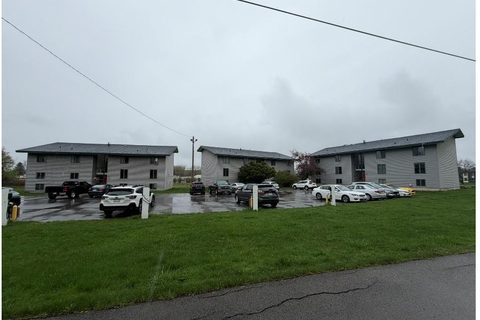
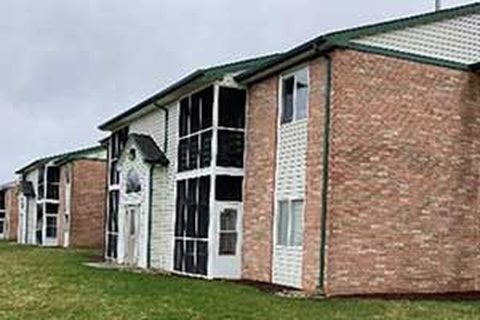
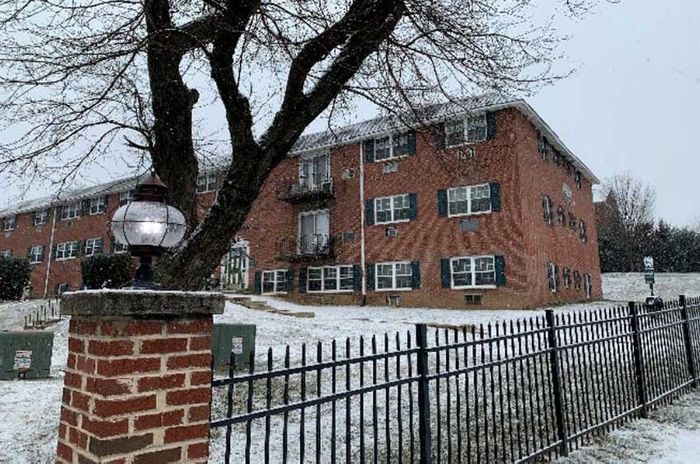
A sample of apartment and multifamily loans we have arranged for investors nationwide.
What Our Clients Say
“I am a veterinarian who purchased an existing practice. I was surprised to find a company that offered 100% financing at a good rate, with great terms and rates for medical office financing.”
Carol K. · Chicago, IL“I spoke to several commercial lenders before finding Select Commercial. They got me a lower rate and their service was exceptional. If you need a multifamily loan, you need to talk to Stephen.”
Nathan B. · Philadelphia, PA“Select Commercial was very helpful with my multifamily mortgage. Stephen went over several options and we came up with the best lender to meet my needs. I got the funds and also lowered my payments.”
Gary M. · Portland, OR“Select Commercial offered 100% financing for my medical practice when my bank would have required 20% down. They delivered something my bank could not, and handled everything professionally.”
John C. · Boston, MAGet Your Montana Apartment Loan Quote
No cost, no obligation. Written answers within 48 hours on Montana apartment loans from $1,500,000.
- No application or processing fees
- Written answers within 48 hours
- For 5+ unit and commercial properties, $1.5M and up