New Jersey Apartment Loan Rates
| NJ Apartment Loan Rates Less Than $6 Million | Free Loan Quote | ||
|---|---|---|---|
| Loan Type | Rate* | LTV | |
| Apartment Loan 5 Yr Fixed | 5.73% | Up to 80% | |
| Apartment Loan 7 Yr Fixed | 5.73% | Up to 80% | |
| Apartment Loan 10 Yr Fixed | 5.79% | Up to 80% | |
*Rates start as low as the rates stated here. Your rate, LTV, and amortization will be determined by underwriting.
Want a personalized quote? Click here to request a customized loan quote for your New Jersey apartment property.
Need a multifamily loan over $6 million? Visit our New Jersey multifamily loan page. For other commercial property types, explore our New Jersey commercial mortgage options. To compare all rates nationwide, see commercial mortgage rates.
2026 New Jersey Apartment Loan Market Overview
Entering 2026, New Jersey presents a high-density, supply-constrained apartment market supported by proximity to New York City and strong regional employment. For borrowers evaluating apartment loans, the state benefits from consistent renter demand driven by commuter populations, high incomes, and limited housing supply. This environment supports apartment building financing strategies focused on long-term occupancy, rent durability, and strong tenant profiles.
Development activity across New Jersey remains active but constrained by zoning, land availability, and high construction costs. As a result, vacancy levels remain relatively tight across many submarkets, particularly in transit-oriented areas. For apartment lenders, New Jersey offers an underwriting profile centered on location quality, tenant income, and long-term rent stability rather than rapid expansion.
Newark Anchors New Jersey Apartment Loans
Newark remains a primary driver of apartment activity in New Jersey. In 2026, the metro is projected to add approximately 20,000 jobs, deliver roughly 6,500 units, maintain vacancy near 5.2%, and reach average effective rent around $2,200 per month. For borrowers seeking an apartment building loan, Newark offers scale, transit connectivity, and strong renter demand.
Jersey City Reflects Premium Urban Demand
Jersey City represents one of the highest-demand apartment markets in the state, driven by direct access to Manhattan. The city has a population of approximately 300,000, median household income near $90,000, median rent around $3,200, and median home value near $650,000. These fundamentals support premium rent positioning and strong occupancy.
Paterson Adds Workforce Housing Demand
Paterson provides a workforce housing-focused apartment market within northern New Jersey. The city has a population of approximately 160,000, median household income near $45,000, median rent around $1,700, and median home value near $300,000. This supports steady renter demand and income-oriented investment strategies.
Rent Levels Reflect Income and Proximity to NYC
New Jersey maintains elevated rent levels driven by proximity to New York City and strong incomes. Newark is projected near $2,200 per month, while Jersey City commands significantly higher rents. This allows borrowers to structure apartment loans across premium urban and workforce housing strategies.
2026 New Jersey Apartment Loan Market Forecast
- Employment: Newark is projected to add approximately 20,000 jobs.
- Construction: Newark is projected to deliver roughly 6,500 units.
- Vacancy: Vacancy is projected near 5.2%.
- Rent: Average effective rent is projected near $2,200 per month.
For investors comparing apartment loans in New Jersey, 2026 reflects a market driven by income strength and supply constraints. Newark provides scale, while Jersey City and Paterson offer complementary opportunities across premium and workforce segments.
2026 Newark New Jersey Apartment Loan Market Overview
Newark is New Jersey's largest city and a core anchor for apartment loans in New Jersey, positioned at the intersection of the New York metro's most accessible transit corridors with direct PATH train service to Midtown and Lower Manhattan in approximately 20 to 25 minutes. The city has a population of approximately 320,622 residents as of 2026, growing at approximately 0.52% annually, and is overwhelmingly a renter city with approximately 85,699 renter-occupied households representing approximately 76% of all occupied housing units. The median property value is approximately $373,700 to $396,600 as of 2024, up approximately 8.17% year-over-year in 2023. Average apartment rent data shows a wide range reflecting Newark's stratified market: the average among larger purpose-built apartment buildings is approximately $1,713 to $1,741 per month, up approximately 5.12 to 7.1% year-over-year, while newly constructed and premium inventory in the Ironbound and Downtown corridors commands approximately $2,100 to $2,689 per month. Newark's transit connectivity, Rutgers and NJIT institutional anchors, and New York City proximity continue to drive demand for New Jersey apartment loans in the state's most urban market.
Newark New Jersey Apartment Loan Rates and Financing in 2026
Financing conditions for New Jersey apartment loans remain active in Newark in 2026, with lenders supporting transit-oriented development near Newark Penn Station and Broad Street Station, stabilized assets in the Ironbound and University Heights corridors, and value-add acquisitions in the city's extensive pre-war and mid-century rental inventory. The median property value of approximately $373,700 as of 2024 is approximately 38% above the national median despite the city's below-average household incomes, a testament to the location premium commanded by 20-minute PATH access to Manhattan. The New York-Newark-Jersey City metro median household income of approximately $93,610 reflects the broader labor market that anchors renter income capacity across Newark's diverse tenant base. For borrowers seeking an apartment building loan in Newark, the city's approximately 76% renter-occupied rate, exceptional transit access, and consistent rent growth of approximately 5 to 7% annually provide a strong and durable underwriting foundation within the broader New Jersey apartment building financing landscape.
Trends in the Newark New Jersey Apartment Market
Newark's rental market is anchored by three intersecting demand drivers. Transit-oriented demand centers on Newark Penn Station, one of the busiest rail hubs in the Northeast, serving PATH trains to Manhattan, NJ Transit commuter rail, Amtrak, and the Newark Light Rail, making the city the most accessible New York City-adjacent rental market in New Jersey. Institutional employment is anchored by New Jersey Institute of Technology, which awarded approximately 3,250 degrees in 2023, and Rutgers University-Newark, with approximately 3,239 degrees, together generating one of the largest urban university renter cohorts in New Jersey. Redevelopment investment is accelerating in the Ironbound neighborhood, the Military Park District, and along the Mulberry Street corridor, with significant new construction adding Class A inventory near transit hubs. Approximately 43% of Newark renters have no vehicle per household, confirming the structural transit orientation that anchors the market. The city's median age of approximately 34.7 years reflects a young workforce. These fundamentals continue to attract New Jersey apartment lenders evaluating the state's primary urban transit market.
Newark New Jersey Apartment Loan Rent Levels in 2026
The average apartment rent across Newark's larger institutional inventory is approximately $1,713 to $1,741 per month, up approximately 5.12 to 7.1% year-over-year. The median rent across all property types is approximately $2,100 per month. By unit type for purpose-built apartments: studios average approximately $1,332 to $1,988/month, one-bedrooms average approximately $1,687 to $2,205/month, two-bedrooms average approximately $2,039 to $2,689/month, and three-bedrooms average approximately $1,907 to $2,550/month. The North Ironbound neighborhood commands the highest rents at approximately $2,762/month for one-bedrooms, and the Newark Central Business District averages approximately $2,415/month. University Heights commands approximately $2,605/month as a premium submarket. The most affordable areas including Weequahic and Lower Vailsburg offer one-bedrooms from approximately $850 to $1,100/month, supporting workforce-tier underwriting for apartment loans in New Jersey across the full income spectrum.
Newark New Jersey Apartment Loan Supply and Demand in 2026
Newark carries an active supply pipeline driven by transit-oriented development near Newark Penn Station and the Downtown redevelopment zone, balanced by consistent absorption from the city's exceptionally large renter-household base of approximately 85,699 units. Approximately 46% of Newark's rental stock was built before 1970, with the pre-1939 vintage representing approximately 19% of all units, creating a deep inventory of value-add candidates at below-market acquisition costs relative to the New York metro. The city's homeownership rate of approximately 24% is among the lowest of any major New Jersey city, reflecting the structural rental dependency that provides consistent baseline demand regardless of homeownership market conditions. Two-bedroom units make up the largest share at approximately 33% of all units. For borrowers pursuing apartment building financing in New Jersey, Newark's 76% renter-occupied rate, active redevelopment pipeline, and unmatched transit connectivity support a balanced and growth-oriented underwriting environment.
Opportunities for Apartment Investment in Newark New Jersey
Investors pursuing a New Jersey apartment loan in Newark in 2026 are focused on growth and long-term appreciation near major transit nodes, value-add acquisitions in the Ironbound neighborhood and Mulberry Street corridor where premium rents of approximately $2,230 to $2,762/month for one-bedrooms reflect demand from New York City workers seeking more affordable but transit-accessible housing, and stabilized workforce-tier holds in Forest Hill and East Side Newark where rents of approximately $1,600 to $1,687/month deliver strong initial yields relative to Newark's lower acquisition costs versus Jersey City. The city's approximately 76% renter-occupied rate is the highest of any major New Jersey city, providing the most concentrated renter demand pool in the state. For New Jersey apartment lenders evaluating the state's primary transit-oriented urban market, Newark offers exceptional PATH connectivity, accelerating redevelopment investment, and a large institutional university-anchored renter base that supports strong long-term performance for apartment building loans throughout the metro.
2026 Jersey City New Jersey Apartment Loan Market Overview
Jersey City is New Jersey's second-largest city and the premier premium apartment market in the state for apartment loans in New Jersey, positioned directly across the Hudson River from Lower Manhattan with PATH train service providing some of the shortest New York City commutes of any Hudson County location. The city has a population of approximately 308,256 residents as of 2026, growing at approximately 2.5% annually, having grown approximately 12.3% from 2019 to 2024. The median household income is approximately $97,710 to $100,751, growing approximately 4.02% year-over-year, and the median property value is approximately $571,700 as of 2024. The median gross rent is approximately $2,182 as of 2024, and current market data as of April 2026 shows the median rent at approximately $2,745, approximately 42% above the national average. Larger purpose-built apartment buildings in the Downtown and Newport waterfront corridors average approximately $3,744 per month. Jersey City's financial district employment anchor, exceptional transit access, and Manhattan-alternative pricing continue to support active demand for New Jersey apartment loans in the state's highest-rent market.
Jersey City New Jersey Apartment Loan Rates and Financing in 2026
Financing conditions for New Jersey apartment loans remain active in Jersey City in 2026, with lenders supporting luxury and Class A waterfront assets in the Newport, Exchange Place, and Van Vorst Park corridors, mid-tier stabilized assets in the Journal Square and McGinley Square transit-oriented submarkets, and value-add acquisitions in the city's established Greenville and Bergen-Lafayette neighborhoods. The median property value of approximately $571,700 as of 2024, up approximately 6.88% year-over-year in 2023 and having grown more than fourfold since 2000's $137,900, creates extreme homeownership barriers that anchor the city's approximately 71% renter-occupied rate. The Exchange Place financial district contains approximately 18 million square feet of office space, making Downtown Jersey City the nation's 12th-largest downtown area and providing a massive on-site professional renter base. For borrowers seeking an apartment building loan in Jersey City, the city's above-average household incomes, consistent 2.5% annual population growth, and Wall Street West financial sector employment provide a premium and defensible underwriting foundation within the broader New Jersey apartment building financing landscape.
Trends in the Jersey City New Jersey Apartment Market
Jersey City's rental market is defined by its role as the premier Manhattan-alternative for financial services professionals, having attracted major Wall Street institutions to its Exchange Place waterfront district over the past three decades. Goldman Sachs, UBS, Citigroup, and JPMorgan Chase all maintain significant Jersey City operations, earning the district the designation "Wall Street West." The financial services, insurance, and real estate sector has seen approximately 500% growth in businesses since 1993. Employment grew approximately 1.88% year-over-year from 2022 to 2023, reaching approximately 157,000 workers. New Jersey City University awarded approximately 1,426 degrees in 2023, Hudson County Community College approximately 1,318 degrees, and Saint Peter's University approximately 972 degrees, adding young professional renter demand. The city's median age of approximately 34.7 years and adults between 25 and 44 making up approximately 40% of the population reflect a young financial professional demographic. Renters in this cohort report a median income of approximately $127,723. These fundamentals continue to attract New Jersey apartment lenders evaluating the state's premium waterfront market.
Jersey City New Jersey Apartment Loan Rent Levels in 2026
As of April 2026, the median rent across all property types in Jersey City is approximately $2,745 per month, approximately 42% above the national average. The average rent among larger purpose-built apartment buildings is approximately $3,744 per month as of February 2026. By unit type for purpose-built inventory: studios average approximately $2,798/month, one-bedrooms average approximately $3,428/month, two-bedrooms average approximately $4,605/month, and three-bedrooms average approximately $5,780/month. The Hudson Exchange neighborhood commands the highest rents at approximately $5,269/month for one-bedrooms, Newport averages approximately $4,366/month, and Van Vorst Park averages approximately $4,162/month. The most affordable submarkets including Hilltop and Greenville offer one-bedrooms from approximately $1,649 to $1,700/month, providing workforce-tier investment opportunities. Jersey City rents are approximately 94% above the national average for purpose-built inventory, supporting premium underwriting for apartment loans in New Jersey where Manhattan-commuter demand anchors durable premium pricing.
Jersey City New Jersey Apartment Loan Supply and Demand in 2026
Jersey City carries a vacancy rate of approximately 5.2 to 7.2% reflecting a market where a significant wave of new transit-oriented and luxury construction has added supply while demand from Manhattan-facing financial and professional workers remains consistent. The market has seen some softening in the luxury segment as new supply has outpaced high-end demand, with rents across all types declining approximately 10% year-over-year as of April 2026 on a median basis, creating selective acquisition opportunities at more favorable pricing than the 2022 to 2023 peak. The homeownership rate of approximately 28.8% is among the lowest of any major New Jersey city, structurally anchoring rental demand. Most people in Jersey City use public transit to commute, with an average commute of approximately 36.9 minutes, reflecting the city's deep integration with the New York City transit ecosystem. For borrowers pursuing apartment building financing in New Jersey, Jersey City's financial district employment anchor, consistent population growth, and ongoing redevelopment pipeline support a balanced long-term supply-demand outlook.
Opportunities for Apartment Investment in Jersey City New Jersey
Investors pursuing a New Jersey apartment loan in Jersey City in 2026 are focused on premium assets and long-term appreciation near the Exchange Place waterfront district where Goldman Sachs, UBS, and JPMorgan Chase operations anchor the world's highest-income professional renter base, value-add acquisitions in the Journal Square PATH corridor where transit-oriented redevelopment is driving above-average rent growth in a historically affordable submarket, and workforce-tier holds in Greenville and Bergen-Lafayette where rents of approximately $1,649 to $1,700/month for one-bedrooms deliver above-average initial yields on a lower acquisition cost basis. Jersey City's median household income grew from approximately $37,862 in 2000 to approximately $100,751 in 2024, more than doubling, reflecting the city's transformation into a world-class financial district. For New Jersey apartment lenders evaluating the state's premier waterfront market, Jersey City offers the highest rents in New Jersey, a Wall Street West financial anchor, and one of the most transit-connected locations in the Northeast, supporting strong long-term performance for apartment building loans throughout the metro.
2026 Paterson New Jersey Apartment Loan Market Overview
Paterson is New Jersey's third-largest city and the county seat of Passaic County, providing a concentrated workforce housing market that supports consistent demand for apartment loans in New Jersey, anchored by the New York metro labor market and a large, young, family-oriented renter base. The city has a population of approximately 161,030 residents as of 2026, growing at approximately 0.18% annually, with a median household income of approximately $55,997 and a median property value of approximately $360,100 as of 2024, approximately 37% above the national median. Approximately 36,614 renter-occupied households represent approximately 74% of all occupied housing units, making Paterson one of the highest renter-occupied cities in New Jersey. Current data points to an average apartment rent of approximately $1,696 per month, up 1.2% year-over-year, and a median rent across all property types of approximately $2,000. With a rental vacancy rate of approximately 2%, a near-zero buffer that confirms extreme structural demand, Paterson continues to support active demand for New Jersey apartment loans in the state's most densely occupied workforce housing market.
Paterson New Jersey Apartment Loan Rates and Financing in 2026
Financing conditions for New Jersey apartment loans remain favorable in Paterson in 2026, with lenders supporting income-focused assets in the city's workforce housing tiers, stabilized pre-war and mid-century inventory near NJ Transit rail and bus corridors, and value-add acquisitions in the city's substantial pre-1940 rental stock that trades at low per-unit acquisition costs relative to surrounding Passaic County communities. The median property value of approximately $360,100 as of 2024 is approximately 37% above the national median, reflecting the New York metro location premium despite below-average local incomes, and creating persistent homeownership barriers that anchor the city's extraordinary 74% renter-occupied rate. The HUD Fair Market Rent for Paterson ranges from approximately $1,778 to $3,618, providing a broad income-supported underwriting baseline. For borrowers seeking an apartment building loan in Paterson, the city's approximately 2% vacancy rate, large family renter base, and New York metro connectivity provide a consistent and durable underwriting profile within the broader New Jersey apartment building financing landscape.
Trends in the Paterson New Jersey Apartment Market
Paterson's rental market is defined by a large, family-oriented, immigrant-anchored renter base that generates some of the most stable and long-tenured occupancy profiles of any New Jersey city. Approximately 44.5% of Paterson residents were born outside the United States, one of the highest foreign-born shares of any New Jersey city, and approximately 62.8% identify as Hispanic or Latino, reflecting Central and South American communities that anchor the city's dense family household rental demand. Approximately 71% of all Paterson rental households are family households, with approximately 45% including children under 18, representing the highest family renter share of any major New Jersey city. The Passaic County labor market, anchored by Montclair State University with approximately 5,465 degrees in 2022 and William Paterson University with approximately 2,541 degrees, adds young professional demand across the county. The city's average commute of approximately 22.6 minutes and NJ Transit connectivity to New York City support consistent workforce renter demand. These fundamentals continue to attract New Jersey apartment lenders evaluating the state's workforce housing market.
Paterson New Jersey Apartment Loan Rent Levels in 2026
The average apartment rent in Paterson is approximately $1,696 per month, up 1.2% from $1,676 the prior year, and the median rent across all property types is approximately $2,000 per month. By unit type: studios average approximately $1,586/month, one-bedrooms average approximately $1,505/month, two-bedrooms average approximately $1,987/month, and three-bedrooms average approximately $2,729/month. Approximately 44% of all Paterson rentals are priced between $1,501 and $2,000 per month, the dominant pricing band. The Riverside neighborhood and Old Great Falls Historic District command the highest rents at approximately $2,039 to $2,200/month for one-bedrooms, while Downtown Paterson averages approximately $1,550/month, offering the best workforce-tier entry yields. Paterson's median monthly rent of approximately $1,457 is approximately 25% above the national average despite below-average local incomes, reflecting the New York metro premium on all northern New Jersey housing. These rent levels support consistent underwriting for apartment loans in New Jersey where the 2% vacancy rate and 74% renter-occupied rate anchor near-full occupancy on well-maintained assets.
Paterson New Jersey Apartment Loan Supply and Demand in 2026
Paterson operates with the tightest vacancy environment of any major New Jersey city at approximately 2%, with approximately 1.03 rental units per renter household, meaning essentially zero surplus inventory relative to renter demand. Approximately 58% of Paterson's rental stock was built before 1950, with pre-1939 vintage representing approximately 35% of all units and the 1940s approximately 11%, creating the largest concentration of pre-war workforce rental inventory in northern New Jersey. The median construction year of approximately 1953 reflects a city with deep, aged housing stock where well-maintained assets face virtually no competition from new supply, as only approximately 4.4% of units were built between 2010 and 2019 and approximately 0.6% since 2019. Two-bedroom units make up the largest share at approximately 40% of all units. For borrowers pursuing apartment building financing in New Jersey, Paterson's near-zero vacancy, chronic supply constraint, and large family renter base support a highly defensive and income-stable underwriting environment.
Opportunities for Apartment Investment in Paterson New Jersey
Investors pursuing a New Jersey apartment loan in Paterson in 2026 are focused on workforce housing and stable income from a large, multi-generational family renter base that generates some of the lowest turnover rates in New Jersey, value-add acquisitions in the city's extensive pre-war brick inventory near the Great Falls National Historical Park and Old Great Falls Historic District where repositioned units command approximately $2,200/month for one-bedrooms, and long-term holds in the Eastside and South Paterson corridors where rents of approximately $1,740 to $1,800/month for one-bedrooms deliver strong initial yields relative to the city's lower acquisition costs versus surrounding Passaic County communities. Paterson's approximately 2% vacancy rate is the most compelling occupancy indicator of any New Jersey city, ensuring near-zero downtime on well-managed assets. For New Jersey apartment lenders evaluating the state's workforce housing market, Paterson offers extreme supply constraint, a dominant family renter base, and New York metro connectivity that supports strong long-term performance for apartment building loans throughout the metro.
Why Choose Select Commercial for Apartment Loans
What sets Select Commercial apart from traditional lenders and large banks? In this short video, we highlight the key reasons apartment building investors choose to work with us for New Jersey apartment loans between $1.5 million and $6 million. We also actively finance multifamily loans exceeding $6 million.
Here’s what the video touches on:
- No upfront application or processing fees
- Fast written pre-approvals often within 24 hours
- Access to a wide range of apartment lenders, not just one bank
- Loan structures tailored to your property and investment goals
Apartment Property Types We Finance in New Jersey
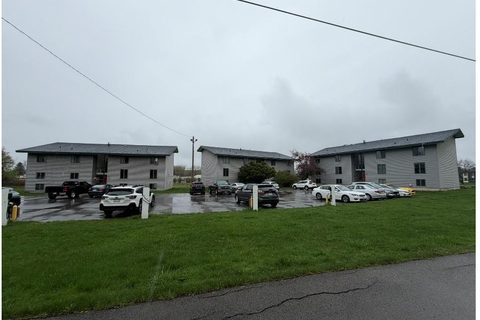
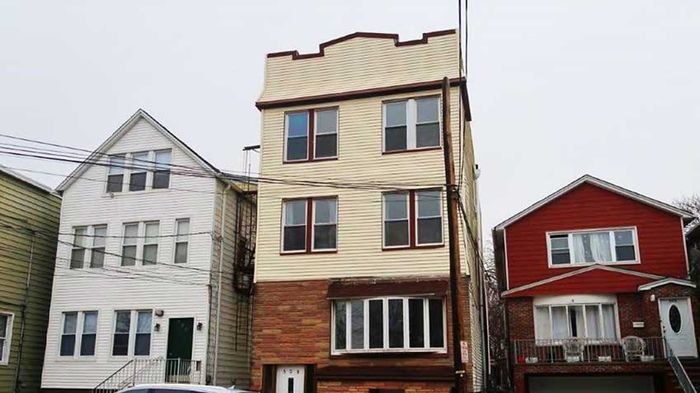
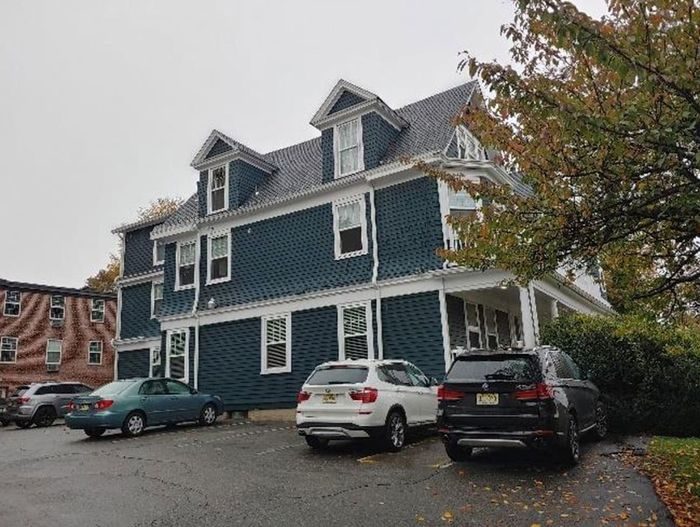
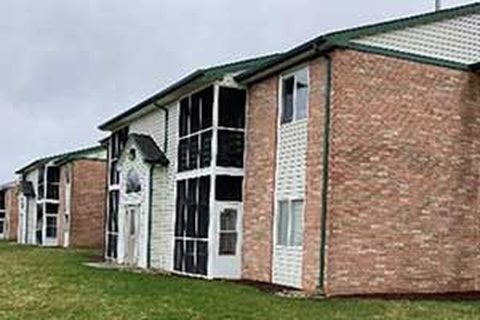
At Select Commercial, we arrange financing for a wide range of New Jersey apartment buildings, from smaller 5+ unit walkups to large portfolios of rental properties. Whether your property is urban, suburban, or mixed-use, we can help you secure the right loan structure based on your investment goals.
- Urban mid-rise and high-rise apartment buildings
- Suburban garden-style apartment complexes
- Small apartment buildings with 5+ units
- Mixed-use properties with residential and limited commercial space
- Underlying co-op apartment building loans
- Portfolios of small apartment or single-family rental properties
- Stabilized buildings with strong cash flow and rent history
If you're not sure whether your property qualifies, contact us for a free quote and we'll review your deal and let you know within 24 hours.
Recent Apartment Loan Closings
Why New Jersey Borrowers Choose Select Commercial
Thousands of apartment building investors trust Select Commercial for our direct, transparent approach and proven expertise in the New Jersey apartment loan market. We're not just brokers, we provide personalized service, fast answers, and access to top institutional lenders without the bureaucracy of traditional banks.
- Over 30 years of apartment loan experience with a national platform
- No upfront fees and fast pre-approvals, often within 24 hours
- Direct access to top lenders offering aggressive terms
- Dedicated support from quote to closing
Want to see why so many clients return to us for their next deal? Start with a free quote – we'll review your scenario and respond quickly.
Our Reviews
Latest Expert Insights from Stephen A. Sobin
Stephen A. Sobin, the president of Select Commercial Funding LLC, is a renowned expert in the field of multifamily financing. His insights and perspectives are regularly sought by leading industry publications. Here are his latest contributions that highlight his deep understanding of the multifamily financing landscape and his commitment to providing clear, insightful analysis on key industry issues.
Navigating Opportunity, Risk as 2025 Winds Down
In an article for Commercial Property Executive titled "Navigating Opportunity, Risk as 2025 Winds Down", Sobin explains as we head into the final stretch of 2025, the commercial real estate industry stands at a pivotal moment. After several years of upheaval—from pandemic disruptions to aggressive Federal Reserve rate hikes and lasting shifts in how people live and work—the sector is entering a new phase.
Why Lower Rates Haven't Fixed Commercial Real Estate
In an article for Wealth Management titled "Why Lower Rates Haven't Fixed Commercial Real Estate", Sobin explains that even as the Federal Reserve has begun cutting rates and borrowing costs should be falling, the commercial real estate sector remains locked in a frustrating stalemate. For high-net-worth investors trying to time the market, he emphasizes that understanding this disconnect requires looking beyond the headlines.
Why the Fed Rate Cut’s a Game Changer for CRE
In an article featured in Multi-Housing News, Stephen Sobin highlighted that after months of speculation and market anticipation, the Federal Reserve finally pulled the trigger last week, cutting the federal funds rate by 25 basis points to 4.00 to 4.25 percent. read the full article.
Inflation's Current Impact on Apartment
In an article featured in Multi-Housing News, Sobin explains how commercial mortgage rates continue to challenge investors, with elevated inflation depressing real estate market activity. Read the full article.
Will the July Jobs Report Pressure the Fed to Act?
Sobin noted in Multi-Housing News that unemployment hit a three-year high and job creation slowed significantly, factors that could push the Fed to reconsider future rate hikes. Read the full article.
Persistent Inflation and Its Effects on CRE
In an article featured in Multi-Housing News, Stephen Sobin highlighted that while inflation is still a challenge for the Federal Reserve, there are many positive signs for the commercial real estate industry. The headline Consumer Price Index rose 3.2 percent for the year ended Feb. 29, a figure 20 basis points lower than the Dec. 31, 2023, rate. read the full article.
Commercial Spotlight: Mid-Atlantic Region In this four-state powerhouse, smaller metros are thriving.
In a feature in Scotsman Guide, the Mid-Atlantic Region's real estate dynamics are explored, highlighting its resilience and growth amidst the pandemic.
Stephen Sobin of Select Commercial Funding LLC shared insights on the New York market's allure and the challenges buyers face. He noted the shift from primary urban areas to tertiary markets due to evolving preferences and financial conditions. For a deeper dive into Sobin's analysis, read the full article.
What the New Jobs Report Means for CRE
In an article titled "What the New Jobs Report Means for CRE" in Commercial Property Executive, Stephen Sobin shared his perspective on the latest jobs report and its implications for the Commercial Real Estate (CRE) sector. He highlighted the challenges posed by high interest rates and the prevailing uncertainty in the market. Sobin remarked, "Sellers aren’t selling, buyers aren’t buying... Everyone is waiting because no one knows what to expect." For a detailed analysis and more of Sobin's insights, read the full article.
Decoding "Junk Fees" in Rental Housing
In another latest contribution to Multi-Housing News, Sobin provided expert commentary in an article titled "What's Next for Junk Fees? The Industry Weighs In". He clarified the difference between legitimate fees collected for various third-party services and so-called "junk fees". Sobin emphasized the importance of borrowers understanding their rights in negotiating all loan terms and the obligation of lenders to disclose all fees.
Understanding the Impact of Federal Reserve's Decisions
In a recent article titled "How the Fed's Pause on Interest Rates Impacts Multifamily" published by Multi-Housing News, Sobin shared his expert insights on the Federal Reserve's decision to pause interest rate hikes. He accurately predicted that the Fed would not raise rates in June, citing recent bank failures and lingering concerns about a potential recession.
Stay tuned for more expert insights from Stephen A. Sobin on the evolving multifamily financing landscape.
Frequently Asked Questions About New Jersey Apartment Loans
New Jersey apartment loan rates vary depending on several factors such as loan-to-value ratio (LTV), property type, borrower experience, and market conditions. As of 2025, rates remain elevated due to ongoing inflation concerns, but borrowers with strong credit and high-quality assets can still find competitive pricing. Check our latest apartment loan rates for current updates.
Most lenders require a DSCR of at least 1.25, good borrower credit, net worth, liquidity, and experience. Loan-to-value ratios in 2025 typically range from 65% to 80%, due to elevated interest rates. Properties with strong occupancy and clean financials stand a better chance of qualifying.
Most lenders require 20% to 25% down for apartment loans in New Jersey. Your loan-to-value ratio will be subject to the property's debt service coverage ratio.
A qualified broker like Select Commercial can present your loan to many different capital sources, including banks, credit unions, CMBS, agency lenders, and private funds. This increases the odds of approval and helps you secure the most favorable terms available.
The process starts with gathering financials like a rent roll, trailing 12-month income and expense statement, borrower resume, and net worth statement. A mortgage broker will analyze your documents and match you with the best lending program. Start with a Free Quote today.
Absolutely. While this page focuses on apartment loans under $6 million, Select Commercial also arranges smaller balance loans for qualified borrowers. Visit our multifamily loan page for options over $6 million.
Agency Small Balance Apartment Loan Programs
Select Commercial connects borrowers with top-tier agency small balance loan programs in addition to bank and private capital options. Featured programs include:
- Fannie Mae® Small Loan Program – For apartment properties with 5+ units and loan sizes from $1 million to $6 million
- Freddie Mac® Small Balance Loan (SBL) Program – Streamlined financing solutions up to $6 million
- Loans Over $6 Million – Explore large-balance apartment loan programs in New Jersey
These agency-backed options offer competitive fixed rates, non-recourse terms, and simplified underwriting for qualified apartment investors.
New Jersey Apartment Building Financing
Select Commercial provides apartment building financing and New Jersey commercial mortgages throughout the state of New Jersey including but not limited to the areas below.