
Our Specialty
Apartment Building Loans and Apartment Complex Financing
Apartment loans are mortgages for income-producing properties with five or more residential units. As a leading apartment lender, Select Commercial arranges apartment building loans nationwide, helping investors purchase, refinance, or renovate apartment complexes and walk-up, garden-style, and mid-rise buildings, with rates as low as 6.44% (see rates below), up to 80% LTV, terms to 30 years, and no upfront fees. To see all of our loan program rates, visit today’s commercial mortgage rates.
Get a Free QuoteToday’s Apartment Building Loan Rates updated October 12, 2026
To see all of our loan program rates, visit today’s commercial mortgage rates.
| Loan Type | Rate* | Max LTV |
|---|---|---|
| 5 Year Fixed | 6.66% | Up to 80% |
| 7 Year Fixed | 6.75% | Up to 80% |
| 10 Year Fixed | 6.64% | Up to 80% |
Rates start at 6.44% for multifamily loans over $6 million.
Rates last updated October 12, 2026. Rates and maximum LTV shown represent our best-case pricing scenarios. Actual rates, LTV, and loan terms are subject to underwriting approval and may vary.
See Lower Rates for Loans Over $6 Million on our Multifamily Loan Page, Starting at 6.44% ›
Get My Free Rate QuoteApartment Building Loan Rates and Apartment Complex Loan Rates
Apartment building loan rates and apartment complex loan rates come off the same programs shown above, but the number you are actually quoted is set by the property, not by a published sheet. Five things move it more than anything else:
- Loan size. Apartment complex loans over $6 million reach agency large-balance execution and usually price below smaller apartment building loans, which sit in small-balance, bank and credit union programs.
- Term length. The 5-, 7- and 10-year fixed options are priced off different points on the curve, so the lowest apartment loan rates are not always on the longest term.
- Leverage. Pricing tightens as you come down from 80% LTV. The same building at 65% LTV is a different quote.
- Debt-service coverage. A property clearing 1.35x DSCR prices ahead of one that barely clears 1.20x, even at identical leverage.
- Condition and market. Deferred maintenance, a short operating history, or a thin submarket each cost basis points.
Because of that spread, the honest answer to “what are apartment complex loan rates today” is a range until someone underwrites your rent roll. We quote apartment building loans and apartment complex loans from $1,500,000 across the 48 contiguous states, with written terms inside 48 hours and no upfront fees.
Apartment Building Loans, Explained in Two Minutes
For more than 30 years, investors have trusted Select Commercial to structure apartment and commercial mortgages with competitive terms and straight answers.
- Access to Fannie Mae, Freddie Mac, banks, life companies, credit unions, HUD and CMBS
- No upfront application or processing fees
- Written pre-approvals within 48 hours
- Loans from $1,500,000 nationwide
Apartment or Multifamily, What’s the Difference?
They finance the same asset: buildings with five or more residential units. In practice, “apartment loan” usually refers to financing under $6 million and “multifamily loan” to larger balances over $6 million. Select Commercial arranges both, through agency, bank, life-company, bridge and CMBS programs.
Beyond smaller apartment buildings, Select Commercial arranges large-balance multifamily financing for 5+ unit properties with loan amounts over $6 million. We place these through Fannie Mae Multifamily, Freddie Mac Multifamily, banks, life companies, bridge lenders, and CMBS programs. See our full multifamily loan programs or request a quote.
Why Investors Choose Us for Apartment Building Loans
Select Commercial is a nationwide commercial mortgage broker with over 30 years of experience arranging apartment loans and apartment building financing for properties starting at $1.5 million.
- Access to top apartment lenders: We work with Fannie Mae, Freddie Mac, national banks, credit unions, private capital providers, and insurance companies.
- Competitive apartment loan rates: We offer bank, credit unions, HUD, bridge, and other apartment loan programs tailored to your property and investment goals.
- Simplified process and fast closings: Our team handles underwriting, lender selection, and packaging to help streamline your financing.
- Nationwide coverage: Loans are available across the 48 continental states for 5+ unit apartment buildings, co-ops, and rental communities.
We oversee every part of the apartment building loan process, from screening and underwriting through closing, so you can stay focused on your property.
Our Apartment Loan Benefits
- Apartment loan rates start as low as 6.44% (as of October 12, 2026)
- A commercial mortgage broker with over 30 years of lending experience
- No upfront application or processing fees
- Simplified application process
- Financing up to 80% LTV
- Terms and amortizations up to 30 years
- Long term fixed rates
- Loans for purchase and refinance, including cash-out
- 48 hour written pre-approvals with no cost and no obligation
Apartment Building Loans Starting at $1.5 Million
At Select Commercial, we specialize in apartment building and apartment complex loans with loan sizes starting at $1,500,000. Whether you are purchasing, refinancing, or looking to cash out, our apartment building loan programs are tailored for professional investors and property owners with five or more residential units. Our lending programs are ideal for:
- Apartment complexes with 5+ units in stable or growing markets
- Experienced landlords and real estate investors seeking competitive terms
- New acquisitions, refinances, or equity takeouts
- Apartment building financing for both stabilized and value-add properties
Agency Small Balance Apartment Loan Programs
Select Commercial connects borrowers with top-tier agency apartment loan options in addition to our network of private capital, banks, and credit unions.
- Fannie Mae® Small Loan Program: Designed for apartment buildings with 5 or more units. Loan sizes range from $2 million to $6 million.
- Freddie Mac® Small Balance Loan (SBL) Program: Streamlined underwriting for loans from $2 million to $10 million on stabilized multifamily properties.
- Loans Over $6 Million: For large-balance requests, explore our nationwide multifamily loan programs over $6 million.
These agency-backed options provide competitive fixed rates, non-recourse terms, and simplified documentation for qualified investors purchasing or refinancing apartment buildings.
Apartment Complex Loans and Refinancing: Where Do You Start?
A call we get every week sounds something like this: “I refinanced my apartment complex ten years ago. The loan is coming due, and I am not sure where to start.” It is a fair question. If your last refinance closed in 2015 or 2016, the market you are walking back into looks different. Rates are higher than the number written on your current note, lenders look harder at real cash flow, and the document list has grown. The process itself has not changed much, though, and a prepared borrower can still close in 30 to 60 days.
Start with your payoff picture. Pull your most recent mortgage statement and confirm the maturity date, the prepayment terms, and whether the loan carries yield maintenance or a step-down penalty. Refinancing a few months early sometimes costs less than letting a balloon payment force your hand. Next, gather the property records: a current rent roll, a trailing 12 month operating statement, and the last two years of expenses. Every apartment refinance is sized against the building’s net operating income, so those documents drive everything else.
Then compare programs, not just lenders. A stabilized apartment complex with steady occupancy may qualify for agency financing with a long fixed rate and non-recourse terms. Older complexes with deferred maintenance, or a rent roll still in transition, are often better served by a bank or bridge loan, with a plan to refinance again once the property stabilizes. Cash-out refinancing is available under most programs when you have the equity, whether the proceeds fund repairs, the next acquisition, or a partner buyout.
This is the work we do every day. We review your payoff, underwrite your numbers the way a lender will, and bring back written options within 48 hours, with no fee and no obligation. Loan sizes start at $1,500,000. Check today’s commercial mortgage rates, or request a free quote and we will map the refinance out from where you stand right now.
Loan Programs We Use for Apartment Building Financing
Every apartment loan we arrange is placed through one of these programs. Explore the options that fit your property and business plan:
Fannie Mae Multifamily
Agency loans with some of the lowest fixed rates for stabilized 5+ unit properties.
Freddie Mac Multifamily
Conventional and value-add agency execution for larger balances.
Freddie Mac SBL
Small Balance (SBL) program, from $2 million to $10 million.
FHA / HUD Multifamily
Long-term, fully amortizing, non-recourse financing.
CMBS Loans
Non-recourse conduit loans for stabilized apartment assets.
Bridge Loans
Short-term capital for acquisition, lease-up and repositioning.
Before You Apply: Can You Finance an Apartment Building Right Now?
 Written & reviewed by Stephen A. Sobin, President of Select Commercial Funding LLC
We would rather tell you this now than waste your time. We arrange apartment building loans across the country and we like helping investors get a first or second property done. But there are borrowers we are not able to help, and it is fairer to say so at the top of this guide than three phone calls in.
Here is the short version of what it takes:
- A loan of at least $1,500,000. This is a firm floor with no exceptions. It is not a preference, it is the smallest loan the lenders we work with will write.
- Five or more residential units. Fannie Mae, Freddie Mac and HUD all draw the line at five. A duplex, triplex or fourplex is a residential mortgage, not a commercial one.
- Roughly 20% to 35% down. Maximum leverage is 80% loan-to-value on the strongest agency files. Most borrowers land between 25% and 30%.
- Income that covers the debt with room to spare. Lenders size to a debt service coverage ratio of about 1.20x to 1.25x, meaning net operating income needs to exceed the mortgage payment by 20% to 25%.
- Cash left over after closing. Expect to need closing costs of 2% to 5% on top of the down payment, plus post-closing liquidity. Agency lenders commonly want to see nine to twelve months of debt service still in the bank.
If that is not where you are today, you are welcome to read the rest of this guide and we hope it is genuinely useful to you. We would only ask you to be straight with yourself about those numbers first, because a phone call will not change them. Our days go to borrowers who are in a financial position to move now, and we would rather point you somewhere better than take a call we cannot turn into a loan.
Who We Cannot Help, and Where to Go Instead
Four situations account for most of the calls we have to turn away. In every one of them there is a better place to take your deal, so here they are with the alternative.
You own or are buying one to four units
This is a residential mortgage, not a commercial one, and that is good news for you. Residential financing on a two-to-four unit property is cheaper, needs less down, and underwrites to your personal income rather than the building’s.
Go to: a residential mortgage broker or your bank’s consumer lending side. Ask specifically about a conventional investment property loan or an FHA loan if you will live in one of the units.
Your loan would be under $1,500,000
Not a judgment on the deal. Agency and conduit lenders simply do not write loans that small, because the fixed cost of an appraisal, environmental report and legal work does not scale down.
Go to: a community bank or credit union in the property’s own market. They will write a $500,000 loan on an eight-unit building and often at a good rate, because they already know the street it sits on.
You do not have a down payment
You will see no-money-down apartment financing advertised. We want to be plain about this: there is no conventional path to buying an apartment building with no money down. What is usually being described is either seller financing on a property that could not sell on the open market, or a hard money bridge loan in the 10% and up range that requires you to already hold equity elsewhere. Neither is a route to a first purchase, and both can cost you the property.
Go to: honestly, keep saving, or partner with someone who has the equity. We would rather tell you that than put you in a loan that fails.
The property is in Alaska or Hawaii
We lend across the 48 contiguous states and we are not licensed or active in those two markets.
Go to: a commercial mortgage broker licensed locally. Both markets have specialists who understand their lender set far better than any mainland broker will.
If none of the above applies to you, keep reading. The rest of this guide is the part that gets a loan closed.
Are You Financially Ready? A Six-Question Self-Check
Lenders do not just underwrite the building. They underwrite you alongside it. These are the six questions an agency underwriter will answer about you whether you have thought about them or not, so it is worth answering them yourself first.
1. Is the down payment liquid today?
Not equity in another property, not a line of credit you have not drawn, not a promise from a partner. Lenders verify the source of funds and will ask for two to three months of statements. Money that arrives by selling something else needs to arrive before you apply, not during underwriting.
2. Is your net worth at least the loan amount?
Agency lenders commonly want to see a borrower net worth equal to or greater than the loan they are writing. On a $2,000,000 loan that means roughly $2,000,000 of net worth across the borrowing group, which can be combined across partners and can include real estate equity.
3. Will you still have reserves after closing?
This is where first-time buyers most often fall short. After the down payment and the closing costs, lenders want to see post-closing liquidity, commonly nine to twelve months of principal and interest. A borrower who empties the account to close is a borrower who cannot absorb a bad quarter.
4. Can you document two years of income?
Personal and business tax returns, a current personal financial statement, and a schedule of real estate owned. If you are self-employed and your returns are written to minimize taxable income, say so early. It is workable, but it changes which lender we take you to.
5. Have you identified a specific property?
This is the biggest difference from buying a house. There is no meaningful commercial pre-approval without a property, because the loan is sized on that building’s income, not on your salary. We can tell you what you are likely to qualify for in general terms, but a real term sheet needs a real rent roll.
6. Who is going to manage it?
Lenders ask about apartment ownership and management experience, and a first-time buyer with no track record is a weaker file. The fix is straightforward: engage a professional property manager with apartment experience before you apply and name them in the package. It frequently makes the difference on a borderline file.
If you answered yes to all six, you are in better shape than most first-time applicants and we would like to hear from you. If you answered no to one, that is usually fixable in a few months and worth fixing before you apply rather than after a lender declines you. If you answered no to three or four, the honest advice is to wait, build the reserves, and come back.
Get a Written Quote in 48 Hours
No cost, no obligation, no upfront fees. Apartment loans from $1,500,000.
How to Get an Apartment Building Loan
Apartment financing moves through a few clear phases. Knowing each one helps you close faster and avoid the common delays.
Organize Your Financials
Gather your trailing-12-month operating statement, year-to-date P&L, current rent roll, and occupancy history. Lenders size every loan against your actual net operating income (NOI).
Know Your Key Metrics
Lenders underwrite to three: debt-service-coverage ratio (DSCR), typically 1.20 to 1.25x; loan-to-value (LTV), generally 65% to 80%; and debt yield, NOI divided by loan amount.
Select the Right Program
Agency (Fannie/Freddie) for stabilized assets with long-term fixed rates; FHA/HUD for maximum leverage; bridge for value-add and lease-up; CMBS for non-recourse flexibility.
Application & Term Sheet
We submit your request with the property package, size the loan, and issue a term sheet outlining rate, leverage, fees, and structure, including prepayment terms.
Underwriting & Reports
Formal underwriting begins with an independent appraisal, Phase I environmental, and property condition assessment. Underwriters verify income, expenses, and leases.
Rate Lock & Close
Agency and CMBS loans allow a rate lock once approved. Most apartment loans close in 30 to 60 days; FHA/HUD takes longer.
Apartment Property Types We Finance
We arrange financing across the full range of 5+ unit residential assets:
Who We Finance
We work with apartment building borrowers of every structure, on properties from five units and up:
- Individual investors and joint ventures
- LLCs, LPs and partnerships
- Corporations and S-corps
- Trusts and estates
- Family offices
Apartment Loans by State
Every state page below carries its own market data and the one local rule that most often changes a loan in that state. The short line under each link is what you will find there.
Northeast
Rent regulation is the defining variable here, and it is set locally rather than statewide in most of the region.
- ConnecticutConnecticut Fair Rent Commissions: What They Are and What They Are NotGrowth is broad and strongest in the middle of the state.Connecticut Apartment Loans ›
- MainePortland Has Rent Control. The Town Across the Bridge Does Not.The two most important numbers in Maine apartment lending in 2026 come from towns that share a bridge.Maine Apartment Loans ›
- MassachusettsMassachusetts Rent Rules and the Security Deposit TrapMassachusetts is one of the most expensive apartment markets in the country and one of the tightest, and in 2026 it is doing something unusual: values are rising while rents are not.Massachusetts Apartment Loans ›
- New HampshireIn New Hampshire the Assessed Value Is Not the Market ValueNew Hampshire is a small state with three apartment markets moving in three different directions, and they are all within an hour of each other.New Hampshire Apartment Loans ›
- New JerseyNew Jersey Rent Control Is Set Town by TownNew Jersey is the most locally regulated apartment market in the country outside New York, and that shapes a loan here more than any market statistic does.New Jersey Apartment Loans ›
- New YorkNew York Markets We FinanceNew York is the tightest apartment market in the country, and that shapes how every loan here underwrites.New York Apartment Loans ›
- PennsylvaniaPhiladelphia Transfer Tax and Abatements: What They Do to Your DealPennsylvania’s two large apartment markets are both tight, and both are watching their construction pipelines empty at the same time.Pennsylvania Apartment Loans ›
- Rhode IslandRhode Island’s Lead Law Is a Financing Issue, Not a FormalityAs of August 2026, average asking rent in Providence was $2,500, down 1.02% over the year.Rhode Island Apartment Loans ›
- VermontAct 250 Is a Diligence Item on a Vermont Apartment BuildingTwo things define Vermont apartment lending in 2026.Vermont Apartment Loans ›
Mid-Atlantic
Transfer and recordation taxes are charged on the loan itself in parts of this region, which puts real money on the closing statement.
- DelawareDelaware Just Reassessed for the First Time in DecadesThe most important thing happening to Delaware apartment buildings in 2026 is not the rent line.Delaware Apartment Loans ›
- MarylandMaryland Rent Rules Change by JurisdictionMaryland is two apartment markets with two different problems.Maryland Apartment Loans ›
- VirginiaVirginia Rent Rules and the 2027 Payment Plan RequirementVirginia is running in two directions at once in 2026, and the split is unusually clean.Virginia Apartment Loans ›
- West VirginiaWest Virginia’s Growth Market Is a Washington SuburbThe two fastest growing apartment markets in West Virginia sit at opposite corners of the state, and neither of them is the capital.West Virginia Apartment Loans ›
- Washington DCWashington, D.C. Submarkets We Financeis one of the few major American apartment markets where rents fell over the past year, and the reason is not a supply wave.Washington DC Apartment Loans ›
Southeast
Insurance has replaced interest rates as the line item that decides whether a deal pencils, and reassessment on sale is the common trap.
- AlabamaHow an Alabama Apartment File Actually UnderwritesAlabama has quietly become two different investment cases, and the split is between the state’s two largest cities.Alabama Apartment Loans ›
- FloridaWhat Insurance Costs Mean for Your Florida Apartment LoanSouth Florida never took the supply the I-4 corridor did.Florida Apartment Loans ›
- GeorgiaGeorgia Property Taxes and Insurance: Two Things to Get RightAtlanta overbuilt harder than almost anywhere in the Sun Belt, and 2026 is the year that ends.Georgia Apartment Loans ›
- KentuckyHow a Kentucky Apartment File Actually UnderwritesKentucky’s two apartment markets are close in price and close in growth, which makes the differences between them easy to miss and expensive to ignore.Kentucky Apartment Loans ›
- MississippiHow Mississippi Taxes an Apartment BuildingThe most expensive apartment market in Mississippi is not Jackson, and it is not on the coast.Mississippi Apartment Loans ›
- North CarolinaNorth Carolina Revaluations, Rent Rules and InsuranceNorth Carolina’s two big apartment markets sit at opposite ends of the same cycle, and which one your building is in matters more than anything else on this page.North Carolina Apartment Loans ›
- South CarolinaThe Seller’s Tax Bill Is Not Your Tax BillSouth Carolina’s four largest rental markets are close to reversing themselves.South Carolina Apartment Loans ›
- TennesseeTennessee Assessment Ratios and Rent RulesTennessee’s two big apartment markets have opposite problems, and confusing them is the fastest way to misprice a deal here.Tennessee Apartment Loans ›
Midwest
The most favorable assessment treatment in the country for apartment owners, and the deepest bench of local bank lenders.
- IllinoisWhat Cook County Property Taxes Mean for Your Illinois Apartment LoanChicago is quietly one of the better apartment markets in the country in 2026, and very few people outside the Midwest are saying so.Illinois Apartment Loans ›
- IndianaIndiana’s Property Tax Cap and Why Lenders Like ItIn a business where the tax line can quietly reprice a deal, that ceiling is worth real money, and it is set out further down this page.Indiana Apartment Loans ›
- IowaHow an Iowa Apartment File Actually UnderwritesIowa is one of the flattest and most predictable apartment markets in the country, and for a lender that is a compliment rather than a criticism.Iowa Apartment Loans ›
- MichiganMichigan Property Tax Uncapping: The Number Buyers Get WrongThe most important thing to understand about buying an apartment building in Michigan has nothing to do with rents.Michigan Apartment Loans ›
- MinnesotaTwo Cities, Two Rulebooks: Rent Regulation in the Twin CitiesMinnesota has a feature almost no other state does: two large cities in a single metro that have taken different positions on rent regulation.Minnesota Apartment Loans ›
- MissouriThe State Line Problem, and Why It Matters to Your LoanMissouri is the only state in the country whose two major apartment markets both spill across a state line, in opposite directions.Missouri Apartment Loans ›
- OhioOhio Cash Flow and the 2026 Reassessment YearOhio in 2026 is a yield market working through a supply wave, and both halves of that sentence matter when you go to borrow.Ohio Apartment Loans ›
- WisconsinHow a Wisconsin Apartment File Actually UnderwritesWisconsin’s two apartment markets produced almost identical rent growth in 2026 for completely different reasons, which is a useful thing to understand before you buy in either.Wisconsin Apartment Loans ›
Great Plains
Thin published market data means your own rent roll and operating history carry more weight here than anywhere else.
- KansasKansas Rent Rules and How a Low-Rent File UnderwritesKansas is the lowest-basis apartment market we lend in, and that single fact shapes everything about how a loan here is structured.Kansas Apartment Loans ›
- NebraskaThe Only All Public Power State, and Why It Shows Up in Your Operating StatementMost states give an apartment buyer a geographic decision to make.Nebraska Apartment Loans ›
- North DakotaNorth Dakota Has a State Owned Bank, and It Changes Who Can Lend to YouNorth Dakota is one of the few states where the apartment lending question is partly about who is allowed to lend rather than only about the building.North Dakota Apartment Loans ›
- OklahomaWeather, Energy and the Expense Line: How Oklahoma Files UnderwriteOklahoma is among the lowest-rent apartment markets in the country, and the two things that follow from that shape every loan here.Oklahoma Apartment Loans ›
- South DakotaBoth South Dakota Apartment Markets Run on a DecisionSouth Dakota’s two apartment markets have something unusual in common.South Dakota Apartment Loans ›
South Central
The largest construction wave in the country is receding, which changes what a lender will underwrite on forward rent.
- ArkansasA Renovation Can Cost You the Assessment CapArkansas is really two apartment markets, and the smaller one is the expensive one.Arkansas Apartment Loans ›
- LouisianaWhat Insurance Does to a Louisiana Apartment LoanEverything about financing an apartment building in Louisiana runs through one line on the operating statement, and it is not the rent.Louisiana Apartment Loans ›
- TexasDeliveries fall to under 35,000 units in 2026 from roughly 93,000Texas spent three years absorbing the largest apartment construction wave in the country, and 2026 is the year it recedes.Texas Apartment Loans ›
Mountain West
Property tax caps and valuation limits are common, and most of them reset or lapse when the property changes hands.
- ArizonaThe Arizona Rental Tax Repeal and What It Does to Your LoanPhoenix built too much, and then absorbed more of it in six months than in any comparable stretch on record.Arizona Apartment Loans ›
- ColoradoWhy Colorado Taxes Your Apartment Building Like a HouseDenver went through one of the deepest apartment corrections in the country, and 2026 is the year it turned.Colorado Apartment Loans ›
- IdahoIdaho Caps the District’s Budget, Not Your AssessmentIdaho is growing again, in nearly every market we track, and the one exception sits twenty miles from the state’s largest city.Idaho Apartment Loans ›
- MontanaIn Montana, Your Tax Rate Can Depend on a Form You FiledMontana has the widest spread between its apartment markets of any small state we cover, and in 2026 the three of them are moving in three different directions.Montana Apartment Loans ›
- NevadaHow a Nevada Apartment File Actually UnderwritesNevada is two apartment markets that are currently moving in opposite directions, and a lender treats them as such.Nevada Apartment Loans ›
- New MexicoNew Mexico Has No Rent Control. One Exception Decides Files.New Mexico is a small apartment market with an unusually wide spread inside it.New Mexico Apartment Loans ›
- UtahWhat a Supply Wave Does to a Utah Apartment FileUtah is one apartment market strung along one corridor, and in 2026 the corridor is pulling apart at both ends.Utah Apartment Loans ›
- WyomingA Fifteen Percent Rent Increase No Lender Will UnderwriteThe headline number in Wyoming this year is a fifteen percent rent increase, and the most useful thing we can tell you about it is not to underwrite from it.Wyoming Apartment Loans ›
West Coast
Statewide rent caps apply in all three states, each with its own formula and its own new-construction exemption.
- CaliforniaHow California Rent Rules Affect Your Apartment LoanCalifornia never had the construction wave that swamped the Sun Belt, and that shortage is what holds the floor under apartment values here.California Apartment Loans ›
- OregonOregon’s Statewide Rent Cap and What It Does to Your LoanOregon was among the first states in the country to cap residential rent increases statewide, and that cap is the first thing a lender establishes about an Oregon apartment building.Oregon Apartment Loans ›
- WashingtonWashington’s Rent Cap and What It Does to Your LoanTwo things changed the arithmetic on a Washington apartment loan, and neither of them is the interest rate.Washington Apartment Loans ›
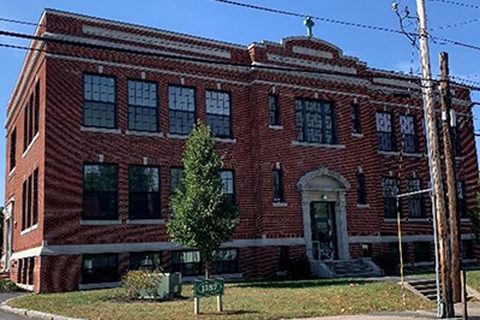
Recent Apartment Loan Closings
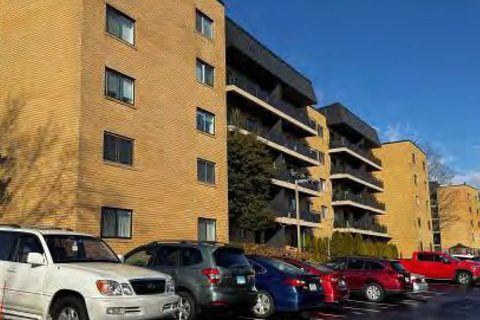
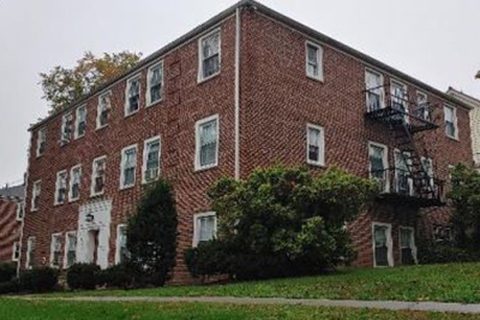
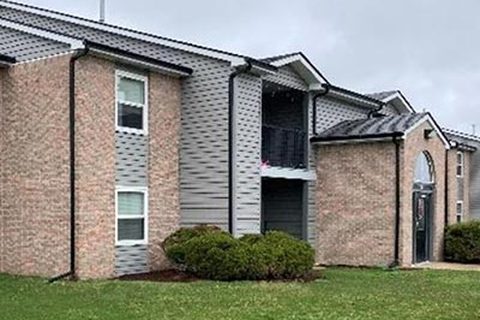
A sample of apartment loans we have arranged for investors nationwide.

What Our Clients Say
“I spoke to several commercial lenders before finding Select Commercial. They got me a lower rate and their service was exceptional. If you need a multifamily loan, you need to talk to Stephen.”
Nathan B. · Philadelphia, PA“I found selectcommercial.com and saw they specialized in apartment building loans. In the end, they were by far the best company I have used. Next time I know who to call first.”
Jerry T. · Long Island, NY“Select Commercial was very helpful with my multifamily mortgage. Stephen went over several options and we came up with the best lender to meet my needs. I got the funds and also lowered my payments.”
Gary M. · Portland, OR“As a real estate attorney, I trust that Select Commercial will deliver apartment building loans and commercial mortgages in a timely manner. The rates and terms offered are excellent. I heartily recommend them.”
David S. · New York CityGet a Free Apartment Loan Quote
No cost, no obligation. Written answers within 48 hours on apartment loans from $1,500,000.
- No application or processing fees
- Written answers within 48 hours
- For 5+ unit and commercial properties, $1.5M and up