
Maine
Maine Apartment Loans
Select Commercial arranges Maine apartment loans from $1,500,000, up to 80% LTV, with no upfront fees. Our lowest apartment rate today is 6.64% as of October 11, 2026. We compare Fannie Mae, Freddie Mac, FHA, bank and bridge programs to fit your property. For larger balances, see multifamily loans. See current rates on every loan type we offer.
Get a Free Quote2026 Maine Apartment Loan Market
The two most important numbers in Maine apartment lending in 2026 come from towns that share a bridge. Portland, the largest city in Maine, was essentially flat over the year. South Portland, immediately across the bridge from it, posted one of the strongest rent increases we have measured anywhere this year.
Where rents stand. As of August 2026, average asking rent in South Portland was $2,369, up 7.73% over the year. Portland was $1,960, up 0.24%. Those are RentCafe figures for professionally managed buildings of fifty units and up, measured on the same basis. We do not quote figures for Lewiston or Bangor here because RentCafe did not publish them on that basis at the time of writing, and a number without a basis is worse than no number.
We are not going to tell you what caused that gap, and neither should your lender. Portland operates a municipal rent control ordinance and South Portland does not, which is described in detail below. Whether that is the reason for the divergence, and how much of it, is a question that reasonable people argue about. What is not in dispute is the underwriting consequence, and it is the whole point of this page: two Maine apartment buildings a mile apart can be governed by entirely different rules, and a lender has to underwrite them as different assets. Anyone who hands you a single Maine rent trend is not describing the market you are buying in.
The Portland unit ladder is unusually compressed. As of August 2026 the bedroom spread in Portland ran about $1,733 for a studio, $1,963 for a one bedroom, $2,012 for two bedrooms and $2,249 for three. A two bedroom asked about forty nine dollars more than a one bedroom. That compression is worth understanding before you underwrite a unit mix, because the additional square footage, heating load and turnover cost of the larger unit are real while the rent premium is not. In most markets a two bedroom carries the building. In Portland it may not.
What that means for your file. Maine apartment loans are sized on demonstrated in place income at a coverage ratio, and two Maine specific items decide more files here than any market statistic: which municipality the building sits in and what that municipality regulates, and how the building is heated. Both are covered below.
Across Maine we arrange apartment building loans from $1,500,000 through agency, bank, FHA and bridge programs. Rate and leverage follow the rent roll and the trailing twelve months of operating income.
Maine Apartment Loan Rates
Rates updated as of October 11, 2026
| Loan Type | Rate* | Max LTV |
|---|---|---|
| 5 Year Fixed | 6.66% | Up to 80% |
| 7 Year Fixed | 6.75% | Up to 80% |
| 10 Year Fixed | 6.64% | Up to 80% |
- Cash-out refinances are acceptable
- Interest-only and non-recourse options
- Minimum 1.25x debt-service-coverage ratio
See Maine Multifamily Rates Over $6 Million, Starting at 6.44%
Rates last updated October 11, 2026. Rates and maximum LTV shown represent our best-case pricing scenarios. Actual rates, LTV, and loan terms are subject to underwriting approval and may vary.
Maine Markets We Finance
Maine’s apartment stock is concentrated in the southern part of the state, along the coast and in the older mill and river cities. Maine apartment stock is old by national standards, and that shapes almost everything about how it is financed.
Portland
The largest city in Maine and the center of its apartment market, at about $1,960 as of August 2026 and up 0.24% over the year. Portland runs on healthcare, the port, financial and professional services, a substantial food and hospitality economy and a growing technology and remote worker base. The building stock on the peninsula and in the older Maine neighborhoods is largely nineteenth and early twentieth century brick and frame, much of it converted, which puts the property condition report and the mechanical systems at the center of any Portland file. Portland also operates the rent control ordinance described below, which applies to the building rather than to the owner and does not go away when the property is sold.
South Portland, Scarborough, Falmouth and the ring
South Portland was the strongest market in Maine as of August 2026 at about $2,369 and up 7.73% over the year, and it is a different regulatory environment from the Maine city across the bridge. The surrounding communities of Cape Elizabeth, Scarborough, Falmouth, Westbrook and Gorham carry a mix of older stock and the newest apartment construction in the state. For a buyer comparing opportunities in the greater Portland area, the Maine municipal boundary is not a detail. It determines which rulebook applies to the rent roll, and it should be settled before an offer rather than during diligence.
Lewiston, Auburn, Brunswick and the mid-coast
The Androscoggin mill cities carry some of the oldest and densest apartment stock in Maine, much of it multi-unit wood frame from the textile era, at a basis per unit well below greater Portland. Going in yields are correspondingly high and these are community bank, credit union and small balance agency markets. The trade off is the building itself: this vintage of stock brings heating systems, wiring, roofing and envelope questions that a lender will price through the property condition report, and reserves come directly off the income used to size the loan. Brunswick and Bath sit between the mill cities and the coast, with shipbuilding and a former base redevelopment supporting demand.
Bangor, the north and the coast
Bangor anchors central and northern Maine on healthcare, regional retail and the state university system an hour south. It is the largest Maine market outside the southern coast. Along the coast, Rockland, Camden, Belfast, Ellsworth and Bar Harbor are seasonal economies where a meaningful share of housing serves visitors rather than year round renters, so the conventional apartment comparable set thins quickly and short term rental competition is a genuine factor in the analysis. These are small balance markets financed largely by Maine banks and credit unions, and an appraisal here benefits from being defended explicitly rather than assembled from whatever sold most recently.
Rent figures above are average asking rents across professionally managed buildings of fifty units and up as of August 2026. Where we do not yet have a dedicated apartment page for a Maine city, the link goes to our commercial mortgage page for that market.
Compare Maine Apartment Loan Programs
As a broker we compare every program for your best-fit Maine apartment financing:
| Program | Typical rate* | Max leverage | Best for |
|---|---|---|---|
| Fannie Mae Small Loan | 6.84% | Up to 80% | Non-recourse, fixed to 30 yrs |
| Freddie Mac SBL | 6.66% | Up to 80% | $2M to $10M small balance |
| FHA / HUD | 6.70% | Up to 85% | Highest leverage, longest term |
| Bank / portfolio | 6.50% | Up to 75% | Flexible, value-add |
| Bridge | 9.00% | Up to 80% LTC | Reposition, lease-up |
Most apartment lenders look for a debt-service-coverage ratio (DSCR) of at least 1.25x.
Rates last updated October 11, 2026. Rates and maximum LTV shown represent our best-case pricing scenarios. Actual rates, LTV, and loan terms are subject to underwriting approval and may vary.
Portland Has Rent Control. The Town Across the Bridge Does Not.
This is the single most important thing to establish about a Maine apartment building before you make an offer, and it is a question about the parcel rather than about the state. Rent regulation in Maine is municipal. Portland adopted a rent control ordinance by citizen initiative and administers it through a city Rent Board. Most other Maine municipalities do not regulate rents at all. The ordinance runs with the building, not with the current owner, so it survives your purchase.
How the Portland ordinance is built, as the City describes it. It applies to rental units in Portland, including short term rentals, unless exempt. The exemptions the City lists are landlord occupied buildings of two to four dwelling units, units whose rent is publicly controlled or subsidized, accessory dwelling units, property owned or operated by a governmental housing authority, accommodations in hospitals, convents, churches, religious facilities and extended care facilities, and dormitories operated by institutions of higher education or the public schools.
Note what that exemption list does not include. There is no exemption for a conventional investor owned apartment building of five units or more. The size based carve out is for owner occupied two to four unit property, which sits below the five unit threshold for the financing on this page in any case. If you are buying an apartment building in Portland, assume the ordinance applies and confirm rather than the reverse.
What the allowable increase is made of. The City describes an annual increase built from several components rather than a single number: a base percentage tied to the change in the Consumer Price Index for the Greater Boston metro area, an adjustment for actual property tax increases attributable to the units, an amount on a new tenancy, increases banked from prior years that went unused, and increases approved by the Rent Board on application. The Board hears applications based on capital improvements, uninsured repair costs, increased housing service costs, and a fair rate of return. There is an overall annual ceiling expressed against a base rent fixed to a date in 2020, and amounts above the ceiling may be banked forward.
Why every one of those pieces matters to an underwriter. A lender projecting income needs to know what growth the ordinance permits, and each component answers a different question. The index component sets the ordinary annual step. The tax component means a rising tax bill is partially recoverable, which is unusual and worth knowing given what property taxes do elsewhere. The new tenancy amount is a partial vacancy increase, so turnover has value here in a way it does not under every regime. Banking means a property that has not taken its full increases may have more headroom than the current rents suggest, and demonstrating that headroom with records is worth real money in a file. The Board application process is how a capital improvement plan gets converted into permitted income, and a value add case in Portland that ignores it is not a plan.
The procedural obligations are not optional and lenders check them. The City requires written advance notice of a rent increase well ahead of its effective date, stating the commencement date, the effective date and the reason, along with delivery of the City’s rental housing rights document and retention of signed acknowledgments for several years. A building collecting rents that were raised without the required notice has a problem that is an underwriting problem, not a paperwork problem, because the lawful rent may be lower than the rent roll shows.
What to do, and please do it this way. Maine ordinances get amended, the figures move, and the version in force when you buy is the one that governs you. Do not work from a summary you read online, including this one. Before you go under contract, confirm three things directly with the City of Portland: whether the building is covered, what the current permitted increase and its components are, and what your banked position and notice history look like on the existing rents. Bring that confirmation to the lender with the rent roll. In every other Maine municipality, confirm in writing that no local rent regulation applies, which is usually a short answer and worth having in the file.
Financing Options in Maine
Maine apartment, multifamily and commercial properties each have dedicated financing. Pick the page that matches your property:
Financing more of the state? See Maine commercial mortgages.
Financing in another state? Explore our apartment loans, multifamily loans and commercial mortgages nationwide.
Heating Oil Is a Maine Underwriting Question
Maine heats differently from the rest of the country, and it goes straight into the expense line. The State of Maine’s own energy profile puts the share of Maine households relying on fuel oil as their primary heat source at roughly half, down from about seventy percent in 2010, and states that Maine consumes more residential heating oil per capita than any other state, well ahead of the rest of New England. Electricity used for heating has risen significantly as heat pumps have been adopted.
Why an oil heated building underwrites differently. Natural gas and electric heating costs move, but they move through regulated or contracted rate structures. Maine oil does not. Delivered heating oil is a commodity purchased at market, and its cost can move a great deal within a single heating season. In a Maine apartment building where the owner pays heat, that volatility sits entirely on the owner’s side of the ledger, in a Maine climate where the heating season is long. A lender looking at one year of oil expense in a mild winter with soft prices is looking at a number that may not repeat. Expect the expense to be stressed, and expect a request for more than twelve months of history.
The metering question is worth more here than almost anywhere. A building where each unit has its own heating system and the tenant buys their own oil or runs their own heat pump carries a structurally lower and far more predictable expense ratio than a building on a central oil fired system with heat included in rent. That difference flows directly into net operating income and therefore into the loan amount. It also affects marketability, because a tenant paying their own heat is comparing your rent against a different total cost of occupancy than one who is not. If your building is separately heated or separately metered, put it in the first paragraph of the submission.
Heat pump conversions are a real underwriting item now, in both directions. A building converted from oil to heat pumps has a different, generally more stable expense profile and a documented capital improvement, and in Portland a capital improvement is potentially relevant to the Rent Board process described above. It also introduces an electric load the building may not have carried before, so the service capacity and the electrical work should be documented. A Maine building that has not converted is not a problem, but it should be presented with honest oil history rather than a normalized figure.
What to send. Two full heating seasons of actual fuel and utility billing rather than one, a plain statement of who pays for heat and how each unit is heated, the age and type of the heating equipment, and documentation of any conversion or major mechanical work. On older Maine stock, also expect the property condition report to look hard at the envelope, the roof and the mechanicals, and expect the reserve number that comes out of it to reduce the income used for sizing. A tank, boiler or roof replaced recently is a document worth putting in the file rather than leaving for the walkthrough.
Maine Apartment Loan Types We Serve
We arrange financing across Maine for:
- Urban high-rise apartment buildings
- Suburban garden apartment complexes
- Small apartment buildings with 5+ units
- Underlying cooperative apartment loans
- Portfolios of small apartment and rental properties
- Mixed-use and other multifamily property
Refinancing a Maine Apartment Building
Maine refinances are sized on coverage in almost every case, and they turn on three things: what the rents lawfully are, what heat costs, and what the building’s age implies for reserves.
The rent roll and the trailing twelve months. Proceeds are set by in place income at a debt service coverage ratio near 1.25x. Send twelve full months of actuals covering a complete Maine heating season, not an annualized partial year.
Your position under the local ordinance, if the building is in Portland. This belongs in a Maine refinance file the way a tax bill belongs in a Nebraska one. A lender needs to know what income growth it may credit and whether the rents being collected are the rents permitted. If you have banked increases you have not taken, document them, because that is headroom a lender can see. If your notice records are complete, say so. A property collecting above a permitted rent is a genuine underwriting problem rather than a technicality, and it is far better found by you than by the lender’s counsel.
Fuel and utility history. Two heating seasons rather than one, and a clear statement of the metering and who pays. This single item probably moves Maine apartment loan amounts more than any other document a Maine borrower controls.
The age of the building. Maine apartment stock skews old, particularly in Portland and the mill cities, and a property condition report on nineteenth or early twentieth century construction will find things. In Maine, roofs, heating plant, wiring, windows and the exterior envelope drive the reserve number, and reserves come off the income used to size the loan. Capital work completed in the last several years is worth documenting with invoices rather than described in a sentence.
Cash out is available and is sized the same way. Agency, bank, credit union and life company lenders will all consider cash out on a stabilized Maine apartment property. The constraint is the coverage math, not the program. Owners in greater Portland who have held for several years frequently have more available than they expect, and the fastest way to find out is to send the rent roll and the trailing twelve months.
Other Property & Loan Types We Finance in Maine
As a full-service commercial mortgage broker, we arrange Maine financing across every major property and loan type:
We consider commercial loan requests of all sizes, beginning at $1,500,000.
Maine Apartment Complex Financing
In Maine, loan size decides who competes. Smaller balances usually price best with Maine banks, credit unions and the agency small balance programs, where knowing the municipality, the ordinance position and the building stock counts for a great deal. Larger balances open the field to Fannie Mae, Freddie Mac, FHA, life companies and CMBS, and rates there are frequently tighter because the loan is large enough to securitize. The trade is a heavier package: full appraisal, property condition report, environmental review, and sizing driven by net operating income, debt service coverage and debt yield.
Maine apartment lenders settle two questions before most others: which municipal rules govern the rents, and what heating the building actually costs and who pays for it. Answer both with documents and the file moves quickly. Send the rent roll and the trailing twelve months and we will tell you which lenders are sharpest on your property.
Maine Multifamily Loan Rates
For larger balances, over $6 million
Recent Apartment Loan Closings
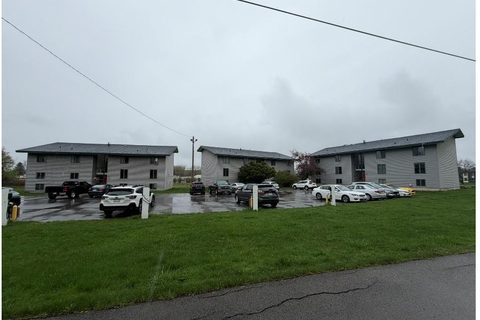
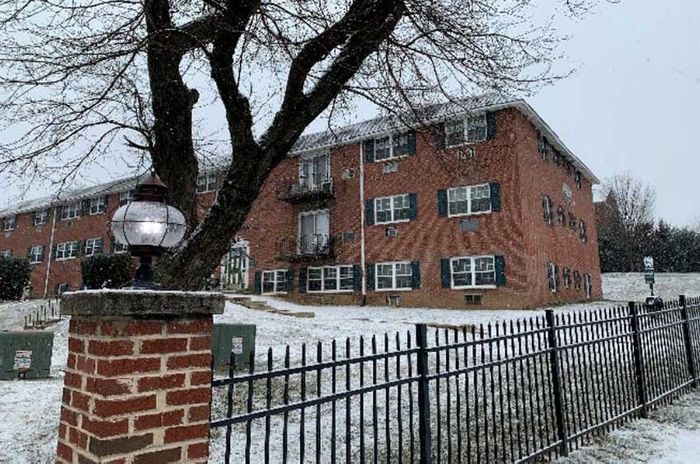
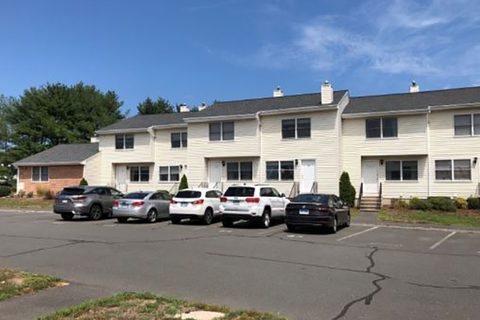
A sample of apartment and multifamily loans we have arranged for investors nationwide.


Apartment Loans Across Maine
We arrange apartment loans throughout Maine, not only in greater Portland. South Portland, Westbrook, Scarborough, Falmouth, Gorham, Biddeford, Saco, Lewiston, Auburn, Brunswick, Bath, Augusta, Waterville, Bangor and the coastal communities are financed through the same agency, bank, credit union and FHA programs. What changes from one Maine municipality to the next is whether local rent regulation applies, how the building is heated and how deep the comparable set runs.
For larger balances see our Maine multifamily loans. For office, retail, industrial and owner occupied property see Maine commercial mortgages, and nationwide we lend in most major U.S. cities.
What Our Clients Say
“I am a veterinarian who purchased an existing practice. I was surprised to find a company that offered 100% financing at a good rate, with great terms and rates for medical office financing.”
Carol K. · Chicago, IL“I spoke to several commercial lenders before finding Select Commercial. They got me a lower rate and their service was exceptional. If you need a multifamily loan, you need to talk to Stephen.”
Nathan B. · Philadelphia, PA“Select Commercial was very helpful with my multifamily mortgage. Stephen went over several options and we came up with the best lender to meet my needs. I got the funds and also lowered my payments.”
Gary M. · Portland, OR“Select Commercial offered 100% financing for my medical practice when my bank would have required 20% down. They delivered something my bank could not, and handled everything professionally.”
John C. · Boston, MAGet Your Maine Apartment Loan Quote
No cost, no obligation. Written answers within 48 hours on Maine apartment loans from $1,500,000.
- No application or processing fees
- Written answers within 48 hours
- For 5+ unit and commercial properties, $1.5M and up