
Washington, D.C.
Washington, D.C. Apartment Loans
Select Commercial arranges Washington, D.C. apartment loans from $1,500,000, up to 80% LTV, with rates as low as 6.44%. We compare Fannie Mae, Freddie Mac, FHA, bank and bridge programs to fit your property. For larger balances, see multifamily loans. See current rates on every loan type we offer.
Get a Free QuoteFinancing Options in Washington, D.C.
Washington, D.C. apartment, multifamily and commercial properties each have dedicated financing. Pick the page that matches your property:
Financing more of the state? See Washington, D.C. commercial mortgages.
Financing in another state? Explore our apartment loans, multifamily loans and commercial mortgages nationwide.
Washington, D.C. Apartment Loan Rates
Rates updated as of October 14, 2026
| Loan Type | Rate* | Max LTV |
|---|---|---|
| 5 Year Fixed | 6.66% | Up to 80% |
| 7 Year Fixed | 6.75% | Up to 80% |
| 10 Year Fixed | 6.64% | Up to 80% |
- Cash-out refinances are acceptable
- Interest-only and non-recourse options
- Minimum 1.25x debt-service-coverage ratio
See Washington, D.C. Multifamily Rates Over $6 Million, Starting at 6.44%
Rates last updated October 14, 2026. Rates and maximum LTV shown represent our best-case pricing scenarios. Actual rates, LTV, and loan terms are subject to underwriting approval and may vary.
Compare Washington, D.C. Apartment Loan Programs
As a broker we compare every program for your best-fit Washington, D.C. apartment financing:
| Program | Typical rate* | Max leverage | Best for |
|---|---|---|---|
| Fannie Mae Small Loan | 6.80% | Up to 80% | Non-recourse, fixed to 30 yrs |
| Freddie Mac SBL | 6.66% | Up to 80% | $2M to $10M small balance |
| FHA / HUD | 6.70% | Up to 85% | Highest leverage, longest term |
| Bank / portfolio | 6.50% | Up to 75% | Flexible, value-add |
| Bridge | 9.00% | Up to 80% LTC | Reposition, lease-up |
Most apartment lenders look for a debt-service-coverage ratio (DSCR) of at least 1.25x.
Rates last updated October 14, 2026. Rates and maximum LTV shown represent our best-case pricing scenarios. Actual rates, LTV, and loan terms are subject to underwriting approval and may vary.
2026 Washington, D.C. Apartment Loan Market
Washington, D.C. is one of the few major American apartment markets where rents fell over the past year, and the reason is not a supply wave. It is what has been happening to the employment base the city was built on.
Where rents stand. As of August 2026, average asking rent in Washington, D.C. was $2,446, down 3.77% over the year from $2,542. That is a RentCafe figure for professionally managed buildings of fifty units and up. The bedroom spread ran about $1,821 for a studio, $2,302 for a one bedroom, $3,090 for two bedrooms and $3,671 for three, with the largest single share of Washington, D.C. rentals, twenty seven percent, falling between $2,001 and $2,500 a month.
The federal employment picture is the context and a lender will already know it. What is happening in Washington, D.C. is the same thing our Maryland and Virginia pages describe on the suburban side of the metro, and it does not stop at the District line in either direction. An underwriter reading a Washington, D.C. apartment file in 2026 is not pricing rent growth into it. It is asking what the building collects, how steady that has been, and how exposed the specific tenant base is.
The spread inside the city is enormous and it is the part out of town buyers underestimate. As of August 2026 the least expensive Washington, D.C. neighborhoods were asking in the $1,300s while the most expensive were near $3,900, close to a threefold range inside a city you can cross in half an hour. Washington, D.C. is not one apartment market and a citywide average describes very few individual buildings. A rent comparable drawn from the wrong side of the city is not a comparable at all, and this is the single most common weakness we see in appraisals here.
What that means for your file. Washington, D.C. apartment loans are sized on demonstrated in place income at a coverage ratio. The item that decides more Washington, D.C. transactions than any market number is not rent regulation, though that matters too. It is the tenant purchase right that attaches to a sale, and it is set out below.
Across Washington, D.C. we arrange apartment building loans from $1,500,000 through agency, bank, FHA and bridge programs. Rate and leverage follow the rent roll and the trailing twelve months of operating income.
Washington, D.C. Submarkets We Finance
Washington, D.C. is small enough to be treated as one market and varied enough that doing so produces a wrong answer. These four Washington, D.C. groupings behave very differently from one another on rent, on stock and on what a lender will want to see.
Downtown, the West End, Penn Quarter and the central business district
The most expensive part of Washington, D.C., with the West End and Penn Quarter among the highest asking rents in the city as of August 2026. This is where the newest and most institutional apartment product sits, alongside conversions of older commercial buildings. Two things shape a file here. The tenant base is heavily professional and federal or federal adjacent, which is exactly the exposure an underwriter will want addressed rather than assumed. And with office to residential conversion activity in the central business district, comparable selection needs care, because a converted building and a purpose built one can carry very different operating profiles at similar rents.
Capitol Hill, Navy Yard, H Street and the near Northeast and Southeast
Capitol Hill sits among the higher asking rents in Washington, D.C., and the corridor running from Navy Yard through H Street carries a large share of Washington, D.C.’s newer purpose built apartment stock. Rowhouse and small building product is common on the Hill itself, much of it older, which brings the property condition report and the mechanical systems to the center of the underwriting. The newer product along the waterfront and the H Street corridor is more conventional and more familiar to national lenders.
Columbia Heights, Petworth, Shaw and upper Northwest
The broad middle of the Washington, D.C. market by rent and the deepest part of it by unit count, running from the older apartment corridors along 16th Street and Connecticut Avenue through the rowhouse neighborhoods east of Rock Creek Park. This is where a great deal of Washington, D.C.’s pre war and mid century apartment stock sits, and where the rent regulation and tenant purchase questions described below are most likely to be live because of the age and size of the buildings. It is also where the most attractive risk adjusted opportunities in the city usually are, for a buyer prepared to do the diligence properly.
East of the river: Anacostia, Congress Heights and the far Northeast and Southeast
The most affordable part of Washington, D.C. by a wide margin, with neighborhoods asking in the $1,300s as of August 2026 against a citywide average of $2,446. Basis per unit is a fraction of the western half of Washington, D.C. and going in yields are correspondingly high. These files are financed regularly, and often well, but they are underwritten on a longer operating history, they attract closer attention to collections and turnover, and the comparable set has to be drawn from the same side of the river rather than from a citywide average. Agency small balance and bank capital are both active here.
Rent figures above are average asking rents across professionally managed buildings of fifty units and up as of August 2026. For office, retail, industrial and owner occupied property in Washington, D.C. see our Washington, D.C. commercial mortgages.
TOPA After the 2025 RENTAL Act: Which D.C. Sales Still Carry Timing Risk
The Tenant Opportunity to Purchase Act is the single most important thing to understand about buying or selling an apartment building in Washington, D.C., and it has no real equivalent in any state we lend in. It is not a Washington, D.C. tax rule or a rent rule. It goes to whether your transaction closes, and when.
What it does, in outline. When the owner of a rental housing accommodation in the District wants to sell, the tenants must be given an opportunity to purchase the property before it can be sold to a third party. Washington, D.C. administers the framework through its housing agencies, and the Office of the Tenant Advocate runs education and technical assistance for tenants, with separate processes depending on whether the building has a single unit, two to four units, or five or more. For a buyer, the practical consequence is that the seller cannot simply accept your offer and proceed. A statutory Washington, D.C. process has to run first, and tenants in a building of any size have rights within it.
Why it reaches the loan and not just the contract. Rate locks expire. Loan applications have shelf lives. Appraisals and property condition reports go stale. Interest rate protection costs money. A process that can add months to a closing, or end with the property being sold to someone else entirely, is a financing problem as much as a legal one, and it is the reason experienced Washington, D.C. lenders ask about the tenant purchase position before they ask about almost anything else. A buyer who arrives with the process already run, or with a clear and dated account of where it stands, is in a completely different position from one who has not addressed it.
And the law changed recently, which is the most important sentence on this page. In September 2025 the Council of the District of Columbia passed the RENTAL Act, which made significant changes to TOPA. As described by counsel writing on it at the time, the changes included new exemptions, among them an exemption from the offer of sale requirement for recently constructed buildings, with a notice of transfer still required; exemptions covering certain transfers of investor interests where control is unchanged and certain transfers to heirs; and an exemption for two to four unit properties in defined ownership circumstances. The process itself was also changed, with a cooling off period before a tenant organization may assign its rights, a new certification requirement for purchasers intended to demonstrate capacity and compliance, and a requirement that development agreements be filed with the District within a set period to be enforceable.
Here is what we are not going to do. We are not going to tell you what the operative rules are today. The advisory describing the RENTAL Act recorded it as still pending Mayoral approval, congressional review and publication in the District of Columbia Register at the time it was written, and we have not independently verified where that process now stands. Anyone working from a pre 2025 TOPA summary is working from superseded material, and anyone working from a summary of the 2025 changes, including this one, is working from a description of legislation rather than from the law as it currently applies to their building.
So do this instead, and do it early. Engage District of Columbia counsel who does TOPA work before you go under contract, not after. Ask three things: what the current requirements and timelines are as they apply to a building of this size today; whether any exemption applies to this specific property and transaction structure; and what the realistic timetable to closing looks like on that basis. Then build your rate lock, your loan application and your closing schedule around that timetable rather than around a standard one. While you are with counsel, cover the building’s position under the District’s rent stabilization regime in the same conversation, since coverage and exemption there turn on the building’s age, size and registration history and a lender will want that settled too.
The reason to take this seriously is that it is entirely manageable. Apartment buildings trade in Washington, D.C. constantly and are financed here constantly. Washington, D.C. is an active and liquid apartment market. What separates the Washington, D.C. transactions that close on schedule from the ones that fall apart is almost never the property. It is whether the tenant purchase process was treated as the first item of diligence or the last.
Refinancing a Washington, D.C. Apartment Building
Refinancing is the simpler half of the Washington, D.C. business, and materially simpler than buying, because a refinance does not trigger the tenant purchase process that a sale does. If you own here and you are weighing a sale against pulling equity out, that asymmetry belongs in the comparison.
The rent roll and the trailing twelve months. Proceeds are set by in place income at a debt service coverage ratio near 1.25x. In a market where rents have moved backward over the past year, send twelve full months of actuals and be straightforward about concessions if you are granting them. A lender that finds a concession itself will assume there are others.
Your position under the District’s rent regulation, if the building is covered. A lender needs to know what income growth it may credit and whether the rents being collected are the rents the building is entitled to collect. Bring the registration and exemption position rather than describing it. A property collecting above a permitted rent is an underwriting problem rather than a technicality, and it is far better found by you than by the lender’s counsel.
The tenant base, addressed directly. Given what has been happening to federal employment across this metro, a Washington, D.C. file that says nothing about tenant exposure invites an underwriter to assume the worst version. If your rent roll is diversified across employers and sectors, show it. If it is concentrated, say so and show what collections and renewals have actually done.
The age of the building. A large share of Washington, D.C. apartment stock is pre war or mid century. Roofs, heating plant, wiring, windows, masonry and the envelope drive the reserve number, and reserves come directly off the income used to size the loan. Capital work completed in the last several years belongs in the file with invoices rather than in a sentence.
Cash out is available and is sized the same way. Agency, bank, credit union and life company lenders will all consider cash out on a stabilized Washington, D.C. apartment property. The constraint is the coverage math, not the program. Owners who have held for a long period frequently have far more equity available than they expect, and the fastest way to find out is to send the rent roll and the trailing twelve months.
Washington, D.C. Multifamily Financing
Apartment loan and multifamily loan describe the same debt: financing secured by a building with five or more residential units. We arrange it across Washington, D.C., from a small pre war walk up to an institutional downtown asset, and the terminology has no effect on how the file is underwritten.
In Washington, D.C., loan size decides who competes. Smaller balances usually price best with regional banks and the agency small balance programs, where familiarity with the submarket, the building stock and Washington, D.C.’s regulatory process counts for a great deal. Larger balances open the field to Fannie Mae, Freddie Mac, FHA, life companies and CMBS, and multifamily loan rates there are frequently tighter because the loan is large enough to securitize. The trade is a heavier package: full appraisal, property condition report, environmental review, and sizing driven by net operating income, debt service coverage and debt yield.
Washington, D.C. multifamily lenders settle two questions before most others, and neither is about the rent trend: where the transaction stands on the tenant purchase process, and what the building’s position is under the District’s rent regulation. Answer both with documents and the file moves. Send the rent roll and the trailing twelve months and we will tell you which multifamily lenders are sharpest on your property, and what multifamily financing looks like at that size.
Washington, D.C. Apartment Loan Types We Serve
We arrange financing across Washington, D.C. for:
- Urban high-rise apartment buildings
- Suburban garden apartment complexes
- Small apartment buildings with 5+ units
- Underlying cooperative apartment loans
- Portfolios of small apartment and rental properties
- Mixed-use and other multifamily property
Apartment Loans Across Washington, D.C.
We arrange apartment loans throughout Washington, D.C., in every quadrant and every ward. Downtown and the West End, Capitol Hill, Navy Yard and the H Street corridor, Columbia Heights, Petworth, Shaw, Adams Morgan, upper Northwest, and the neighborhoods east of the Anacostia are all financed through the same agency, bank and FHA programs. What changes from one part of Washington, D.C. to the next is the age of the stock, the basis per unit and the depth of the comparable set, not the shape of the file.
For larger balances see our multifamily loans. For office, retail, industrial and owner occupied property see Washington, D.C. commercial mortgages, and nationwide we lend in most major U.S. cities.
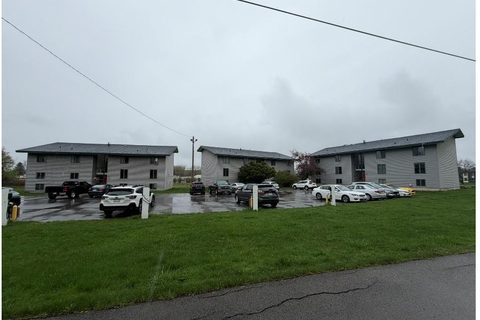
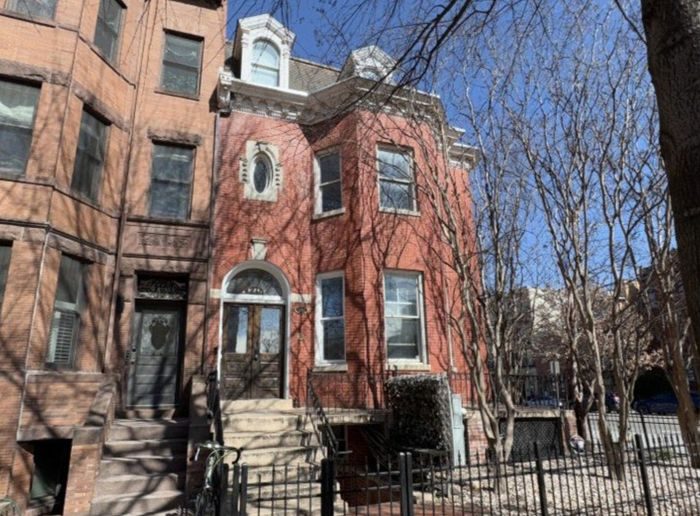
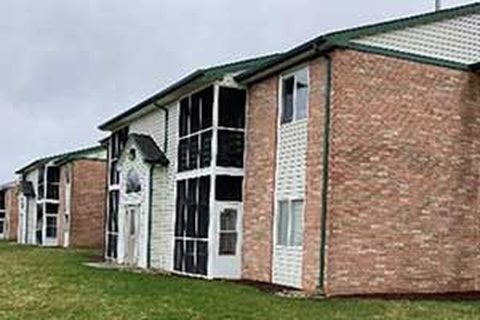
Recent Apartment Loan Closings
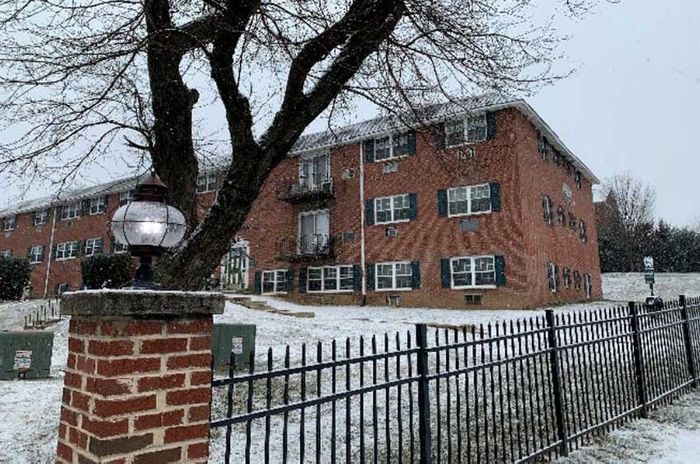
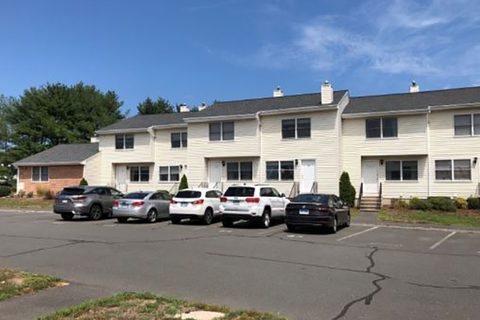
A sample of apartment and multifamily loans we have arranged for investors nationwide.
Other Property & Loan Types We Finance in Washington, D.C.
As a full-service commercial mortgage broker, we arrange Washington, D.C. financing across every major property and loan type:
We consider commercial loan requests of all sizes, beginning at $1,500,000.
What Our Clients Say
“I am a veterinarian who purchased an existing practice. I was surprised to find a company that offered 100% financing at a good rate, with great terms and rates for medical office financing.”
Carol K. · Chicago, IL“I spoke to several commercial lenders before finding Select Commercial. They got me a lower rate and their service was exceptional. If you need a multifamily loan, you need to talk to Stephen.”
Nathan B. · Philadelphia, PA“Select Commercial was very helpful with my multifamily mortgage. Stephen went over several options and we came up with the best lender to meet my needs. I got the funds and also lowered my payments.”
Gary M. · Portland, OR“Select Commercial offered 100% financing for my medical practice when my bank would have required 20% down. They delivered something my bank could not, and handled everything professionally.”
John C. · Boston, MAGet Your Washington, D.C. Apartment Loan Quote
No cost, no obligation. Written answers within 48 hours on Washington, D.C. apartment loans from $1,500,000.
- No application or processing fees
- Written answers within 48 hours
- For 5+ unit and commercial properties, $1.5M and up