
 Written & reviewed by Stephen A. Sobin, President of Select Commercial Funding LLC
Our Specialty
Apartment/Multifamily Loans
Apartment loans are mortgages for income-producing properties with five or more residential units. As a leading apartment lender, Select Commercial arranges apartment building loans under $6 million and large-balance multifamily over $6 million nationwide, helping investors purchase, refinance, or renovate apartment complexes and walk-up, garden-style, and mid-rise buildings, with rates as low as 5.80%, up to 80% LTV, terms to 30 years, and no upfront fees. To compare rates across every program, see today’s commercial mortgage rates.
Get a Free QuoteToday’s Apartment/Multifamily Loan Rates updated September 5, 2026
Apartment/multifamily loan rates start as low as 5.80% today (updated September 5, 2026). For the full schedule across every program, see today’s commercial mortgage rates.
| Loan Type | Rate* | Max LTV |
|---|---|---|
| 5 Year Fixed | 6.20% | Up to 80% |
| 7 Year Fixed | 6.28% | Up to 80% |
| 10 Year Fixed | 6.33% | Up to 80% |
| Loan Type | Rate* | Max LTV |
|---|---|---|
| 5 Year Fixed | 5.80% | Up to 75% |
| 7 Year Fixed | 5.88% | Up to 75% |
| 10 Year Fixed | 5.93% | Up to 75% |
Rates last updated September 5, 2026. Rates and maximum LTV shown represent our best-case pricing scenarios. Actual rates, LTV, and loan terms are subject to underwriting approval and may vary.
Get My Free Rate QuoteWhy Investors Choose Select Commercial
For more than 30 years, investors have trusted Select Commercial to structure apartment/multifamily and commercial mortgages with competitive terms and straight answers.
- Access to Fannie Mae, Freddie Mac, banks, life companies, credit unions, HUD and CMBS
- No upfront application or processing fees
- Written pre-approvals within 48 hours
- Loans from $1,500,000 nationwide
Apartment or Multifamily, What’s the Difference?
They finance the same asset: buildings with five or more residential units. In practice, “apartment loan” usually refers to financing under $6 million and “multifamily loan” to larger balances over $6 million. Select Commercial arranges both, through agency, bank, life-company, bridge and CMBS programs.
Multifamily Loans Over $6 Million
Beyond smaller apartment buildings, Select Commercial arranges large-balance multifamily financing for 5+ unit properties with loan amounts over $6 million. We place these through Fannie Mae Multifamily, Freddie Mac Multifamily, banks, life companies, bridge lenders, and CMBS programs. See our full multifamily loan programs or request a quote.
Why Investors Choose Us for Apartment Building Financing
Select Commercial is a nationwide commercial mortgage broker with over 30 years of experience arranging apartment loans and apartment building financing for properties starting at $1.5 million.
- Access to top apartment lenders: We work with Fannie Mae, Freddie Mac, national banks, credit unions, private capital providers, and insurance companies.
- Competitive apartment loan rates: We offer bank, credit unions, HUD, bridge, and other apartment loan programs tailored to your property and investment goals.
- Simplified process and fast closings: Our team handles underwriting, lender selection, and packaging to help streamline your financing.
- Nationwide coverage: Loans are available across the 48 continental states for 5+ unit apartment buildings, co-ops, and rental communities.
We oversee every part of the apartment building loan process, from screening and underwriting through closing, so you can stay focused on your property.
Our Apartment Loan Benefits
- Apartment/multifamily loan rates start as low as 5.80% (as of September 5, 2026)
- A commercial mortgage broker with over 30 years of lending experience
- No upfront application or processing fees
- Simplified application process
- Financing up to 80% LTV
- Terms and amortizations up to 30 years
- Long term fixed rates
- Loans for purchase and refinance, including cash-out
- 48 hour written pre-approvals with no cost and no obligation
Apartment Building Loans Starting at $1.5 Million
At Select Commercial, we specialize in apartment building and apartment complex loans with loan sizes starting at $1,500,000. Whether you are purchasing, refinancing, or looking to cash out, our apartment building loan programs are tailored for professional investors and property owners with five or more residential units. Our lending programs are ideal for:
- Apartment complexes with 5+ units in stable or growing markets
- Experienced landlords and real estate investors seeking competitive terms
- New acquisitions, refinances, or equity takeouts
- Apartment building financing for both stabilized and value-add properties
Agency Small Balance Apartment Loan Programs
Select Commercial connects borrowers with top-tier agency apartment loan options in addition to our network of private capital, banks, and credit unions.
- Fannie Mae® Small Loan Program: Designed for apartment buildings with 5 or more units. Loan sizes range from $2 million to $6 million.
- Freddie Mac® Small Balance Loan (SBL) Program: Streamlined underwriting for loans from $2 million to $10 million on stabilized multifamily properties.
- Loans Over $6 Million: For large-balance requests, explore our nationwide multifamily loan programs over $6 million.
These agency-backed options provide competitive fixed rates, non-recourse terms, and simplified documentation for qualified investors purchasing or refinancing apartment buildings.
Refinancing an Apartment Complex: Where Do You Start?
A call we get every week sounds something like this: “I refinanced my apartment complex ten years ago. The loan is coming due, and I am not sure where to start.” It is a fair question. If your last refinance closed in 2015 or 2016, the market you are walking back into looks different. Rates are higher than the number written on your current note, lenders look harder at real cash flow, and the document list has grown. The process itself has not changed much, though, and a prepared borrower can still close in 30 to 60 days.
Start with your payoff picture. Pull your most recent mortgage statement and confirm the maturity date, the prepayment terms, and whether the loan carries yield maintenance or a step-down penalty. Refinancing a few months early sometimes costs less than letting a balloon payment force your hand. Next, gather the property records: a current rent roll, a trailing 12 month operating statement, and the last two years of expenses. Every apartment refinance is sized against the building’s net operating income, so those documents drive everything else.
Then compare programs, not just lenders. A stabilized apartment complex with steady occupancy may qualify for agency financing with a long fixed rate and non-recourse terms. Older complexes with deferred maintenance, or a rent roll still in transition, are often better served by a bank or bridge loan, with a plan to refinance again once the property stabilizes. Cash-out refinancing is available under most programs when you have the equity, whether the proceeds fund repairs, the next acquisition, or a partner buyout.
This is the work we do every day. We review your payoff, underwrite your numbers the way a lender will, and bring back written options within 48 hours, with no fee and no obligation. Loan sizes start at $1,500,000. Check today’s commercial mortgage rates, or request a free quote and we will map the refinance out from where you stand right now.
Loan Programs We Use for Apartment/Multifamily Financing
Every apartment/multifamily loan we arrange is placed through one of these programs. Explore the options that fit your property and business plan:
Fannie Mae Multifamily
Agency loans with some of the lowest fixed rates for stabilized 5+ unit properties.
Freddie Mac Multifamily
Conventional and value-add agency execution for larger balances.
Freddie Mac SBL
Small Balance (SBL) program, from $2 million to $10 million.
FHA / HUD Multifamily
Long-term, fully amortizing, non-recourse financing.
CMBS Loans
Non-recourse conduit loans for stabilized apartment assets.
Bridge Loans
Short-term capital for acquisition, lease-up and repositioning.
How to Get an Apartment/Multifamily Loan
Apartment financing moves through a few clear phases. Knowing each one helps you close faster and avoid the common delays.
Organize Your Financials
Gather your trailing-12-month operating statement, year-to-date P&L, current rent roll, and occupancy history. Lenders size every loan against your actual net operating income (NOI).
Know Your Key Metrics
Lenders underwrite to three: debt-service-coverage ratio (DSCR), typically 1.20 to 1.25x; loan-to-value (LTV), generally 65% to 80%; and debt yield, NOI divided by loan amount.
Select the Right Program
Agency (Fannie/Freddie) for stabilized assets with long-term fixed rates; FHA/HUD for maximum leverage; bridge for value-add and lease-up; CMBS for non-recourse flexibility.
Application & Term Sheet
We submit your request with the property package, size the loan, and issue a term sheet outlining rate, leverage, fees, and structure, including prepayment terms.
Underwriting & Reports
Formal underwriting begins with an independent appraisal, Phase I environmental, and property condition assessment. Underwriters verify income, expenses, and leases.
Rate Lock & Close
Agency and CMBS loans allow a rate lock once approved. Most apartment/multifamily loans close in 30 to 60 days; FHA/HUD takes longer.
Multifamily Property Types We Finance
We arrange financing across the full range of 5+ unit residential assets:
Who We Finance
We work with apartment/multifamily borrowers of every structure, on properties from five units and up:
- Individual investors and joint ventures
- LLCs, LPs and partnerships
- Corporations and S-corps
- Trusts and estates
- Family offices
- Foreign nationals
Browse Apartment Loans by State
Select a state below to view apartment loan programs, market insights, and financing options available in that region.
Financing available across the 48 continental states for 5+ unit properties.
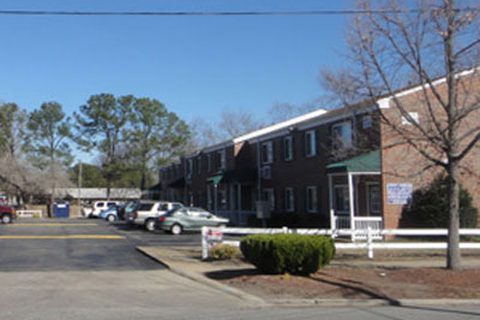
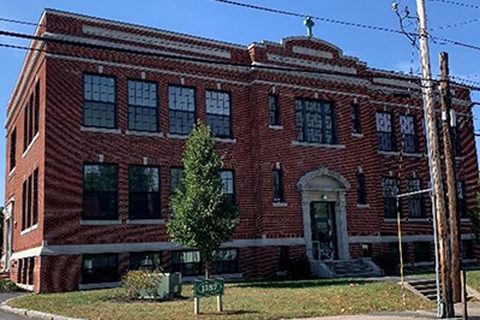
Recent Apartment/Multifamily Closings
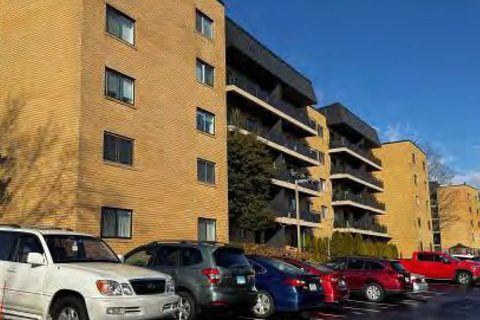
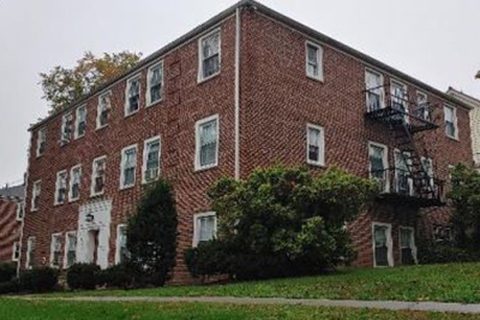
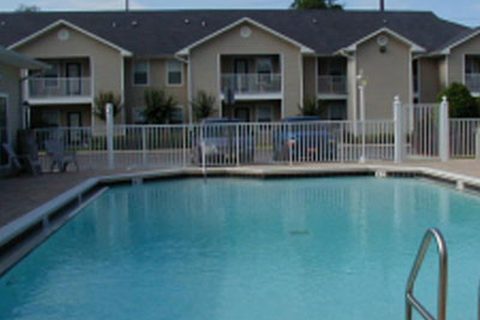
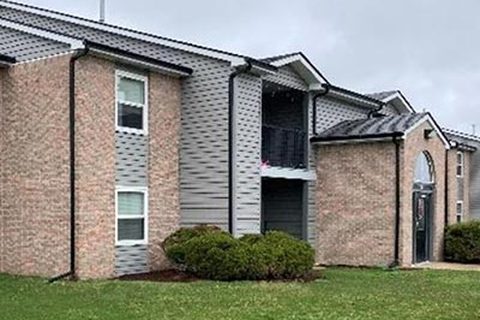
A sample of apartment/multifamily loans we have arranged for investors nationwide.
What Our Clients Say
“I spoke to several commercial lenders before finding Select Commercial. They got me a lower rate and their service was exceptional. If you need a multifamily loan, you need to talk to Stephen.”
Nathan B. · Philadelphia, PA“I found selectcommercial.com and saw they specialized in apartment building loans. In the end, they were by far the best company I have used. Next time I know who to call first.”
Jerry T. · Long Island, NY“Select Commercial was very helpful with my multifamily mortgage. Stephen went over several options and we came up with the best lender to meet my needs. I got the funds and also lowered my payments.”
Gary M. · Portland, OR“As a real estate attorney, I trust that Select Commercial will deliver apartment building loans and commercial mortgages in a timely manner. The rates and terms offered are excellent. I heartily recommend them.”
David S. · New York CityGet a Free Apartment/Multifamily Loan Quote
No cost, no obligation. Written answers within 48 hours on apartment/multifamily loans from $1,500,000.
- No application or processing fees
- Written answers within 48 hours
- For 5+ unit and commercial properties, $1.5M and up